
Choosing upholstery fabrics for home theater and media rooms is a slightly different challenge than picking something for a bright living room. You're dealing with low light, long hours of continuous sitting, minimal sun exposure, and the very real possibility that someone is eating nachos three feet from your sofa. This guide walks you through the right fabric choices for that environment, what specs actually matter, and how to avoid a costly mistake that only shows up after six months of Friday night movie marathons.
Why Home Theater Rooms Demand a Different Fabric Strategy
Most upholstery advice assumes natural light, moderate use, and a room that gets a good airing out. Home theaters flip all of that. The room is dark by design, ventilation is often limited, and the seating gets heavy, concentrated use in long sessions rather than the casual sit-and-go of a living room sofa.
Fabrics that look gorgeous in a showroom under bright lighting can read completely flat in a dark media room. Texture becomes more important than color when ambient light is low. A fabric with dimensional weave, like chenille or boucle, will catch what little light exists and keep the space feeling intentional rather than just dark.
Also, heat and body oils accumulate faster in enclosed, low-ventilation rooms. That means fabrics need to resist odor absorption and be genuinely easy to clean, not just technically wipeable. Solution-dyed fibers, tight weaves, and performance-grade fabrics are your friends here.
Photo by Marcus Monaghan on Unsplash
Step-by-Step Instructions
- Assess how your room actually gets used. Before you pick a single fabric, be honest about your household. Kids with snacks? Dogs who claim the end seat? Adults who fall asleep during the second act and stay put for three hours? High-traffic, high-contact use needs a fabric with a double rub count of at least 30,000. Double rub count is just the industry way of measuring how much friction a fabric can take before it starts to wear down. For reference, 15,000 double rubs is considered residential-grade. Heavy use pushes you toward 30,000 and above.
- Choose a fabric category that performs well in low light. In a dark room, matte and textured fabrics outperform shiny or flat ones visually. Velvet, chenille, and woven jacquard all have surface depth that reads well without relying on natural light. Faux leather and vinyl are also strong contenders because they wipe clean instantly and don't absorb odors. Avoid loosely woven or open-weave fabrics in this setting. They trap dust, snag easily, and don't hold their shape under extended pressure.
- Prioritize stain resistance and cleanability. In a media room, spills aren't a matter of if. Look for fabrics labeled as solution-dyed, which means the color is baked into the fiber rather than applied on top. Solution-dyed fibers resist staining at a fiber level, not just a surface coating. Performance fabrics treated with a moisture barrier, or fabrics made with olefin (also called polypropylene), are excellent picks because they repel liquids rather than absorbing them.
- Think carefully about color in a dark environment. Deep, saturated colors like navy, charcoal, forest green, and burgundy look incredible in home theaters and hide wear beautifully. Lighter colors, cream, white, and pale grey, show every smudge and tend to look dingy faster in rooms that don't get sun to naturally brighten them. If you love a lighter tone, go for a mid-tone grey or warm taupe with a performance finish rather than anything pale.
- Match fabric weight to your seating style. Theater-style recliners and deep sectionals put significant stress on seam points and armrests. A medium to heavyweight fabric, 12 ounces per yard and above, handles that stress better than a lightweight decorative fabric. Chenille, velvet, and faux leather all tend to run on the heavier side, which works in your favor here.
- Consider how the fabric handles heat and extended sitting. Long movie sessions mean your seating stays under body heat for two to three hours at a stretch. Natural fibers like cotton and linen breathe well but are more vulnerable to staining and wear. Blended fabrics, like a cotton-polyester or cotton-velvet blend, give you some breathability with improved durability. Faux leather and vinyl can feel warmer in extended use, so if your theater room runs hot, factor that in.
- Check the fabric's abrasion rating before you buy. The Martindale abrasion test is the European standard for measuring fabric durability. It works similarly to double rub count but uses a different testing method. A Martindale rating of 20,000 cycles is considered suitable for general residential use. For heavy-use home theater seating, aim for 25,000 cycles or higher. A fabric spec sheet will list one or both of these numbers. If a fabric doesn't have a published rating, that's worth noticing.
- Test your fabric sample under your actual room conditions. Always order a sample before committing. Take it into the theater room, close the blackout curtains, and look at it under the same lighting you'll actually use, whether that's dim LED strips, a projector glow, or sconce lighting. Colors and textures shift dramatically between a bright store and a dark media room. What looked like a rich charcoal might read almost black. What felt plush might look flat. This step takes ten minutes and saves you from a fabric choice you'll regret for years.
- Factor in the smell factor, seriously. Enclosed rooms with limited airflow can develop a stale, musty quality over time, especially if the fabric absorbs body oils and food odors. Performance fabrics with antimicrobial treatments help. Vinyl and faux leather are the easiest to keep odor-free because they don't absorb anything. If you prefer a soft textile, look for tightly woven options and plan to clean them on a regular schedule, not just when something spills.
- Match your fabric choice to your seating color story. Even in a dark room, the seating is a visual anchor. Velvet in deep jewel tones, a moody navy blue or rich plum, gives the space a cinematic feel. Chenille in charcoal or espresso reads as warm and textural without competing with the screen. Faux leather in black or dark brown leans into the classic theater aesthetic and is almost effortless to maintain. Pick one direction and commit to it rather than mixing too many textures in a small, dark space.
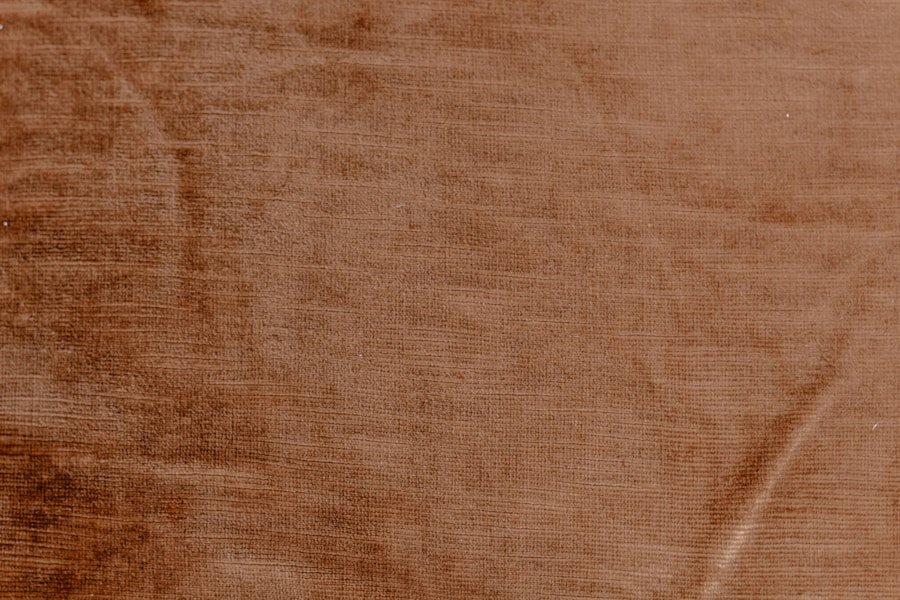
Photo by Sincerely Media on Unsplash
What Is the Best Upholstery Fabric for Home Theater Seating?
Velvet and performance chenille are the top choices for home theater upholstery when you want both durability and a polished look in a dark room. Both fabrics have surface texture that reads well in low light, resist pilling with a quality construction, and come in the deep, saturated colors that suit a dedicated media space.
Honestly, chenille is criminally underrated for this application. It's soft enough for long sitting sessions, durable enough for heavy use, and the looped pile construction gives it that dimensional quality that looks intentional under dim lighting. A quality chenille rated at 30,000 double rubs or more will outlast most decorative fabrics by years in a theater environment.
Velvet gets a bad rap for being high-maintenance, but a polyester or velvet-blend fabric is actually quite practical. Polyester velvet doesn't crush permanently, cleans up well with a damp cloth, and handles extended seating pressure better than many people expect. It's not the delicate antique velvet your grandmother warned you about.
For households with kids or pets, faux leather and vinyl make a strong case. Both have a surface that wipes clean in seconds, resist odor absorption, and look sharp in a dark, intentional media room setup. The tradeoff is warmth and breathability in long sessions, but a quality faux leather with a backing fabric manages that reasonably well.
Which Fabric Colors Work Best in a Low-Light Media Room?
Deep, rich colors work best in home theater rooms because they absorb light rather than reflect it, reducing glare and keeping the viewing environment focused on the screen. Navy blue, charcoal grey, deep green, and near-black tones all perform well aesthetically and practically.
From a practical standpoint, darker fabrics hide wear, fading, and minor soiling far better than light ones, and since home theater rooms get minimal sunlight, you don't have to worry about darker fabrics fading out. Sun is the main culprit behind fabric fading, and your blackout curtains are handling that for you.
Mid-tones like slate blue, warm brown, or burgundy are excellent middle-ground picks if you want the room to feel moody without going fully dark. These colors photograph beautifully if you're setting up a dual-purpose media and entertaining room, and they translate well whether the lights are up or down.
Tips and Troubleshooting
- Fabric pilling on chenille or velvet? This usually means the fabric has a lower pile density or is being subjected to friction from pet claws or abrasive clothing. Look for a fabric spec listing pile density or a higher double rub count to prevent this upfront.
- Faux leather cracking over time? This is almost always a quality issue, not a category problem. A quality faux leather with a polyurethane or PU top coat lasts significantly longer than a cheap PVC-based vinyl. Check the backing and top coat spec before buying.
- Dark fabric showing lint and pet hair constantly? This is the tradeoff with deep colors. A lint roller lives in our theater room for a reason. Tightly woven fabrics pick up less pet hair than looped or pile fabrics, so a smooth faux leather or tightly woven jacquard will be lower maintenance than a loose chenille in this regard.
- Room feels stuffy? If your theater room tends to run warm, skip faux leather and vinyl for the main seating and opt for a breathable performance fabric blend. Olefin-based fabrics breathe better than vinyl while still offering excellent stain resistance.
- Not sure which fabric to start with? Order samples of a deep navy velvet, a charcoal chenille, and a dark faux leather. View them in your actual room under your actual lighting. The right answer will be obvious.
Frequently Asked Questions
Q: What upholstery fabric is most durable for a home theater with kids and pets?
Faux leather and performance chenille are the most durable choices for home theater rooms with kids and pets. Faux leather wipes clean instantly and resists odors, while a high-quality chenille rated at 30,000 double rubs or more holds up to heavy daily use and is soft enough for long sitting sessions.
Q: Does fabric color matter in a home theater room with blackout curtains?
Yes. In a room with minimal natural light, deep colors like navy, charcoal, and forest green look intentional and rich, while lighter colors tend to look washed out or dingy under artificial and projector lighting. Darker fabrics also hide wear and minor soiling much better over time in an enclosed space.
Q: What double rub count do I need for home theater upholstery?
For home theater seating that gets heavy daily use, look for a minimum double rub count of 30,000. Double rub count measures how much friction a fabric withstands before showing wear. Standard residential fabrics start at 15,000, but the concentrated, long-duration use of a media room seating setup justifies the higher durability threshold.