
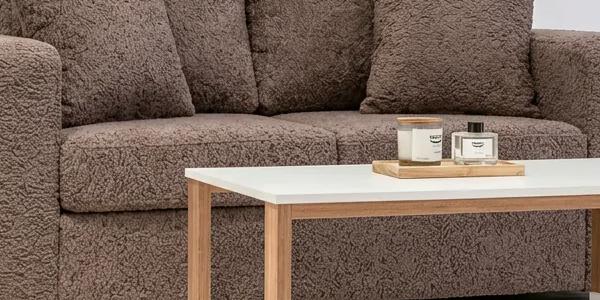
Choosing upholstery fabric for a nursery glider comes down to four things: it needs to be low-VOC and non-toxic, easy to wipe clean, soft against a baby's skin, and durable enough to survive years of late-night rocking. Get those four right and the rest, color, pattern, texture, is just personal taste. Get them wrong, and you'll be shopping for a new glider cover before your kid turns two.
Nursery gliders live a hard life. They get rocked nightly, sat in for hours at a stretch, and used as a landing pad for bottles, burp cloths, and the occasional blowout. The fabric covering that chair works harder than almost anything else in the house, harder than your sofa, honestly. So let's get into what actually matters when you're shopping for it.
What Makes a Fabric Safe for a Nursery?
A nursery-safe fabric is one that's been tested and certified free of harmful chemical residues, particularly formaldehyde, heavy metals, and volatile organic compounds (VOCs) that off-gas into the air your baby breathes. Look for an OEKO-TEX Standard 100 certification, which tests finished textiles for over 100 substances known to be harmful to human health.
Fabrics treated with heavy stain-resist chemical finishes or flame retardants can carry stronger VOC loads, especially right out of the factory. If you can, air out a new glider cover for a few days in a well-ventilated room before it goes into daily use. Solution-dyed fabrics tend to have fewer added chemical treatments than piece-dyed ones, since the color is baked into the fiber itself rather than sprayed on as a topical finish.
Expert tip: when a fabric listing doesn't mention any certification at all, that's usually your answer, it probably doesn't have one. Ask before you buy, not after.
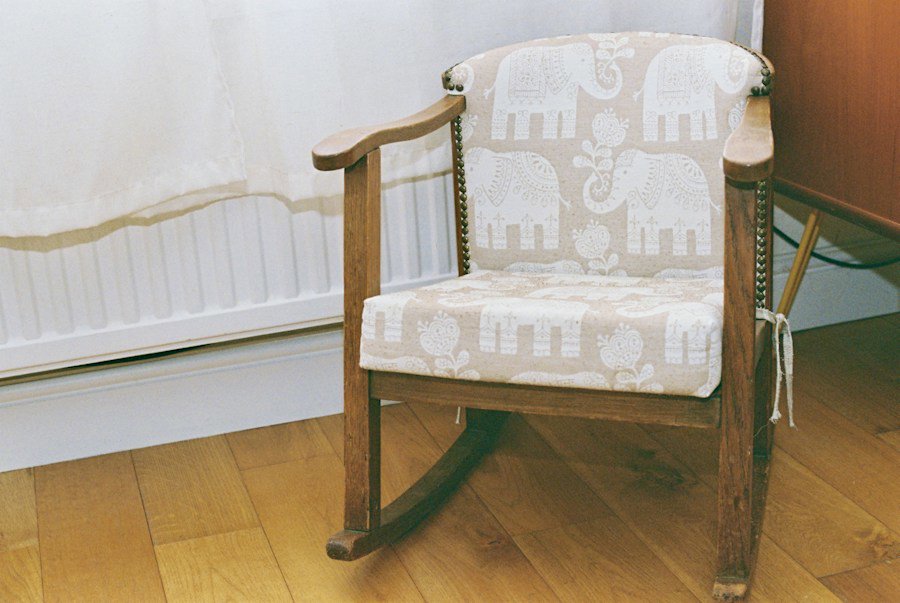
Photo by Barney Goodman on Unsplash
Why Easy-Wipe Performance Matters More Than You Think
Spit-up, formula, drool, and the occasional diaper mishap are not hypothetical risks in a nursery, they're a Tuesday. A fabric with a tight, performance-grade weave and a moisture-resistant finish lets you wipe up a mess with a damp cloth instead of scrubbing it into the fibers.
Synthetic performance fabrics, like polyester chenille or faux leather, generally outperform natural fibers here. Cotton and linen absorb liquid quickly, which means stains set faster if you're not right there with a cloth. Faux leather and vinyl wipe completely clean in seconds and don't stain at all, which is why they're popular for gliders in smaller nurseries where space (and patience for laundry) is limited.
If you love the look of a woven or chenille fabric, ask about a stain-repellent finish. Many performance chenilles today are treated to resist liquid absorption without changing the hand feel, so you get the coziness without the panic every time a bottle tips over.
What's the Best Upholstery Fabric for a Nursery Glider?
For most families, performance chenille or a soft-hand faux leather offers the best balance of comfort, cleanability, and durability for a nursery glider. Chenille gives you the cozy texture parents want for skin contact, while faux leather wins on pure wipeability.
Chenille fibers are looped and twisted to create a soft, slightly nubby surface that feels good against bare arms and legs, which matters a lot when you're holding a diaper-clad baby for forty-five minutes at 2am. It also tends to hide minor wear and light staining better than smooth, flat-weave fabrics, since the texture breaks up light reflection. Browse our chenille upholstery fabrics if you want something soft that still holds up to daily abuse.
If you'd rather skip fabric stains altogether, faux leather is worth a look too. It won't absorb liquids at all, and a quick wipe-down handles almost anything short of permanent marker.
Softness Against Bare Skin
Fiber content determines how a fabric feels, not just how it looks in photos. Natural and blended fibers like cotton and cotton-poly chenille tend to feel softer and cooler against skin than 100% synthetic weaves, which can trap heat during long feeding sessions.
Boucle is another underrated option here. Its looped, textured surface feels plush without being heavy, and it doesn't cling to skin the way some smooth polyesters do in warmer months. If breathability matters to you, our boucle upholstery fabrics collection is worth a browse, and pure cotton upholstery fabrics are another gentle, breathable option if you're prioritizing bare-skin comfort over stain resistance.
A quick honesty check: velvet feels incredible but sheds and crushes with heavy daily use in a way that's noticeable within a year on a glider's armrests. Save velvet for accent chairs that don't get rocked in nightly.
Durability for Years of Late-Night Feeding Sessions
Fabric durability is measured using the Wyzenbeek or Martindale abrasion test, which counts how many rubs a fabric withstands before visible wear appears. Fabric rated above 15,000 double rubs on the Wyzenbeek scale is considered suitable for heavy residential use, and a nursery glider, which sees years of nightly, repetitive rocking motion, benefits from a rating closer to 30,000 double rubs or higher.
Solution-dyed acrylic and polyester chenille blends often test in the 50,000 to 100,000 double rub range, making them some of the longest-lasting options available for high-use furniture. That's the kind of number worth asking about before you commit to a fabric, especially if you're planning to use the same glider for a second or third child.
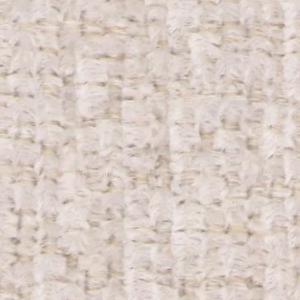
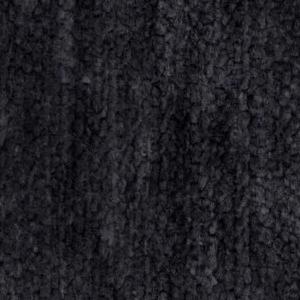
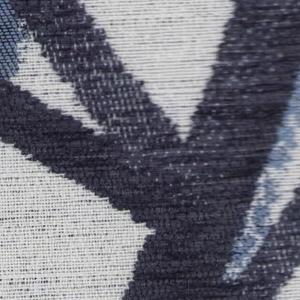
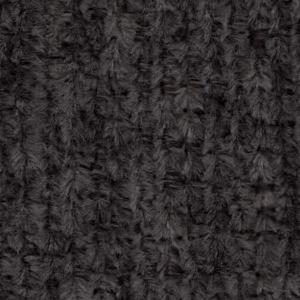
Grey and cream tones are especially popular in nurseries right now because they hide dust, pet hair, and light staining better than pure white while still feeling calm and gender-neutral. Our cream chenille upholstery fabric and grey velvet upholstery fabric collections are two of our most requested options for gliders and rockers this season, mixing softness with a forgiving color palette.
Color and Pattern Choices That Actually Hide Stains
Mid-tone solids and subtle textures camouflage everyday mess far better than bright white or jet black. White shows every formula drip, and black shows every bit of lint and dust, ironically the two "safe neutral" choices people default to most often.
Heathered greys, warm beiges, and soft sage greens hit the sweet spot: neutral enough to match a changing table and crib, but busy enough in texture to disguise small stains between cleanings. If you're leaning into this fall's warmer, cozier nursery palettes, a textured woven or chenille in a muted earth tone does double duty as both stylish and practical.
A Quick Nursery Fabric Checklist
- Certification: Look for OEKO-TEX Standard 100 or a similar low-VOC certification before buying.
- Cleanability: Choose a tight weave, performance finish, or faux leather for spot-cleaning ease.
- Hand feel: Test the fabric against your own skin, not just your fingertips, before deciding.
- Durability rating: Aim for 15,000+ double rubs minimum, 30,000+ if you can find it.
- Color: Mid-tone solids or subtle textures hide stains better than pure white or black.
Frequently Asked Questions
Q: Is chenille or velvet better for a nursery glider?
Chenille is generally the better choice for a nursery glider because it resists crushing and matting better than velvet with daily, repetitive use, while still offering a soft, comfortable surface for skin contact.
Q: What double rub count should nursery glider fabric have?
Nursery glider fabric should have a Wyzenbeek rating of at least 15,000 double rubs, with 30,000 or higher recommended for chairs that will see years of nightly, heavy use.
Q: Can I use regular upholstery fabric on a nursery glider, or does it need to be baby-specific?
You don't need a fabric labeled specifically for nurseries. Any performance-grade upholstery fabric with an OEKO-TEX certification, a high double rub count, and an easy-clean finish will work well on a nursery glider.