
Choosing Upholstery Fabric for Outdoor Furniture This Summer
If you've ever pulled your patio cushions out of storage in June only to find they've faded to a sad, washed-out version of their former selves, you already know the stakes. Choosing upholstery fabric for outdoor furniture isn't just about picking a pretty color. It's about finding something that can hold its own against UV rays, humidity, the occasional spilled lemonade, and whatever your kids or pets decide to put it through. The good news is that summer 2025 color trends are genuinely beautiful, and several of them translate incredibly well to high-performance outdoor fabrics. You really can have both.
The key is understanding which fabric constructions are actually built for the outdoors, which colors stay truest under intense sunlight, and how seasonal trends can guide you toward choices you'll still love in late August. Let's get practical about all three.
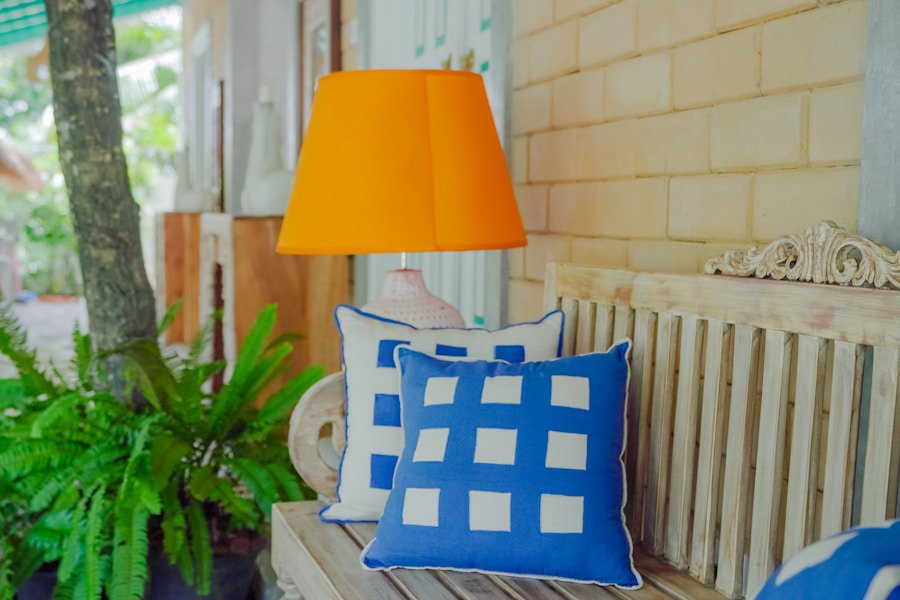
Photo by sidath vimukthi on Unsplash
Why Fabric Construction Matters More Than You Think Outside
Solution-dyed acrylic is the gold standard for outdoor upholstery fabric. The color in solution-dyed acrylic is added at the fiber level during manufacturing, before the fiber is even spun into yarn. This means UV rays can't strip the color out the way they do with surface-dyed fabrics, which is why solution-dyed acrylics retain up to 95% of their color after 2,000 hours of UV exposure in standardized testing. That's a genuinely significant difference compared to standard polyester or cotton blends, which can show visible fading after a single summer season.
Double rub count is another number worth knowing. It measures how many back-and-forth rubs a fabric can withstand before it starts to show wear, using a standardized machine test. For outdoor use, you want a minimum of 30,000 double rubs. Fabrics rated at 50,000 or higher are even better, especially for high-traffic seating like dining chairs or a well-used sectional. The Martindale abrasion test is a similar European standard that measures the same thing differently, so if you see a Martindale rating, 20,000 cycles is a reasonable floor for outdoor upholstery.
Beyond acrylic, solution-dyed polyester and vinyl are both solid outdoor performers. Vinyl is essentially weatherproof and cleans up in seconds, which makes it a practical choice for families. It doesn't breathe as well as fabric, so it can feel warm in direct sun, but for a covered porch or shaded seating area it's hard to argue with the durability. Woven fabrics in synthetic blends tend to hold their structure better outdoors than knits, and tight weave constructions resist mildew more effectively by leaving fewer pockets where moisture can sit and linger.
What Are the Best Summer Colors for Outdoor Upholstery Fabric?
The best summer colors for outdoor upholstery fabric are bright whites, soft pastels, and deep jewel tones, because these shades translate well into solution-dyed constructions that resist UV fading while aligning with the dominant home decor trends of the season. Here's how each color family plays out in real life.
Bright White and Crisp Cream
White outdoor fabric is having a serious moment right now, and honestly it makes sense. A bright white or soft cream cushion against dark rattan or black powder-coated metal furniture is one of the cleanest, most timeless outdoor looks you can pull off. The concern most people have is obvious: won't it get filthy immediately? With the right fabric, not necessarily. Solution-dyed acrylics in white and cream resist staining more than their appearance suggests, and most are treated with a fluorocarbon finish that causes liquids to bead on the surface rather than absorb. Spot cleaning with mild soap and water handles most summer messes easily.
Cream and warm white also happen to be among the most UV-stable colors in solution-dyed acrylic, because the absence of added pigment means there's less color to lose. If you want a serene, resort-style outdoor space this summer, white and cream upholstery fabric is a genuinely smart choice.
Pastels: Soft Blues, Lavenders, and Sage Greens
Pastel tones are everywhere in interior and outdoor design this summer. Soft powder blue, dusty lavender, and muted sage green are showing up on everything from throw pillows to full sectional reupholstery jobs. These colors read as calm and airy outdoors, which is exactly the energy most people want from a summer patio. They also pair well with natural materials like teak, wicker, and stone, which are perennial outdoor furniture staples.
Here's the practical consideration: lighter pastel pigments in lower-quality fabrics can be among the first to shift under UV exposure, going from a fresh sage to a yellowish, bleached-out tone. This is another reason to prioritize solution-dyed construction. In a properly made solution-dyed fabric, pastel blues and greens maintain their tone significantly better than surface-dyed equivalents. When shopping, look specifically for language like "solution-dyed," "fade-resistant," or "outdoor-rated" on the product listing. If those terms aren't present, assume the fabric isn't designed for direct sun.
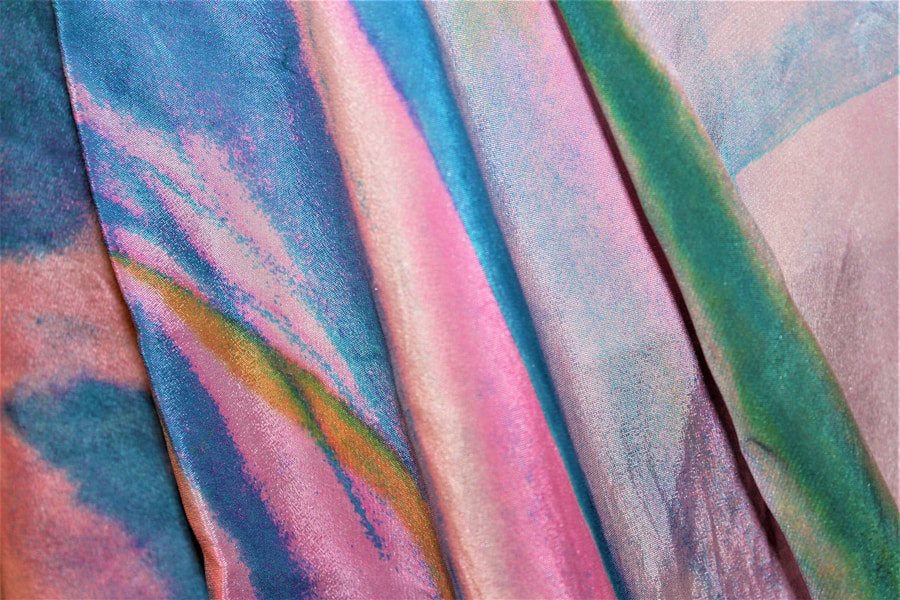
Photo by Siora Photography on Unsplash
Jewel Tones: Deep Blues, Emerald Green, and Rich Coral
Jewel tones are the bold play this summer, and they're landing beautifully in outdoor spaces. Deep sapphire blue, emerald green, and warm coral are all trending in home decor right now, and they translate particularly well to outdoor upholstery because saturated, deeper pigments tend to hold their vibrancy longer than mid-range tones. A deep navy or forest green cushion that fades slightly still reads as an intentional, rich color. A mid-tone dusty rose that fades the same amount can start to look tired.
Jewel tones also do something practical for summer comfort: darker colors absorb more heat, which can make seating warm in full direct sun. If your outdoor space gets intense afternoon sun, consider jewel-toned fabric for accent pieces and shade-protected seating rather than chairs sitting fully exposed. For shaded patios, pergolas, or covered porches, jewel tones are an ideal choice with no thermal trade-off.
How to Match Color Trends to Your Existing Outdoor Space
Trending colors only work if they actually fit what you've already got outside. Before you buy, look at your furniture frames, any existing planters or outdoor rugs, and the exterior of your home. A warm-toned brick house tends to love cream, coral, and earthy greens. A cooler gray or white exterior can handle bolder jewel tones and crisp whites without clashing.
A few practical pairing ideas for this summer:
- White or cream fabric pairs well with dark wicker, black metal frames, or natural teak. It reads as clean and intentional rather than plain.
- Sage green or dusty blue works beautifully with light-toned wood furniture and terracotta pots. Very much the relaxed European garden aesthetic that's trending hard right now.
- Deep jewel tones like navy or emerald anchor well against gray or dark brown furniture frames. Add an outdoor throw pillow in a complementary pastel and you've got a genuinely layered, well-styled space.
- Coral and warm orange accents bring energy to neutral furniture setups and pick up sunset light in a way that few other colors manage. Even a single coral cushion on a beige or white outdoor sofa feels like a deliberate design decision.
Also, don't feel locked into a single color for every cushion. Mixing a solid solution-dyed base fabric with a patterned or multi-colored accent fabric is a practical approach that lets you refresh the look by swapping out smaller pieces without reupholstering everything.
What Fabric Types Hold Up Best for Outdoor Upholstery?
The most durable outdoor upholstery fabrics are solution-dyed acrylics and outdoor-rated vinyl, with solution-dyed polyester blends as a close third. Each material has a specific use-case strength.
- Solution-dyed acrylic: Best all-around choice for outdoor fabric upholstery. UV-resistant, mold and mildew resistant, colorfast, and available in a wide range of summer-appropriate colors. Rated for outdoor use in direct sun. Minimum recommended double rub count for seating: 30,000.
- Outdoor vinyl: Best for high-mess situations, boat seating, or covered outdoor areas. Completely waterproof, easy to wipe clean, and available in solid colors. Can feel warm in direct sun and may crack over time in extreme cold if not properly cared for.
- Solution-dyed polyester: A cost-effective alternative to acrylic with good UV resistance. Slightly less breathable than acrylic but widely available and often more affordable. Look for polyester fabrics with a tight weave and an outdoor-specific finish.
- Linen and cotton blends: Not recommended for direct outdoor use. These natural fibers absorb moisture, encourage mildew growth, and are not UV-stable. Save them for indoor upholstery where they genuinely shine.
One more thing: if you're buying fabric by the yard to reupholster cushions yourself, check whether the fabric is meant for flat-cut cushions or if it has enough stretch for wrapped foam applications. Tightly woven outdoor fabrics often have minimal give, which affects how cleanly the fabric wraps around cushion corners.
Frequently Asked Questions
Q: What is the most UV-resistant upholstery fabric for outdoor furniture?Solution-dyed acrylic is the most UV-resistant upholstery fabric for outdoor use. Because the color is integrated at the fiber level during manufacturing, it resists fading significantly better than surface-dyed fabrics, retaining up to 95% of its color after 2,000 hours of UV exposure in standardized testing.
Q: What summer colors are trending for outdoor upholstery fabric in 2025?The top trending colors for outdoor upholstery fabric in summer 2025 are bright white, soft cream, sage green, powder blue, dusty lavender, and deep jewel tones like navy, emerald, and coral. These hues align with broader home decor color trends and translate well into fade-resistant outdoor fabric constructions.
Q: Can I use indoor upholstery fabric like velvet or linen on outdoor furniture?No, standard indoor upholstery fabrics like velvet, linen, and untreated cotton are not suitable for outdoor use. They absorb moisture, are prone to mildew, and are not UV-stable, meaning they'll fade quickly in direct sunlight. Outdoor furniture requires fabric specifically rated for UV and moisture resistance, such as solution-dyed acrylic or outdoor-grade vinyl.