
If your sofa has spent a few summers sitting near a sunny window, chances are it's showing it. Faded patches, bleached-out cushions, and that sad, washed-out look that no amount of throw pillows can fix. Choosing the right upholstery fabric for sun-damaged furniture means more than just picking a new color. It means selecting a material that's built to handle UV exposure, restore the look you loved, and stay vibrant season after season. This post walks you through spotting the damage, replacing your fabric with something smarter, and protecting what you've got going forward.
How to Spot Sun Damage on Upholstery Before It Gets Worse
Sun damage on upholstery is often gradual enough that you stop noticing it, until a friend sits down and asks when you got a new couch. Fading happens because UV rays break down the dye molecules in fabric fibers over time. The areas closest to windows or glass doors take the hardest hit, which is why you'll often see a sofa that's bright on the back cushions but washed out on the seat and arms.
Here's what to look for. Uneven color across the same piece of furniture is a dead giveaway. Pull a cushion away from its usual spot and compare it to the surrounding fabric. If there's a visible difference, UV has been doing its work. You might also notice the fabric feels slightly stiff or brittle in the most-exposed areas. That's fiber degradation, and it means the material itself is weakening, not just changing color. At that point, a fresh coat of fabric spray won't cut it. You need a replacement.
What Are the Best UV-Resistant Upholstery Fabrics?
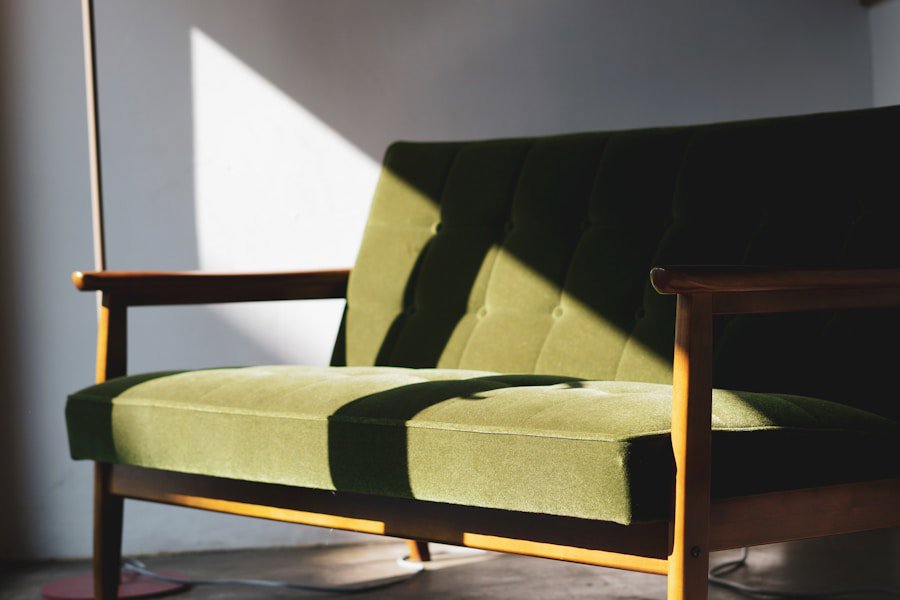
Solution-dyed acrylic is the single most fade-resistant upholstery fabric available for home use. In solution-dyed fabrics, the color is added to the fiber itself during manufacturing, not applied to the surface afterward, so there's nothing for UV rays to strip away. Brands like Sunbrella use this process and advertise fade resistance for up to 1,000 hours of direct sunlight exposure, which is a genuinely meaningful number when you're talking about a south-facing living room.
That said, you don't have to go full outdoor-furniture fabric to get decent UV protection indoors. Several indoor upholstery options hold up well in bright rooms. Here's how the main contenders break down:
- Solution-dyed acrylic: The gold standard for fade resistance. Originally developed for outdoor use, increasingly available in softer, more home-friendly textures. Cleanable, durable, and available in a wide range of colors.
- Vinyl and faux leather: Pigment is built into the material, so surface fading is minimal. Vinyl also has a double rub count (a measure of how many back-and-forth rubs a fabric can take before showing wear) that often exceeds 100,000, making it one of the toughest options on the market. It's not everyone's first aesthetic choice, but it's seriously underestimated for high-light rooms.
- Polyester-blended fabrics: Polyester fibers resist fading better than natural fibers like cotton or linen. A fabric that's 50% or more polyester will outlast a pure cotton piece in a sunny room by a significant margin.
- Velvet (solution-dyed or synthetic): Velvet gets a bad rap for being fussy, but a synthetic velvet made with solution-dyed fibers can actually be a solid choice. It's rich, it photographs well, and modern versions clean up easier than you'd think.
- Chenille: Honestly, chenille is criminally underrated for sun-adjacent rooms. It's soft, durable, and the looped pile construction means it shows less surface fading than flat-woven fabrics. Look for chenille blends with polyester content for the best fade resistance.
Natural fibers like linen and cotton are beautiful, but they're the most vulnerable to UV damage. If you love the look of linen, opt for a linen-blend with synthetic content, or plan to use window treatments as your main line of defense.
Step-by-Step Instructions
- Assess the full extent of the damage. Before you buy anything, do a thorough inspection of every sun-exposed piece in the room. Check the back of cushions, the undersides of arms, and any fabric that's been shaded. This comparison tells you how much fading has actually occurred and helps you understand the intensity of light that space gets. High-contrast fade difference means very intense UV exposure, and that should drive your fabric choice toward the most protective options.
- Identify the original color family. Sun damage doesn't just fade fabric, it often shifts it. Blues can turn greenish, reds can go orange or pink, and deep jewel tones can wash out entirely. If you're trying to match your original color, look at the least-exposed areas of your furniture, like the back panel or the underside of a cushion, for the truest original shade. Bring a fabric swatch or a photo of that area when you're shopping.
- Choose a fabric rated for your light exposure level. If your room gets direct sunlight for more than four hours a day, prioritize solution-dyed acrylic or high-polyester blends. For rooms with moderate indirect light, a quality polyester velvet or chenille blend will serve you well. Check for fade-resistance ratings on product listings. A Martindale abrasion test rating of 25,000 or higher is a good baseline for durability in a busy household. (The Martindale test measures how many rub cycles a fabric survives before showing wear, so higher is always better.)
- Order samples before committing. Colors look different on a screen than they do in your actual room under your actual lighting. Order fabric samples, ideally at least four inches square, and hold them up in the space at different times of day. Noon light and evening lamp light can make the same fabric look like two completely different products.
- Calculate your yardage accurately. Measure your furniture carefully before ordering. For a standard three-seat sofa, you'll typically need between 12 and 15 yards of fabric depending on the style and whether the fabric has a pattern repeat that needs matching. Pattern-matched fabrics require more yardage to align properly at seams. When in doubt, order slightly more than you think you need. Running short mid-project is a headache nobody wants.
- Remove the old fabric carefully. Use a seam ripper and work slowly, especially on corners and curves. Keep the old pieces intact if possible. They become your templates for cutting the new fabric, which saves time and reduces waste significantly.
- Apply a UV-protective fabric treatment to your new upholstery. Products like 303 Fabric Guard or Scotchgard UV Protector add a layer of UV resistance and stain repellency to fabric that doesn't already have it built in. These sprays won't turn a cotton fabric into an acrylic, but they do extend the life of your upholstery noticeably, especially in bright rooms. Reapply once or twice a year depending on the product instructions.
- Install window treatments to block UV at the source. UV-filtering window film applied directly to glass can block up to 99% of UV rays without significantly reducing visible light. Solar shades and blackout curtains are also effective. The most sun-resistant fabric in the world will last longer if you reduce its UV load. This is the most cost-effective preventative step you can take.
- Rotate your cushions and furniture seasonally. This sounds almost too simple, but it works. Rotating cushions so that different sides face the light evens out wear and fading over time. If your furniture layout allows it, shifting the sofa a few feet away from the window during peak summer months makes a real difference.
- Establish a cleaning routine appropriate to your new fabric. Dust and grime act like sandpaper on upholstery fibers and accelerate wear. Vacuum upholstered surfaces weekly using a brush attachment, and spot-clean spills immediately. For solution-dyed acrylics, a mild soap and water solution handles most stains. For velvet and chenille, check the care tag before applying any moisture.
Photo by Emmanuel Boldo on Unsplash
Quick Tips for Keeping Your New Upholstery Looking Great All Summer
A few practical things worth keeping in mind once your new fabric is in place:
- Dark colors absorb more heat near windows and can feel uncomfortable to sit on in summer. If your room runs warm, consider mid-tones or lighter colors that reflect rather than absorb heat.
- Outdoor fabrics are no longer the rough, plasticky materials they used to be. Many solution-dyed acrylics now come in textures that feel genuinely soft and look completely at home in an interior setting. Don't write them off because of old associations.
- If you have kids or pets, a double rub count of at least 30,000 is a reasonable target for a frequently-used piece. For a decorative accent chair that sees light use, 15,000 is fine.
- Blue and red pigments are historically the most vulnerable to UV degradation. If you love a bold navy or a deep crimson sofa, prioritize solution-dyed construction in those colors specifically.
- Boucle is having a major moment in home decor right now and it's a fun texture, but the loopy surface does trap debris and pet hair. If UV resistance is your priority and you have a dog, a tighter-woven fabric might serve you better day-to-day.
Frequently Asked Questions
Q: What is the most fade-resistant upholstery fabric for a sunny room?Solution-dyed acrylic is the most fade-resistant upholstery fabric available for home use. Because the color is embedded into the fiber during manufacturing rather than applied to the surface, UV rays have nothing to strip away, making it significantly more durable in direct sunlight than cotton, linen, or standard polyester blends.
Q: Can I treat existing upholstery fabric to make it more UV resistant?Yes. UV-protective fabric sprays like 303 Fabric Guard can add a meaningful layer of protection to existing upholstery. They won't restore already-faded color, but they do slow future degradation. For best results, apply after cleaning the fabric and reapply once or twice per year.
Q: How do I match upholstery fabric to a sun-faded color I'm trying to restore?Compare your faded fabric to the least-exposed area of the same piece, such as the back panel or underside of a cushion, to find the original color. Use that area as your reference when ordering fabric samples, and always view samples in your actual room under both natural and artificial light before placing a full order.