
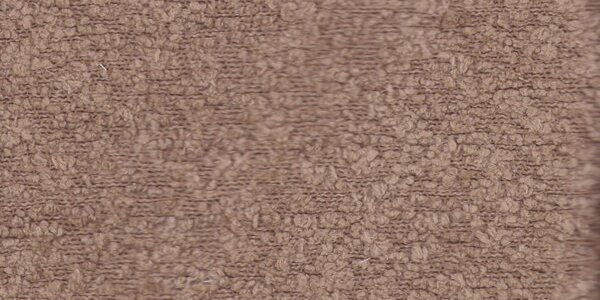
If you've got a sunroom or three-season room, you already know it's one of the best spots in the house. It's bright, it's airy, and in the summer it feels like living inside a ray of sunshine. The problem? That sunshine, combined with the heat, the humidity swings, and the temperature drops in early fall, is absolutely punishing on fabric. Choosing the right upholstery fabric for sunrooms and three-season rooms isn't the same decision you'd make for a living room sofa. This guide walks you through the specific challenges these spaces create, the fabrics that handle them well, and the ones you should leave for the bedroom.
Why Sunrooms Are So Hard on Upholstery Fabric
Most upholstery fabrics are designed for controlled indoor environments. A sunroom is not that. Even a well-insulated sunroom can swing 30 to 40 degrees Fahrenheit between a July afternoon and an October morning. Three-season rooms with unheated glass panels can push that range even further. That thermal cycling causes fibers to expand and contract repeatedly, which weakens them over time, fades dyes, and breaks down any foam or batting underneath.
UV exposure is the other major factor. Standard indoor fabrics are not treated to resist ultraviolet light. Direct sun through glass can fade an untreated fabric in as little as one summer season. Add high humidity in spring and early fall, and you also create conditions where mold and mildew can take hold in porous natural fibers if airflow is poor.
Here's the thing: you don't necessarily need full outdoor-grade fabric, which tends to look stiff and utilitarian. You need fabric that sits in the middle, durable enough to handle the conditions, but attractive enough to feel like a real interior space. That's a specific target, and hitting it is totally doable.
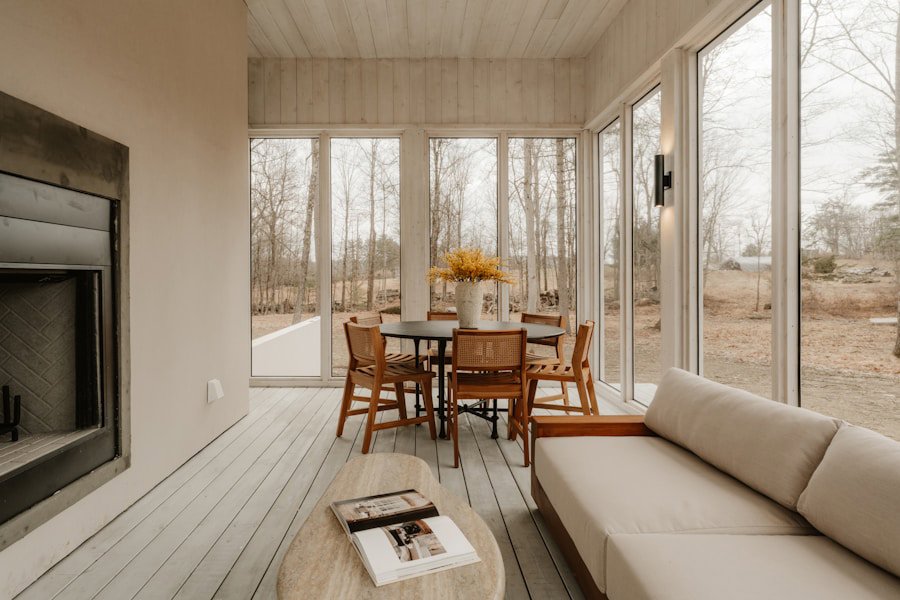
Photo by Clay Banks on Unsplash
Step-by-Step Instructions for Choosing the Right Sunroom Upholstery Fabric
- Assess your room's actual conditions. Before you buy anything, spend a few minutes thinking about what your sunroom really experiences. Does it get direct sun for more than four hours a day? Does it stay heated in winter or does it drop below 50 degrees? Is it enclosed glass or open-screened in summer? The more extreme the conditions, the more performance-focused your fabric choice needs to be. A lightly shaded three-season porch with a ceiling fan is a very different environment than a south-facing all-glass room in a humid climate.
- Prioritize fade resistance above everything else. Fade resistance is the single most important property for sunroom upholstery. The best fabrics for UV resistance are solution-dyed acrylics. Solution-dyed means the color is baked into the fiber itself during manufacturing, not applied to the surface afterward. Because the pigment runs all the way through the fiber, UV light has nowhere to attack. A solution-dyed acrylic fabric can retain color after 2,000 or more hours of UV exposure in standardized testing, compared to surface-dyed fabrics that may show visible fading in 200 to 400 hours. If a fabric listing doesn't mention solution-dyed construction, assume it isn't.
- Look for moisture and mildew resistance. Humidity is a slow, quiet destroyer of upholstery. In a sunroom that isn't climate-controlled year-round, humidity levels can fluctuate dramatically, and fabrics that absorb moisture, like cotton, linen, and some wovens, can trap that moisture and develop mildew deep in the cushion fill. Look for fabrics that are either inherently moisture-resistant or have been treated with a mildew-inhibiting finish. Polyester-based fabrics and vinyl upholstery handle moisture well. Faux leather and vinyl are essentially non-porous, which makes them excellent choices in high-humidity situations, though they can feel warm in direct summer heat.
- Check the double rub count, and understand what it means. A double rub count measures abrasion resistance. One "double rub" is one back-and-forth motion across the fabric surface, simulating everyday use. For a heavily used sunroom sofa or chair, you want a minimum of 30,000 double rubs. Fabrics rated at 50,000 or higher are genuinely tough. This number matters more in a sunroom than a bedroom because temperature fluctuations make fibers more brittle over time, which compounds wear. A fabric that would last ten years in a living room might last four or five in a thermally stressed environment.
- Choose fiber types that can handle the stress. Polyester and polyester-blend fabrics are the workhorses for this application. They resist fading, dry quickly, and don't shrink or stretch from thermal cycling the way natural fibers can. Olefin (also called polypropylene) is another excellent choice. It's naturally solution-dyed in most cases, very lightweight, and inherently mold and mildew resistant. Vinyl and faux leather rate extremely high for moisture resistance and are easy to wipe clean, which is a real bonus if kids or pets use the space. If you're drawn to a more natural look, look for fabrics that blend natural fibers with performance synthetics, such as a linen-polyester blend, which gives you the visual warmth of linen with meaningfully better durability.
- Think carefully about color and pattern selection. Lighter colors tend to show less fading because there's less contrast to lose. That said, a solution-dyed fabric in a deep color will outperform a surface-dyed light color every time. In terms of current trends, earthy tones like warm greens, sandy neutrals, and soft blues are extremely popular for sunroom interiors right now, and they photograph beautifully against natural light. Patterns and textures can also help mask any minor, gradual fading that occurs over years of exposure. A solid pale linen shows a fade line clearly. A multi-colored woven or a subtle stripe is far more forgiving.
- Consider how easy the fabric is to clean. Sunrooms attract everything: pollen, dirt tracked in from outside, food from al fresco meals that technically happened indoors. A fabric that can be spot-cleaned with mild soap and water is a practical necessity. Fabrics with tight weaves and smooth surfaces clean up much more easily than heavily textured ones where debris can settle in. Faux leather and vinyl wipe down in seconds. Solution-dyed acrylics clean up well with diluted soap. Velvet and chenille, as much as we love them, are genuinely harder to keep clean in this environment and are better suited to rooms with more controlled conditions.
- Avoid fabric types that won't survive the conditions. Some fabrics are simply the wrong tool for this job. Pure cotton and pure linen absorb moisture, fade relatively quickly without UV treatment, and are prone to mildew in humid conditions. Silk is a non-starter. Standard velvet fades unevenly and does not respond well to moisture. Even some synthetic velvets can develop water marks and texture changes from repeated humidity exposure. Heavily embroidered or jacquard fabrics with raised designs can trap moisture in the texture layers. Save these beautiful fabrics for interior rooms where they'll actually last.
- Test before you commit, if possible. If you're ordering samples, put them to work. Tape a small swatch to a window in your sunroom for two to four weeks before placing a full order. If you see any color shift, visible fading, or texture change in that short period, the fabric won't hold up long-term. A fabric that passes a casual real-world sample test gives you meaningful confidence that a spec sheet alone can't provide.
- Plan for how you'll store or protect cushions seasonally. Even the best performance fabric benefits from a little care at the end of the season. Storing removable cushions indoors through winter extends their life significantly. If your furniture has fixed upholstery, a breathable furniture cover during the coldest or rainiest months adds meaningful protection. This isn't a sign that you chose the wrong fabric. It's just smart maintenance that keeps good fabric looking great for years longer.
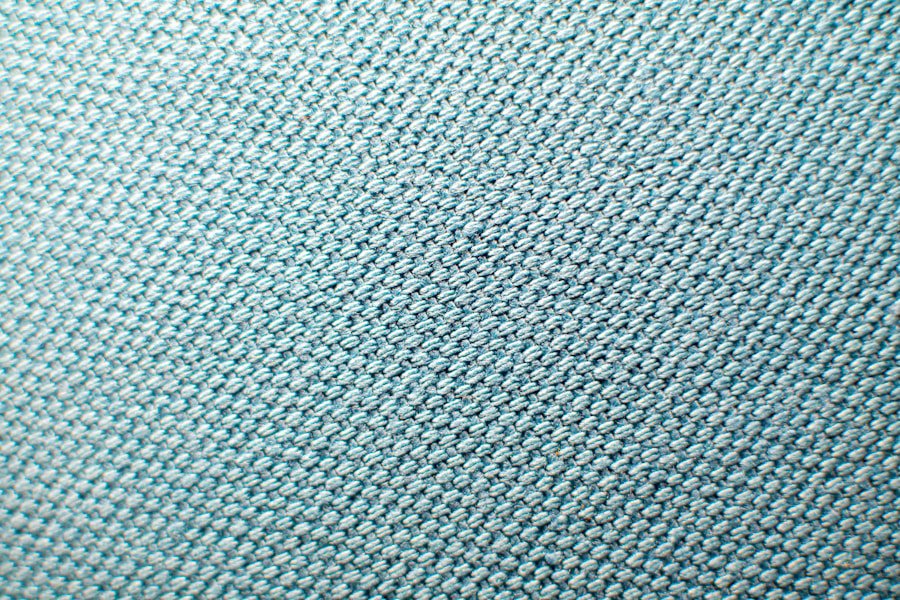
Photo by Marcus Urbenz on Unsplash
What Are the Best Upholstery Fabrics for Sunrooms Specifically?
Solution-dyed acrylic, olefin, performance polyester, faux leather, and vinyl are the top performers for sunroom upholstery. Each handles UV exposure, temperature fluctuation, and moisture better than natural-fiber alternatives.
For homeowners who want a softer, more interior-looking aesthetic, performance polyester fabrics have come a long way. Many of them now mimic the look of linen, cotton, and even velvet very convincingly, while offering dramatically better resistance to the conditions a sunroom creates. A tightly woven performance fabric in a warm neutral or botanical green can look genuinely beautiful in a light-filled three-season room without sacrificing the durability you need.
Faux leather deserves a specific mention here. It handles sun and moisture exceptionally well, and modern faux leather upholstery has improved significantly in texture and appearance. It does absorb heat in direct sun, so it's better suited to rooms that get filtered or indirect light, or where furniture is positioned away from the sunniest windows. For a sunroom where kids and pets are part of the picture, faux leather is honestly one of the most practical choices you can make.
What Fabric Should You Avoid in a Three-Season Room?
Avoid pure cotton, pure linen, silk, and standard velvet in three-season rooms. These fabrics absorb moisture, fade quickly in UV exposure, and are prone to mildew and structural breakdown in thermally unstable spaces.
The temptation is real. Natural linen looks stunning in a sunlit room, and there's nothing quite like it aesthetically. But a high-quality linen fabric that would last fifteen years on a shaded living room sofa might look tired and faded after two summers in a south-facing sunroom. You don't have to give up the look entirely. A linen-polyester blend or a performance fabric engineered to mimic linen gives you most of the visual appeal with a fraction of the risk.
Quick Tips for Getting the Most Out of Your Sunroom Upholstery
- Rotate cushions regularly to even out sun exposure across all surfaces.
- Use UV-blocking window film on sunroom glass. It significantly reduces fabric fading and doesn't noticeably change the quality of natural light.
- Vacuum upholstered furniture weekly in sunrooms. Pollen and fine dust accumulate faster in these spaces and can break down fibers if left to grind in.
- When in doubt, choose a slightly darker or more saturated color. Fading is less visible on deeper tones, even in fabrics that aren't fully solution-dyed.
- If you're reupholstering existing furniture for a sunroom, ask your upholsterer to use a mildew-resistant foam or wrap. The best surface fabric in the world won't help if the cushion fill underneath is growing mold.
Frequently Asked Questions
Q: What is the most fade-resistant upholstery fabric for a sunroom?Solution-dyed acrylic fabric is the most fade-resistant option for sunroom upholstery. Because the pigment is embedded throughout the fiber rather than applied to the surface, UV light cannot strip the color the way it does with conventionally dyed fabrics. Solution-dyed acrylics can withstand over 2,000 hours of UV exposure in standardized testing while retaining their original color.
Q: Can I use regular indoor upholstery fabric in a three-season room?Standard indoor upholstery fabrics are not designed for the temperature swings, humidity fluctuations, and UV exposure that three-season rooms experience. Most will fade, weaken, or develop mildew within one to two seasons. For best results, use performance polyester, solution-dyed acrylic, olefin, faux leather, or vinyl fabrics that are specifically rated for moisture and UV resistance.
Q: Is faux leather a good choice for sunroom furniture?Faux leather is an excellent choice for sunrooms that receive indirect or filtered light. It is non-porous, moisture-resistant, and easy to wipe clean, making it highly practical in spaces with humidity fluctuations and heavy use. In rooms with intense direct sun, faux leather can absorb heat and become uncomfortable, so positioning furniture away from the sunniest windows improves the experience significantly.