
If your furniture lives anywhere near a sliding door, a sunroom, or a screened porch this summer, you already know the problem. Cushions get dragged outside, chairs sit in the AC all morning and bake in the afternoon heat, and by August your fabric looks like it aged five years in one season. Choosing upholstery fabric for furniture that transitions between indoor air-conditioning and outdoor summer heat is genuinely one of the trickier fabric decisions a homeowner can make, but it's not complicated once you know what to look for. This guide walks you through exactly how to do it, step by step.
Why Summer Temperature Swings Are So Hard on Upholstery Fabric
Most standard upholstery fabrics are engineered for stable indoor environments. When fabric repeatedly moves between a 68-degree air-conditioned room and 90-plus-degree outdoor heat, the fibers expand and contract. Do that enough times and you get shrinkage, pilling, color loss, and sometimes structural breakdown of the weave. Natural fibers like untreated cotton and linen are especially vulnerable to this because they absorb moisture readily, which accelerates both shrinking and fading. Synthetic and performance-blend fabrics handle the stress far better because their fibers are more dimensionally stable across temperature ranges.
Here's the thing: it's not just about heat. UV exposure is the real silent killer. Fabrics that aren't specifically made to resist ultraviolet light can lose noticeable color after as few as 200 hours of sun exposure. That's roughly one average summer of porch use in most parts of the country.
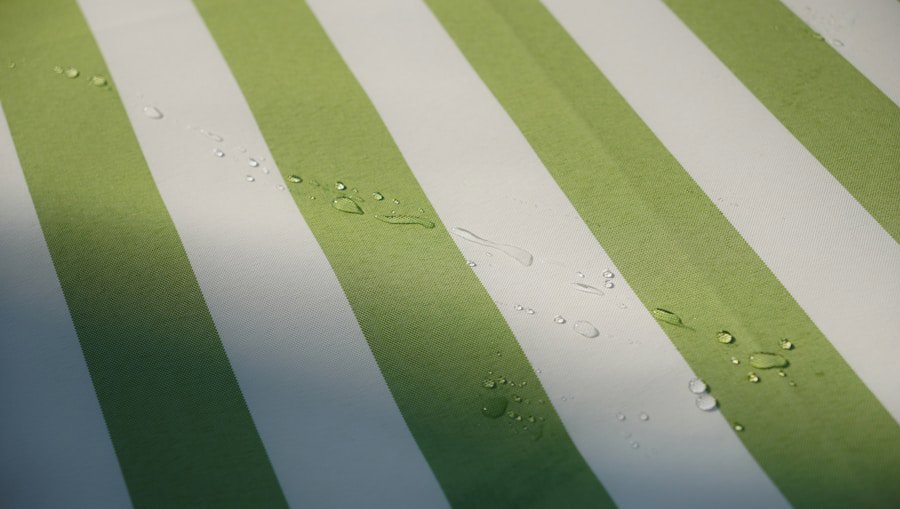
Photo by Tomi Saputra on Unsplash
Step-by-Step Instructions
- Identify exactly how the furniture will be used. Before you buy a single yard of fabric, be honest about the use case. Will this piece sit permanently outside, or does it move in and out? Is it in a sunroom with UV-filtered glass, or fully exposed? A chair that lives on an open porch needs a different fabric than one that occasionally gets pulled onto a shaded deck. Write it down. Knowing the actual exposure level keeps you from over-spending on heavy-duty outdoor fabric when a quality performance blend would do the job, or under-spending and ending up with faded cushions by July.
- Prioritize solution-dyed fibers for anything with sun exposure. Solution-dyed acrylic is the gold standard for UV-resistant upholstery. In the solution-dyeing process, color is added to the fiber itself before it's even spun into yarn, rather than applied to the surface of finished fabric. This means the color goes all the way through the fiber, so it can't fade the way surface-dyed fabrics do. Brands like Sunbrella use this method, and it shows in real-world performance. A quality solution-dyed acrylic fabric can retain its color through 1,000 or more hours of direct sun exposure. If your fabric will see serious sunlight, solution-dyed is non-negotiable.
- Check the double rub count before you buy. Double rub count measures abrasion resistance, basically how many times a fabric can be rubbed back and forth before it starts to break down. One double rub equals one back-and-forth motion. For furniture that gets regular use by kids or pets, you want a minimum of 30,000 double rubs. For high-traffic pieces or anything that gets dragged around regularly, aim for 50,000 or higher. The Martindale abrasion test is the European equivalent measurement and works on the same principle. Any reputable fabric retailer will list this spec. If it's not listed, ask, and if they can't tell you, that's useful information too.
- Choose a fiber type that handles moisture and temperature changes without shrinking. For transitional indoor-outdoor use, the most reliable fiber types are solution-dyed acrylic, polyester blends, vinyl, and certain performance-treated wovens. Acrylic resists mildew and dries fast. Polyester holds its shape well across temperature swings and resists pilling better than many natural fibers. Vinyl is waterproof and extremely easy to clean, though it can feel sticky in high heat unless it's a modern textured vinyl designed for breathability. Untreated 100% cotton and standard linen are beautiful indoors but genuinely struggle with repeated moisture exposure and dramatic temperature changes. If you love the look of linen, look for linen-polyester blends, which give you most of the aesthetic with significantly better stability.
- Look for fabrics with built-in mildew and moisture resistance. Mildew is a summer problem that sneaks up fast on upholstery that gets humid or damp and doesn't dry completely before being brought back inside. Look for fabrics labeled as mildew-resistant or treated with moisture-wicking finishes. Many performance fabrics achieve this through the fiber construction itself rather than a topical treatment, which is preferable because topical treatments can wash or wear off over time. If you're in a humid climate, this step matters as much as UV resistance.
- Match the fabric weight to the furniture type. Heavier fabrics generally pill less and hold up better to friction, but they also trap heat. For transitional summer furniture, a medium-weight fabric in the range of 8 to 12 ounces per yard strikes a good balance. Lighter fabrics feel cooler but tend to wear faster and show stress from temperature changes more quickly. Boucle, for example, is gorgeous and extremely on-trend right now, but its looped texture can snag and pill if it's used in a high-friction environment like a heavily-used chair cushion that gets moved around constantly. Save boucle for the reading chair that stays inside.
- Consider color and pattern strategically for fade resistance and heat absorption. Dark colors absorb more heat, which means a deep navy or charcoal cushion left in direct sun will get significantly hotter than a cream or light grey one. That extra heat accelerates fiber degradation over time. Lighter colors and mid-tones are smarter picks for furniture with real outdoor exposure. Patterns are also a practical choice because minor fading or wear is much less visible on a multicolored or striped fabric than on a solid. Stripes and multi-colored fabrics have a practical edge in summer use, not just a decorative one.
- Test cleanability before committing. Outdoor and transitional furniture gets dirty fast, especially with kids and pets in the mix. Before buying, check the fabric's cleaning code. W means water-based cleaners are safe. S means solvent-based cleaners only. WS means either works. X means vacuuming only, which is a hard no for anything that lives anywhere near grass, sunscreen, or a snack bowl. For summer transitional use, aim for a W or WS fabric at minimum. Performance fabrics in polyester and acrylic often clean up with mild soap and water, which is exactly what you want.
- Order a sample before you commit to yardage. This is the step most people skip and later regret. A swatch lets you test the fabric in your actual light, both inside under AC and outside in sun, before you spend money on full yardage. Hold it up in the room, take it outside, feel how it handles the heat. Check whether the color shifts between natural light and your indoor lighting. A fabric that looks perfect in a product photo can look completely different on your specific furniture in your specific space. Samples are cheap. Buyer's remorse on 10 yards of fabric is not.
Photo by Emmanuel Boldo on Unsplash
What Are the Best Fabric Types for Summer Transitional Furniture?
The best upholstery fabrics for furniture that moves between indoor and outdoor summer environments are solution-dyed acrylic, performance polyester, and vinyl. These fiber types resist fading, shrinking, and pilling better than natural alternatives under repeated temperature and humidity changes.
Solution-dyed acrylic tops the list for any piece with significant sun exposure. It's colorfast, mildew-resistant, and dries fast. Performance polyester is a close second and often more affordable, with excellent pilling resistance and dimensional stability. Vinyl and faux leather are worth serious consideration for families with young kids because they're completely waterproof and wipe clean in seconds. Modern textured vinyls have improved dramatically and no longer look plasticky or feel unbearably hot the way older versions did. For indoor-leaning pieces that occasionally go outside, a woven performance blend or a treated chenille can work beautifully. Honestly, chenille is criminally underrated for transitional use because the dense weave is surprisingly resistant to pilling when it's made from a synthetic base fiber.
Quick Tips and Troubleshooting
- If your current fabric is already starting to pill, a fabric shaver can extend its life while you plan a reupholster. It won't fix fading, but it buys you time.
- Pilling usually means the fabric is either too loosely woven for its use case or the fiber quality is low. It's a symptom of a mismatch, not just bad luck.
- If you're seeing fading after just one season, that almost always points to a surface-dyed fabric with no UV protection. Solution-dyed fabrics don't fade that fast under normal conditions.
- Shrinkage after a rainstorm or heavy humidity typically means natural fibers without adequate treatment. A polyester or acrylic blend won't do this.
- If a fabric feels stiff after being outside, that's often a sign of mineral deposits from evaporated water. A light rinse with clean water and air drying usually solves it.
- Don't store damp cushions inside enclosed furniture boxes or ottomans. Even mildew-resistant fabric needs airflow to stay fresh.
Frequently Asked Questions
Q: What is the best upholstery fabric for furniture that goes between indoor AC and outdoor summer heat?
Solution-dyed acrylic and performance polyester are the best choices for furniture that transitions between indoor and outdoor summer environments. These fabrics resist fading from UV exposure, won't shrink from humidity changes, and resist pilling under regular use and movement.
Q: How do I know if an upholstery fabric will fade in the sun?
Check whether the fabric uses solution-dyed fibers, where color is locked into the fiber itself rather than applied to the surface. Surface-dyed fabrics can fade noticeably within a single summer of outdoor exposure, while solution-dyed fabrics retain color through 1,000 or more hours of direct sunlight.
Q: What does double rub count mean, and how high should it be for summer outdoor use?
Double rub count measures how many back-and-forth abrasion cycles a fabric can withstand before breaking down. For furniture used outdoors or moved frequently in summer, look for a minimum of 30,000 double rubs, and aim for 50,000 or higher for heavy daily use with kids or pets.