
Transition spaces are some of the hardest-working spots in a home. Your mudroom bench takes the brunt of wet backpacks and muddy dog paws. Your entryway chair gets sat on in damp jackets. Your sunroom sofa bakes in afternoon sun and catches condensation on cool mornings. Choosing upholstery fabrics for transition spaces between indoor and outdoor areas is genuinely different from picking a sofa fabric for your living room, but it doesn't mean you need to go full outdoor-grade canvas. With the right fabric choices, you can have something that looks pulled-together, handles real life, and doesn't make you wince every time someone sits down in wet swim trunks.
This guide walks you through the specific fabrics that perform well in mudrooms, entryways, and sunrooms, the properties to prioritize, and the ones to avoid. No trade jargon left unexplained, no fluff.
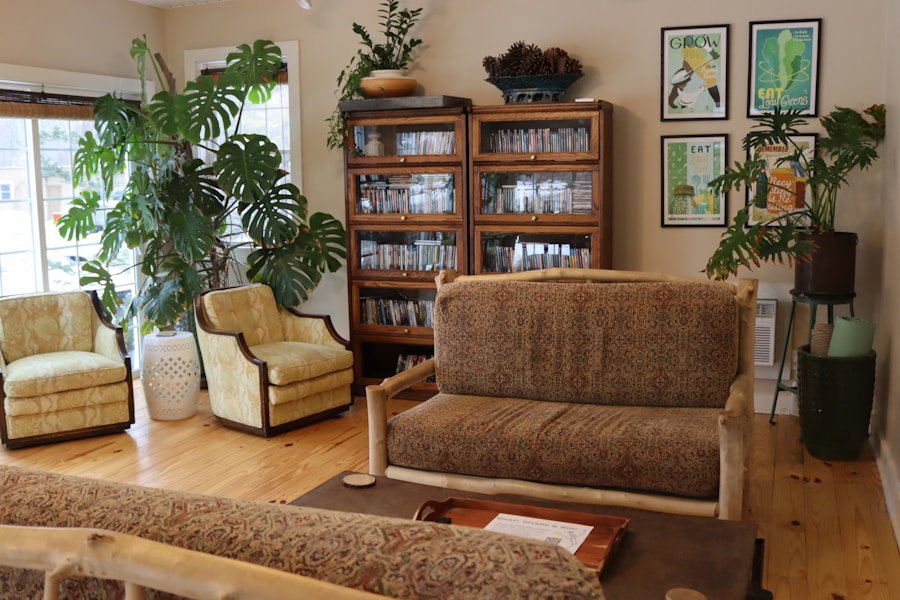
Step-by-Step Instructions: How to Choose the Right Upholstery Fabric for Your Transition Space
- Identify your specific space and its biggest threat. Before you look at a single swatch, get honest about what your space actually deals with. A sunroom faces UV exposure and temperature swings. A mudroom bench faces moisture, dirt, and abrasion. An entryway chair faces less of everything but still needs to handle more than your average reading nook chair. Each of these has a different primary enemy: sun in the sunroom, moisture and grime in the mudroom, and general daily impact in the entryway. Knowing your biggest threat narrows your fabric choices fast.
- Prioritize high abrasion resistance using double rub count as your guide. Double rub count measures how many times a fabric can be rubbed back and forth before it starts to break down. Think of it as a durability score. For a transition space that sees daily use, look for a minimum of 30,000 double rubs. Heavy-use spaces like a mudroom bench with kids and pets benefit from fabrics rated at 50,000 double rubs or higher. Fabrics like solution-dyed acrylic, vinyl, faux leather, and tightly woven chenille regularly hit these numbers. Loosely woven linens or delicate jacquards often don't, which is why they're better suited to low-traffic rooms.
- Choose moisture-resistant or moisture-tolerant fibers specifically. In transition spaces, moisture is often the deciding factor. Faux leather and vinyl are fully moisture-resistant and wipe clean instantly. They're the easiest call for a mudroom bench. If you want something softer and more decorative, solution-dyed acrylic fabrics are a strong alternative. The "solution-dyed" part matters: the color is locked into the fiber during manufacturing, not applied on top, which means it resists fading, mildew, and moisture far better than standard piece-dyed fabrics. For a sunroom, solution-dyed acrylic is genuinely one of the best choices available without jumping to full outdoor canvas.
- Factor in temperature fluctuation tolerance. Sunrooms and entryways near exterior doors can swing dramatically in temperature, especially in summer when afternoon heat builds up against glass. Vinyl can stiffen and crack in prolonged cold, so if your sunroom gets below 50°F regularly in winter, opt for a woven performance fabric instead. Faux leather (polyurethane-based) handles temperature shifts better than PVC vinyl in most cases. Woven fabrics with synthetic or blended fibers generally expand and contract gracefully with temperature changes, which is why they work well year-round in variable environments.
- Look for fabrics with a tight, flat weave structure. The weave matters as much as the fiber content. Tightly woven fabrics resist dirt and liquid penetration better than open or loopy weaves. Chenille, for example, has a soft pile that can trap debris, but a tightly constructed chenille with a dense backing performs significantly better than a loosely woven version. Flat weaves like solid woven polyester, vinyl-backed fabrics, and performance blends give dirt fewer places to hide and make surface cleaning much easier. This is why boucle, while beautiful and very on-trend right now, is generally not the right call for a mudroom bench. Save boucle for the living room accent chair it deserves.
- Select colors and patterns that hide real-life use. This isn't about hiding mess forever, it's about buying yourself time between cleanings. Mid-tones like greige, warm grey, tan, and earthy brown are forgiving without looking like you're trying to camouflage stains. Multi-colored or heathered fabrics are particularly good because the variation in tone breaks up the visual impact of minor soiling. Avoid bright whites and pale creams in mudrooms unless you enjoy laundry. In sunrooms, lighter tones work better because the issue is more fading than dirt, and solution-dyed fabrics in soft blues, greens, and warm neutrals hold their color well even with consistent sun exposure.
- Check for a stain-resistant finish or choose inherently easy-clean fibers. Many performance upholstery fabrics come with a factory-applied stain-resistant finish like Teflon or Crypton. These are helpful and worth looking for. That said, the finish wears off over time, especially in high-use areas. A smarter long-term strategy is choosing fibers that are inherently easy to clean: faux leather, vinyl, solution-dyed acrylic, and tightly woven polyester blends all clean up with just a damp cloth and mild soap. Honestly, faux leather gets overlooked for transition spaces and it shouldn't. Modern faux leather upholstery fabric is softer, more realistic-looking, and far more durable than it was even five years ago.
- Consider UV resistance if your space gets direct sunlight. This is the step most people skip, and then they're frustrated six months later when their cushion fabric looks faded and sad. UV resistance is a fiber-level property, not a topical coating. Solution-dyed acrylic and high-quality polyester blends have inherent UV resistance because the pigment is locked into the fiber. Natural fibers like cotton and linen fade noticeably faster under direct sun. If your sunroom gets direct afternoon light in summer, UV resistance should be non-negotiable on your checklist.
- Test your fabric choice against your cleaning method before committing. This sounds obvious but it saves real headaches. Check the care code on any fabric you're considering. A "W" code means water-based cleaners are safe. An "S" code means solvent-only cleaning, which is impractical for a mudroom. A "WS" code gives you flexibility. A "X" code means vacuuming only, which is not what you want anywhere near a back door. For transition spaces, stick to W or WS fabrics so you can actually clean them the way real life requires.
- Match the fabric weight and backing to the furniture it's going on. Heavier upholstery fabrics, generally those 8 oz per yard or heavier, hold up better on furniture that gets daily use and shifting. A thin, lightweight fabric on a mudroom bench will stretch, pill, and wear through faster. Look for fabrics with a woven or knit backing, which adds stability and helps the fabric keep its shape. If you're reupholstering rather than buying new cushion covers, a backing also makes the fabric easier to work with and less prone to fraying during installation.
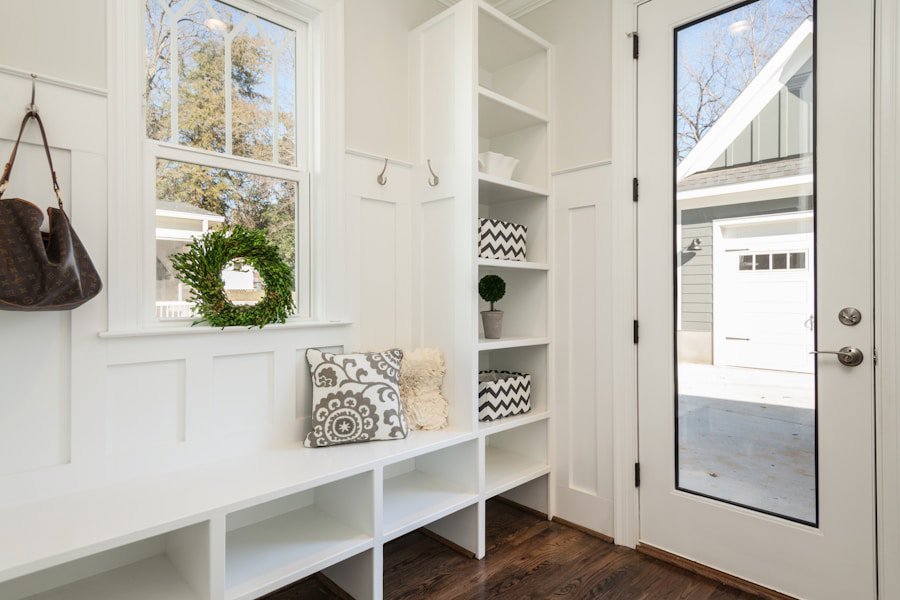
Photo by Douglas Sheppard on Unsplash
What Are the Best Fabric Types for Sunrooms and High-Humidity Transition Spaces?
Solution-dyed acrylic and faux leather are the two strongest performers in high-humidity or sun-exposed transition spaces. Solution-dyed acrylic has a moisture resistance rate that outperforms most standard indoor upholstery fabrics and resists mildew growth even in spaces that experience condensation. Faux leather (polyurethane construction) repels moisture entirely and wipes clean with minimal effort.
Vinyl is another solid option for wet-prone areas, though it's less comfortable for long sitting periods. For spaces where comfort matters more, like a sunroom you actually relax in, a tightly woven performance polyester or a chenille with a moisture-resistant backing gives you the softness of a living room fabric with noticeably better real-world durability. Solid-colored performance fabrics in blues, greens, and warm neutrals are genuinely popular right now for sunrooms because they bridge the gap between indoor comfort and outdoor practicality.
Which Fabrics Should You Avoid in Mudrooms and Entryways?
Velvet, silk, and loosely woven natural linens are the top fabrics to avoid in transition spaces. Velvet, despite its gorgeous look, traps dirt in its pile, absorbs moisture, and is difficult to clean without professional help. It belongs in a dining room or bedroom, not near a back door.
Natural linen is breathable and beautiful, but it wrinkles, absorbs moisture readily, and fades unevenly under UV exposure. Cotton has similar limitations. Delicate jacquards with intricate woven patterns can snag easily under the abrasion of daily use and often have double rub counts under 15,000, which is too low for a high-contact spot. Boucle is having a major style moment right now, and it earns that attention in the right room. A mudroom is not that room. The loopy texture collects debris and resists easy cleaning in ways that will test your patience fast.
Practical Tips for Getting This Right
- Order samples before you commit. Colors photograph differently than they look in person, and texture photos don't tell you how a fabric actually feels or moves.
- If you're doing a sunroom with multiple pieces, stick to one fabric family for cohesion. Mixing a faux leather bench with a performance woven loveseat works well because the textures complement each other without competing.
- For mudroom benches specifically, removable and washable cushion covers are worth the extra effort at the sewing stage. Even the most durable fabric benefits from a full wash occasionally.
- Darker backing on light-colored fabrics helps with opacity and adds a layer of protection against wear-through.
- Summer is actually a great time to reupholster transition spaces because fabrics dry faster after cleaning, and you can air out cushions and foam outside without worrying about them staying damp.
Frequently Asked Questions
Q: Can I use indoor upholstery fabric in a sunroom?Yes, you can use indoor upholstery fabric in a sunroom as long as it has UV resistance and moisture tolerance. Solution-dyed acrylic and performance polyester blends are the best indoor-facing options for sunrooms because they resist fading and handle humidity without requiring full outdoor-grade materials.
Q: What upholstery fabric is easiest to clean in a mudroom?Faux leather and vinyl are the easiest upholstery fabrics to clean in a mudroom because they resist moisture and wipe down with a damp cloth. If you want a softer feel, look for performance fabrics with a "W" or "WS" care code and a tight weave, which allow water-based cleaning and resist dirt penetration.
Q: What does double rub count mean for upholstery fabric durability?Double rub count measures how many back-and-forth rubbing cycles a fabric withstands before showing wear. For transition spaces like mudrooms and entryways with daily use, choose fabrics rated at 30,000 double rubs or higher. Heavy-use areas with kids or pets benefit from fabrics at 50,000 double rubs or above.