
Summer entertaining is one of life's great pleasures. The food, the people, the evening breeze. What's not so great? Watching your outdoor seating take a beating from sunscreen, spills, humidity, and the occasional kid who treats every cushion like a trampoline. Choosing the right upholstery fabrics for outdoor entertaining spaces doesn't have to be complicated, but it does require knowing what to look for. This guide walks you through exactly how to pick fabrics that hold up to real summer life, clean up without a fuss, and still look like you put actual thought into your space.
Step-by-Step Instructions
- Assess how your outdoor space actually gets used. Before you pick a single fabric, think honestly about your space. Is it a shaded covered porch, or is it full sun from noon to eight? Do you have kids and dogs running through? Do you host big groups or is it mostly quiet evenings for two? High-traffic, high-sun spaces need fabrics built for serious abuse. A shaded screened porch with occasional guests has a little more flexibility. The more honestly you answer these questions, the better your fabric choice will serve you all summer long.
- Prioritize UV resistance above almost everything else. UV exposure is the number one fabric killer in outdoor settings. Fabrics that aren't built for sunlight will fade, weaken, and break down fast. Solution-dyed acrylic is the gold standard here. In solution-dyed fibers, the color is baked into the fiber itself during manufacturing rather than applied on top, which means it resists fading dramatically better than piece-dyed alternatives. Fabrics made from solution-dyed acrylic can retain color and structural integrity after thousands of hours of sun exposure. If you're investing in outdoor upholstery, this is the property worth paying for.
- Check the double rub count for durability. A double rub count measures how many times a fabric can be rubbed back and forth before it starts to show wear. Think of it as a stress test for your couch cushions. For outdoor entertaining areas, you want a minimum of 30,000 double rubs. Heavily used spaces, think a busy patio with kids and guests coming and going, benefit from 50,000 or higher. Vinyl and faux leather options often exceed 100,000 double rubs, which is why they're so popular for commercial outdoor settings. Don't skip this number when you're comparing fabrics.
- Consider vinyl and faux leather for high-mess zones. If your outdoor entertaining space is where the real action happens, vinyl and faux leather fabrics are genuinely hard to beat. Spills wipe clean in seconds. They don't absorb moisture, which means mildew and mold have a much harder time getting established. Modern faux leather has come a long way. Today's options have convincing texture, real visual warmth, and a softness that doesn't feel plasticky. Vinyl fabric is especially practical for dining chairs and bench seating where food and drink contact is basically guaranteed. At Famcor Fabrics, the vinyl and faux leather collections offer options that work hard without looking industrial.
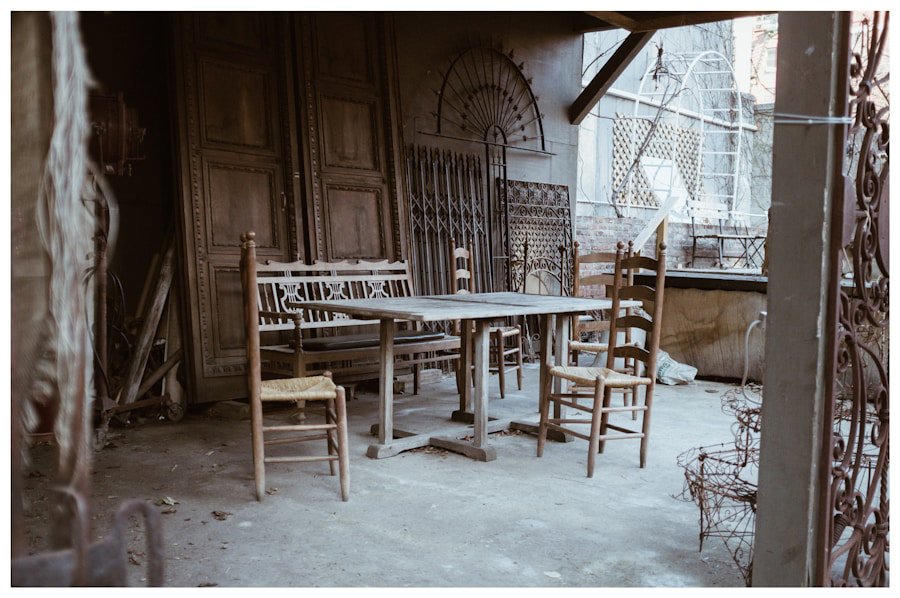
Photo by Leslie Foster on Unsplash
- Look for fabrics with mold and mildew resistance. Outdoor humidity is relentless in summer, especially in coastal or rainy climates. Fabrics that trap moisture become breeding grounds for mildew fast. Solution-dyed acrylics, vinyl, and many performance weaves are treated or engineered to resist moisture absorption and microbial growth. When you're reading a fabric spec, look for language like "mold resistant," "moisture-wicking," or "quick-dry." Woven fabrics with an open weave structure also dry faster than dense upholstery, which helps a lot after a sudden summer shower sends everyone scrambling inside.
- Think about color strategically for outdoor use. Here's the thing: color choice isn't just aesthetic outdoors, it's practical. Darker colors absorb more heat, which can make seating genuinely uncomfortable on a blazing summer afternoon. Lighter neutrals like cream, beige, and white reflect more heat and stay cooler to the touch, though they do show dirt faster. A middle ground like warm grey, dusty blue, or earthy green tends to hit the sweet spot of heat management and reasonable stain camouflage. Stripes and multi-color patterns are also great for outdoor spaces because small variations in color hide everyday dirt and wear between cleanings. Browse the blue, green, and stripes collections for summer-friendly options that work hard and look good.
- Don't overlook texture for style and comfort. Performance fabrics have gotten genuinely beautiful in recent years. You're not stuck choosing between "durable but ugly" and "pretty but fragile." Modern outdoor-appropriate wovens can mimic the look of linen, have the visual warmth of chenille, or give you a clean solid that looks right at home in a well-designed space. Textured weaves also hide surface scuffs and uneven wear better than smooth fabrics. The woven and modern textures categories are worth a long look if you want something that feels elevated without sacrificing practicality.
- Match your fabric to your cleaning routine. The best outdoor fabric is one you'll actually maintain. Vinyl and faux leather need nothing more than a damp cloth and mild soap. Solution-dyed acrylics can usually handle a diluted bleach solution without losing color, which is a serious advantage for deep cleaning. Woven fabrics may need a soft brush and fabric-safe cleaner. Before you commit, check the care instructions on the fabric spec sheet. A fabric that requires dry cleaning only is not an outdoor entertaining fabric. Full stop.
- Test swatches before committing to yardage. Always order swatches. Colors on screens vary, and texture is something you genuinely can't judge from a photo. Hold the swatch in your actual outdoor space at different times of day. See how it looks in direct afternoon light versus shade. Run your hand across it. If you have kids or pets, let them handle it too. Famcor Fabrics makes swatches available so you're not guessing on a large yardage purchase. A few dollars in swatches saves a lot of regret later.
- Calculate your yardage accurately before ordering. Measure your cushions, seats, and any furniture pieces you're reupholstering carefully. For flat cushion covers, add at least 2 to 3 inches per edge for seam allowance and wrap. If you're working with a patterned fabric like stripes or a designer print, factor in pattern repeat so your seams line up correctly. Stripes need careful alignment or the whole thing looks off. When in doubt, order an extra half-yard to a full yard. Running short mid-project is genuinely miserable, and dye lots can vary between orders.
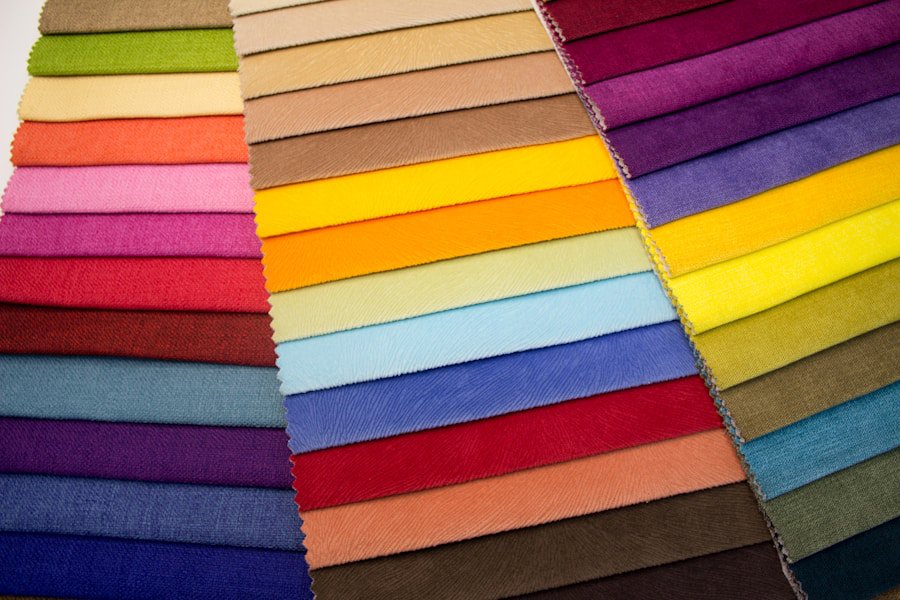
Photo by Ekaterina Grosheva on Unsplash
What Are the Best Upholstery Fabrics for Outdoor Entertaining Spaces?
The best upholstery fabrics for outdoor entertaining spaces are solution-dyed acrylic, vinyl, and faux leather. These materials resist UV fading, moisture, and mold while holding up to the physical wear of regular hosting and outdoor conditions.
Solution-dyed acrylic delivers the best combination of color retention and soft texture for outdoor cushions. Vinyl and faux leather win on pure wipeability for dining and high-contact surfaces. Woven performance fabrics in polyester blends offer a middle path with good durability and a more decorative look. Honestly, the biggest mistake homeowners make is choosing a beautiful indoor upholstery fabric and hoping it'll survive outside. It won't. The fiber type matters more outdoors than almost anywhere else.
How Do You Clean Outdoor Upholstery Fabrics After Summer Entertaining?
For most outdoor upholstery fabrics, a mixture of mild dish soap and warm water applied with a soft brush handles routine cleaning. Solution-dyed acrylics can typically tolerate a diluted bleach solution of one cup bleach per gallon of water for tougher stains without damaging the fabric's color or integrity.
For vinyl and faux leather, a damp microfiber cloth removes most spills immediately. Avoid harsh solvents or abrasive scrubbers, which can break down protective surface coatings over time. For woven outdoor fabrics, rinse thoroughly after cleaning and allow to air dry completely before replacing cushions to prevent moisture from being trapped underneath. Quick action on stains always beats heroic effort later.
Quick Tips Before You Start Shopping
- Always check whether a fabric is rated for outdoor use or just "performance" use, these aren't always the same thing.
- If a product listing doesn't mention UV resistance or a double rub count, ask before you buy. Any good fabric retailer should be able to provide that information.
- Neutral bases with colorful outdoor throw pillows give you flexibility to update your look each summer without reupholstering everything.
- Store cushions indoors or in a weatherproof bin during extended rain periods, even the most durable fabric benefits from not sitting in standing water.
- For a cohesive look, stick to two or three fabrics maximum across your outdoor space. Mixing too many textures and patterns in an open-air environment reads as chaotic rather than layered.
Frequently Asked Questions
Q: What is the most durable upholstery fabric for outdoor entertaining spaces?Vinyl and solution-dyed acrylic are the most durable upholstery fabrics for outdoor use. Vinyl often exceeds 100,000 double rubs and resists moisture completely, while solution-dyed acrylic holds color after prolonged UV exposure and resists mold and mildew, making both excellent choices for high-use outdoor entertaining areas.
Q: Can I use indoor upholstery fabric outside for the summer?Indoor upholstery fabrics are not recommended for outdoor use. They're not engineered to resist UV radiation, moisture, or mold, and most will fade, weaken, or develop mildew within a single season when exposed to outdoor conditions. For any outdoor application, choose fabrics specifically rated for outdoor or all-weather use.
Q: How much upholstery fabric do I need for outdoor chair cushions?A standard outdoor chair cushion typically requires 1 to 1.5 yards of 54-inch wide upholstery fabric per cushion, depending on cushion size and whether you're making a simple cover or wrapping with seam allowances. Always add extra for patterned fabrics that require matching, and order a little more than your minimum estimate to account for cutting errors.