
Summer brings out the pool floats, the inflatable unicorns, and the kids who never quite dry off before sitting on everything you own. If your furniture is anywhere near a pool deck, a sunroom, or even just a back door where wet kids traipse through, you need upholstery fabrics that can actually handle chlorine and chemical exposure without fading, stiffening, or falling apart. This guide walks you through exactly how to identify, evaluate, and choose the right fabric so your furniture stays looking good all season long, and for many summers after that.
Why Chlorine and Pool Chemicals Are So Hard on Upholstery Fabrics
Chlorine is an oxidizing agent, which means it actively breaks down organic fibers at a molecular level. Natural fibers like cotton and linen are particularly vulnerable because they absorb moisture quickly and hold chemical residue against the fiber strand itself. Over time, this causes the fabric to weaken, lose color, and eventually deteriorate. Sunscreen compounds, saltwater from saltwater pools, and the plasticizers that leach off vinyl pool floats and inflatables add another layer of chemical stress that most decorative fabrics were never designed to handle.
The good news is that some fabrics are genuinely built for this. Knowing which ones, and why, makes the difference between a patio chair that looks great in year five and one that's peeling and blotchy by Labor Day.
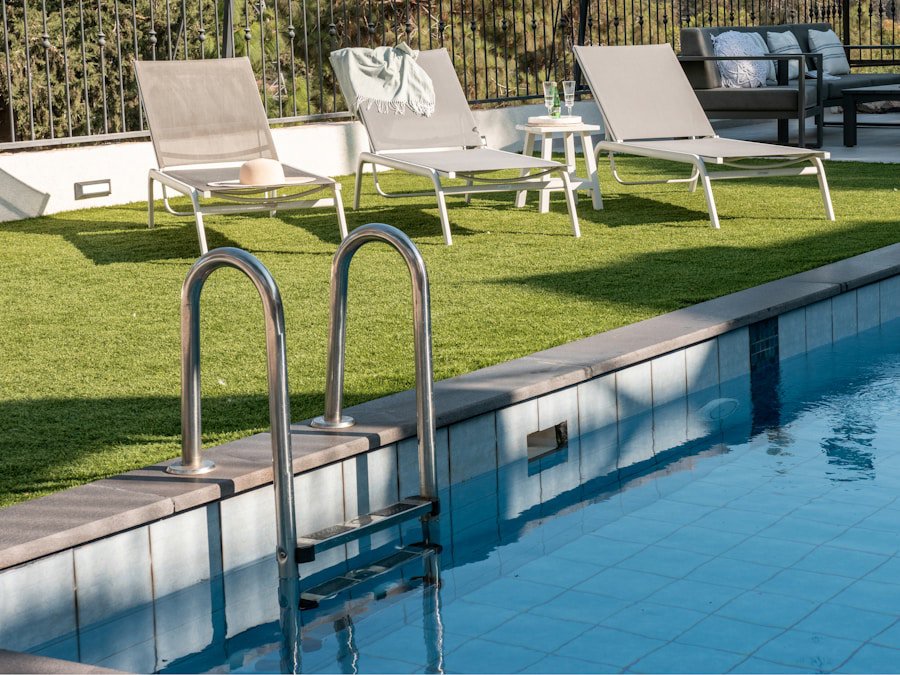
Photo by Shoham Avisrur on Unsplash
Step-by-Step Instructions
- Start by identifying where the fabric will actually live. Before you think about color or texture, be honest about the environment. Is this fabric going on a chair that sits directly on a pool deck in full sun? A sunroom that gets humid and bright? An indoor sofa near a back door where kids come in wet? Each situation calls for a slightly different level of protection. Outdoor-adjacent spaces need the most chemically resistant options. Fully indoor spaces with occasional splash contact have more flexibility.
- Prioritize solution-dyed acrylic as your first-choice fiber for high-exposure areas. Solution-dyed acrylic is the gold standard for chlorine-resistant upholstery. Unlike fabrics that are dyed after weaving, solution-dyed acrylic has color added to the fiber itself during manufacturing, before it's even spun into yarn. This means the pigment goes all the way through the fiber, so chlorine can't strip it from the surface. Sunbrella is the most recognized brand in this category, and fabrics made with solution-dyed acrylic fibers typically retain color integrity through years of chlorine exposure, UV radiation, and repeated cleaning with mild bleach solutions. If there's one fabric type worth knowing by name, this is it.
- Consider vinyl or marine-grade vinyl for maximum chemical resistance. Vinyl upholstery fabric creates a non-porous surface that chlorine, sunscreen, and pool toy chemicals simply can't penetrate. It doesn't absorb moisture, so there's no fiber to degrade. Marine-grade vinyl goes a step further with UV stabilizers built into the material to prevent cracking and fading in direct sun. The tradeoff is that vinyl can get hot in full sun and may feel less comfortable for long sitting sessions, but for pool-side furniture or any surface that takes repeated direct splash contact, it's genuinely hard to beat. Vinyl upholstery fabrics are worth a serious look if you want near-zero maintenance around water.
- Check the double rub count for any fabric you're considering. Double rub count measures abrasion resistance, basically how many times a fabric can be rubbed back and forth before it starts to wear down. One "double rub" equals one back-and-forth motion. For high-traffic outdoor or pool-adjacent use, you want a minimum of 30,000 double rubs, and honestly 50,000 or higher is better for anything that's going to see daily use. This number is usually listed in the fabric's spec sheet. If a fabric doesn't list it, ask. A beautiful fabric with a low double rub count is going to look rough within a season of heavy summer use.
- Avoid natural fiber fabrics in high-chlorine environments. Cotton, linen, and untreated natural blends absorb moisture and hold chemical residue longer than synthetic fibers. Even performance-treated cotton can only do so much when chlorine exposure is regular and direct. This doesn't mean natural fabrics have no place in your home. They're wonderful for indoor furniture away from splash zones. But for pool-adjacent seating, skip them in favor of synthetics purpose-built for chemical exposure. Linen fabrics and cotton fabrics are better reserved for interior spaces where they can really shine.
- Look for fabrics rated for outdoor or multi-use environments. Fabric manufacturers use terms like "outdoor-rated," "performance fabric," or "contract grade" to signal that a fabric has been tested beyond residential decorating standards. Contract-grade fabrics, for example, are tested to the standards used in hotels and commercial spaces, which means they've passed abrasion, stain, and often UV resistance benchmarks. When a fabric listing says it meets or exceeds ASTM or AATCC testing standards for colorfastness and chemical resistance, that's meaningful. It's not just marketing language. Those are actual lab tests.
- Test a fabric sample before committing. If you're investing in reupholstery for multiple pieces, order fabric samples first. Wet a sample, apply a diluted chlorine solution (the concentration you'd actually find on a pool toy or splashed pool water), and let it sit for 30 minutes. Rinse and let it dry. Check for color shift, stiffness, or any surface change. This is the most practical test you can run at home, and it will tell you more about real-world performance than any product description.
- Match the fabric color strategy to your exposure level. Lighter colors like cream, white, and beige show chemical staining more readily than mid-tones or darker shades. If your furniture is going to see heavy chlorine contact, consider blue, grey, or green tones, all of which are popular for outdoor and pool spaces this summer and do a better job of hiding any minor residue before you get around to cleaning. Solid colors in solution-dyed acrylic also tend to look more consistent over time than prints, because even slight fading is uniform across the surface.
- Plan your cleaning and maintenance routine before you install the fabric. The best chlorine-resistant fabric still benefits from a regular rinse. After pool season parties or heavy splash contact, a quick wipe-down with clean water removes chemical residue before it has a chance to sit. For solution-dyed acrylic, a mild soap and water solution handles most stains. For vinyl, a diluted bleach solution is usually safe and recommended by manufacturers. Avoid silicone-based cleaners on vinyl, as they can degrade the surface over time. Setting up a simple spray bottle with your cleaning solution near the seating area makes it easy to do a quick wipe after every pool day.
- Consider a performance fabric for indoor pieces that get indirect exposure. Not all chlorine damage happens at poolside. Kids who jump on the couch after swimming, pool toys stored near the sofa, or a sunroom chair that gets occasional splash from a garden hose all create lower-level but real chemical exposure. For these situations, a performance-treated fabric like a woven polyester or a high-grade faux leather gives you indoor aesthetics with much better chemical resistance than standard decorative fabric. Performance fabrics have come a long way, and some of them look genuinely beautiful in a living room setting without broadcasting "this is the durable chair."
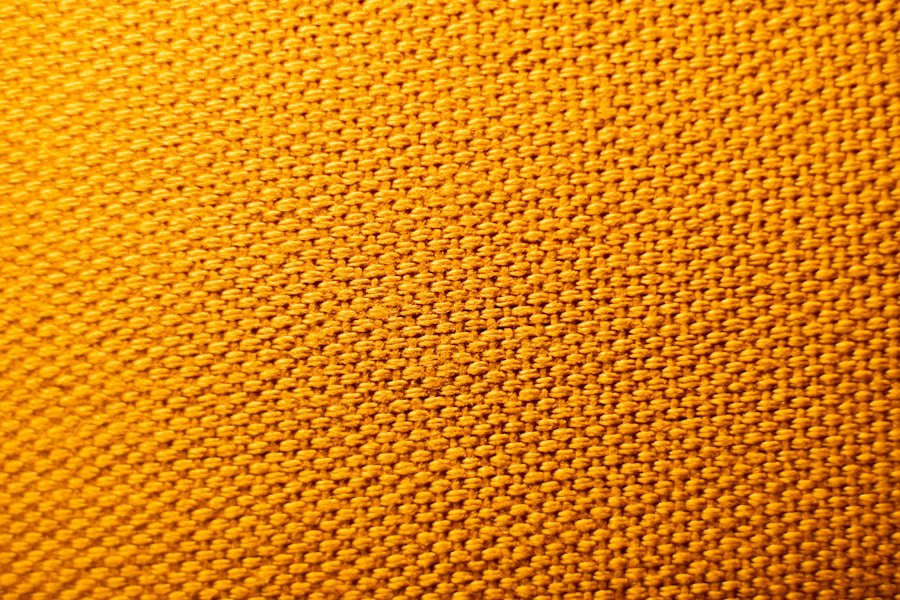
Photo by Marcus Urbenz on Unsplash
What Are the Best Fabrics for Pool-Side and Chemical-Resistant Upholstery?
Solution-dyed acrylic and marine-grade vinyl are the top performers for direct chlorine and chemical exposure in upholstery applications. Solution-dyed acrylic fabrics retain color and structural integrity after repeated contact with chlorinated water because the pigment is locked into the fiber core rather than applied to the surface. Marine-grade vinyl resists chemical penetration entirely due to its non-porous construction.
Beyond these two, high-performance woven polyester with a protective finish is a solid middle-ground option for semi-exposed indoor spaces. Polyester fibers are inherently more resistant to moisture and chemical absorption than natural fibers, and when woven tightly with a stain-resistant finish, they handle the indirect chlorine exposure that happens when a wet kid collapses onto your sofa. Honestly, the performance polyester category is where a lot of the most interesting fabric development is happening right now, and the options look much better than they did five years ago.
How Do You Know If an Upholstery Fabric Can Handle Chemical Exposure Without Discoloring?
Look for AATCC colorfastness ratings in the fabric's specifications. The AATCC (American Association of Textile Chemists and Colorists) test method 16 measures how well a fabric holds color when exposed to light, and test method 61 measures colorfastness to laundering and chemical agents. A rating of 4 or higher on a scale of 1 to 5 indicates good to excellent resistance. Fabrics with these ratings listed in their specs have been tested in a lab, not just described by a copywriter.
Also pay attention to whether a fabric's colorfastness rating was tested against chlorinated water specifically. Some fabrics pass general colorfastness tests but aren't specifically rated for pool chemical exposure. If you're buying for a pool environment, ask for that specific data point. A reputable fabric supplier should be able to provide it.
Quick Tips and Troubleshooting
- If you notice early discoloration: Act fast. Rinse the area thoroughly with clean water and a small amount of mild soap. The longer chlorine residue sits, the deeper the oxidation goes. Catching it early can stop further damage.
- If the fabric feels stiff after chemical contact: This usually means fiber degradation has started. For solution-dyed acrylic, a fabric conditioner safe for synthetics can sometimes restore some softness. For natural fiber blends, stiffness after repeated chlorine exposure often signals that the fabric is at the end of its useful life in that location.
- If you're reupholstering patio furniture: Pull the old fabric off completely before measuring for new material. Pool furniture frames often have moisture trapped in crevices, and installing new fabric over a damp or moldy surface defeats the purpose of choosing a quality material.
- If you want to use a decorative print near the pool: Choose a print on a solution-dyed acrylic base, not a standard decorative print fabric. Many outdoor fabric collections now include stripes, geometrics, and even florals in chemically resistant constructions. You don't have to choose between style and durability here.
- If budget is a factor: Performance polyester is typically less expensive than solution-dyed acrylic while still offering meaningful chemical resistance for indoor-adjacent use. Save the premium acrylic for pieces that take the most direct exposure and use performance polyester where the contact is more occasional.
Frequently Asked Questions
Q: Can regular upholstery fabric be treated to resist chlorine and pool chemicals?
Some fabric protectants can add a temporary barrier against chemical staining, but they don't change the fundamental chemistry of the fiber. A natural fiber fabric treated with a spray-on protectant will still degrade under repeated chlorine exposure. For genuine chemical resistance, the protection needs to be built into the fiber itself, as it is with solution-dyed acrylic and vinyl. Topical treatments are better suited for protecting against occasional spills indoors, not sustained outdoor chemical exposure.
Q: Is vinyl upholstery safe to use around kids and pets near a pool?
Marine-grade and contract-grade vinyl upholstery fabrics are generally considered safe for use around children and pets. They're non-porous, easy to wipe clean, and don't harbor mold or bacteria the way absorbent fabrics can in a wet environment. Look for vinyl fabrics that are phthalate-free and meet GREENGUARD or similar certifications if you want additional assurance about chemical off-gassing, especially for enclosed sunroom or indoor-adjacent spaces.
Q: How often should pool-adjacent upholstery be cleaned to prevent chemical damage?
For furniture that sees regular pool use during summer, a rinse with clean water after every heavy splash event is a good baseline habit. A more thorough cleaning with mild soap and water once a week during peak season will prevent chlorine and sunscreen buildup from accumulating and causing long-term discoloration. Solution-dyed acrylic fabrics from brands like Sunbrella are specifically designed to be cleaned with diluted bleach solutions without damaging the fiber, which makes maintenance considerably easier than most other fabric types.