
Hosting season is right around the corner, and that cushion everyone avoids is about to get its moment in the spotlight. Good news: you can fix sagging sofa cushions at home by replacing the foam, wrapping it in Dacron, and sewing a new cover. It usually costs a small fraction of what full reupholstery runs, and the frame under your sofa is probably fine.
This guide walks you through measuring, picking foam, choosing a fabric that survives kids and pets, and sewing a zippered cover. We'll also tell you when to put the scissors down and call a professional.
Why Do Sofa Cushions Sag?
Sofa cushions sag because the foam core breaks down, not because the fabric wears out. Low-density polyurethane foam loses its cell structure after a few years of daily compression, and the Dacron wrap around it flattens at the same time.
Here's the thing: most "worn out" sofas have a perfectly good frame and springs. Budget foam under 1.5 pounds per cubic foot density can start to dent within two to three years of regular use. A stretched, pilled cover makes the problem look worse, which is why the cushion looks tired even when the sofa itself is solid.
Quick test. Remove a cushion and press your hand into the seat deck, which is the platform the cushion sits on. If the deck feels firm and the webbing or springs are intact, the cushion is the culprit. Good, that's the cheap fix.
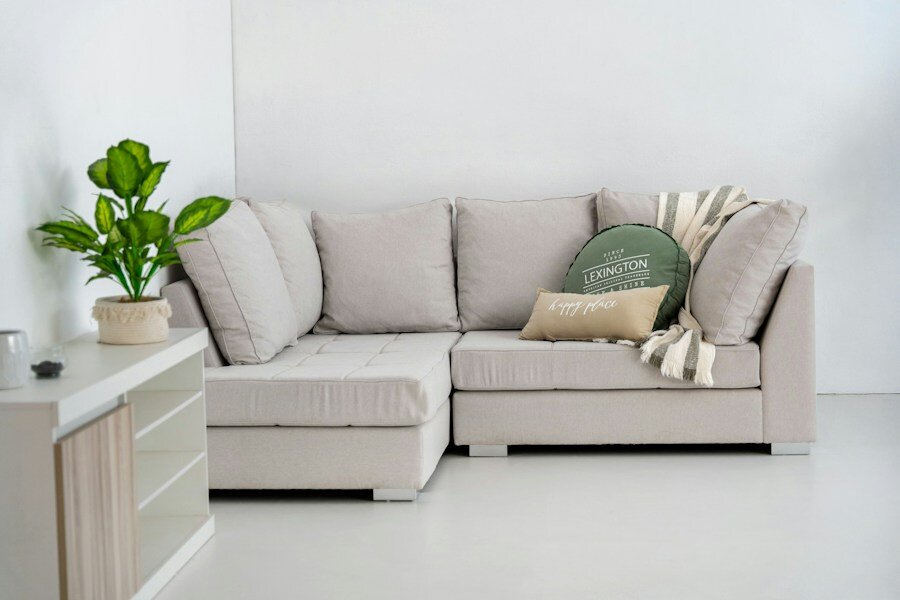
Photo by Costa Live on Unsplash
What Foam Is Best for Replacing Sofa Cushions?
High-resilience (HR) foam with a density of at least 1.8 pounds per cubic foot, and ideally 2.5 or higher, is the best choice for seat cushions. HR foam springs back faster and resists permanent compression far better than standard polyurethane.
Density tells you how long the foam will last. Firmness, measured as ILD (indentation load deflection), tells you how it feels. For a seat cushion, look for an ILD of roughly 35 to 50. Back cushions can go softer, around 20 to 30. A quotable rule from upholstery workshops: density determines lifespan, ILD determines comfort.
- Seat cushions: HR foam, 2.5 lb density or higher, ILD 35 to 50.
- Back cushions: Softer foam, ILD 20 to 30, or a foam core wrapped with extra Dacron.
- Households with kids or pets: Go firmer and denser. It bounces back from the daily cannonball.
Dacron is polyester batting, and it's what gives the cushion that smooth, crowned look. One or two layers around the foam softens the edges and helps the cover slide on without wrinkling.
Which Fabric Works Best for a Sofa Seat Deck?
A tightly woven chenille or woven fabric rated for at least 30,000 double rubs is the best choice for a seat cushion cover. The double rub count measures abrasion resistance on the Wyzenbeek test. Residential upholstery starts around 15,000, and heavy-duty use calls for 30,000 or more.
If your fabric is rated on the Martindale test instead, which is common for European mills, look for 25,000 cycles or more for a family sofa. Honestly, chenille is criminally underrated here. Its dense pile hides crumbs and fingerprints, feels soft in cooler months, and the best constructions have a durable backing that resists snagging. Pet owners should favor a tight weave over loose loops, because claws catch loops.
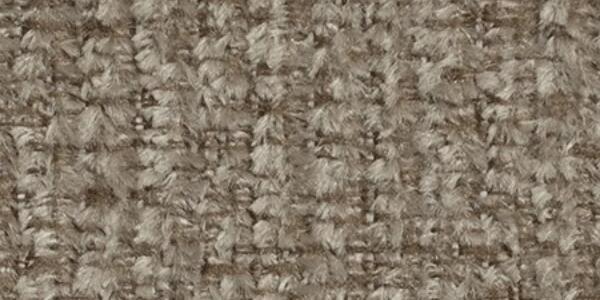
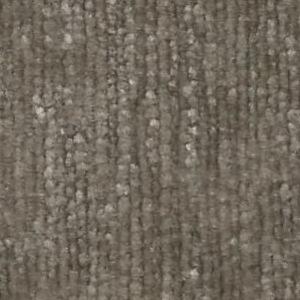
- Brown chenille upholstery fabric hides pet hair and spills, and it suits the warm, earthy palette that's trending for fall.
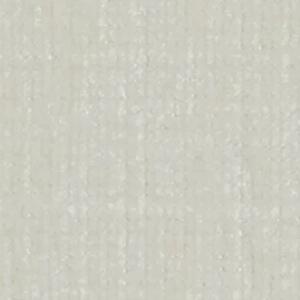
- Woven upholstery fabrics are flat, stable, and easy to sew, which makes them a good pick for a first cover.
- Choose a solid or small-scale texture. Large patterns mean extra yardage and matching headaches.
Plus, check the cleaning code. "W" means water-based cleaners are fine, which is handy when someone tips red wine.
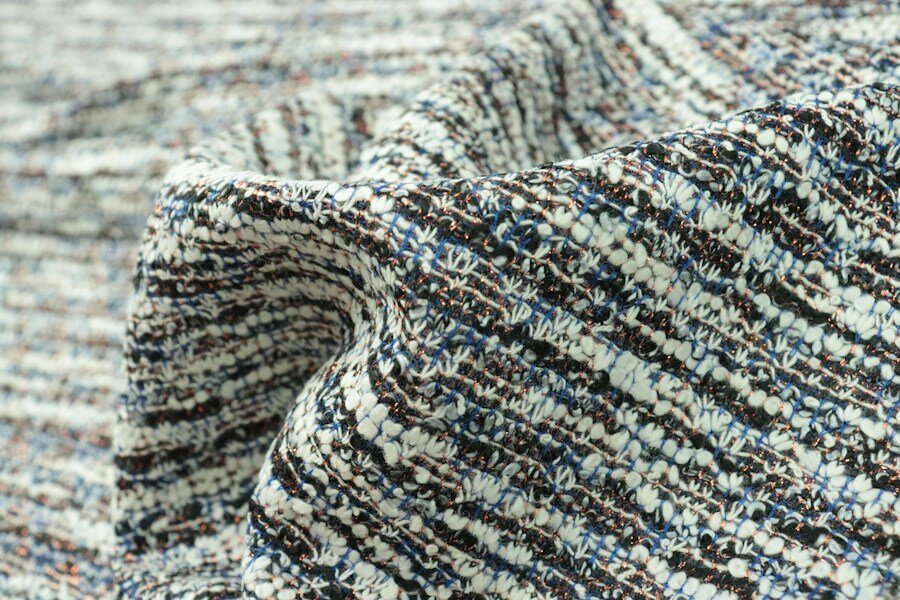
Photo by Divazus Fabric Store on Unsplash
How Much Fabric Do You Need Per Sofa Cushion?
A standard 24 x 24 x 5 inch seat cushion needs about 1.25 to 1.5 yards of 54-inch-wide fabric for a boxed zippered cover. A typical three-cushion sofa needs roughly 4 to 5 yards for the seat cushions alone.
Cushion size changes the math, so measure first and add 10 percent for mistakes and pattern matching. A rough guide:
- Standard seat cushion (24 x 24 x 5 in): 1.25 to 1.5 yards.
- Large seat cushion (30 x 26 x 6 in): 1.75 to 2 yards.
- Back cushion (24 x 20 x 5 in): about 1 yard.
Cost-wise, new HR foam, Dacron, a zipper, and fabric for three seat cushions typically lands in the low hundreds of dollars. Professional reupholstery of a full sofa commonly runs well past $1,500. That gap is why this project is such a smart rescue.
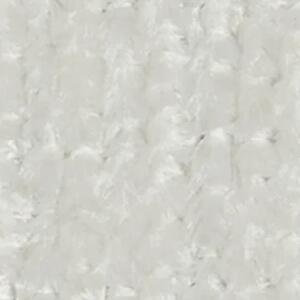
Ready to shop? Here are a few chenille and woven options that stand up to real family life.
Shop Chenille Upholstery Fabrics
Tools and Materials List
- HR foam cut to size (or a foam saw or electric carving knife for trimming)
- Dacron polyester batting, 1 to 2 layers
- Upholstery fabric, 30,000+ double rubs
- Upholstery zipper (a 4 to 6 inch longer zipper than the cushion width, with a pull tab you can work around corners)
- Heavy-duty thread (bonded polyester) and a size 16 or 18 needle
- Sewing machine with a zipper foot
- Fabric shears, tailor's chalk, pins or clips, tape measure
- Spray adhesive (optional) to hold Dacron in place
Step-by-Step Instructions
- Measure the cushion. Measure width, depth, and thickness of the old foam, not the stretched cover. Write the numbers down. For a snug fit, plan to cut the new foam about 1/2 inch larger than the finished cover size so the corners fill out.
- Buy and cut the foam. Order HR foam to your dimensions, or trace the old cushion onto a new slab. Cut with an electric carving knife, keeping the blade perfectly vertical for clean edges.
- Wrap with Dacron. Lay the foam on a layer of Dacron, mist lightly with spray adhesive, and wrap it like a present. Trim the overlap so the seam sits on the back. Add a second layer if you want a plumper look.
- Cut the fabric panels. Cut a top panel, a bottom panel, and a boxing strip (the band around the sides). Add 1/2 inch seam allowance on all edges. Cut the boxing strip in two pieces so you can insert the zipper.
- Sew the zipper in. Sew the zipper between the two boxing strip pieces along the back edge. Open the zipper halfway before you sew the rest of the cover. This is the step everyone forgets, and it's the one you can't fix once the cover is closed.
- Sew the cover. Pin the top panel to the boxing strip, right sides together. Sew slowly around the corners and clip the seam allowance at each corner so the fabric lies flat. Repeat for the bottom panel.
- Stuff the cushion. Turn the cover right side out. Fold the wrapped foam, slide it inside, then let it expand. A plastic bag around the Dacron helps it slip in without bunching.
- Test and fluff. Zip the cover, smooth the corners, and sit on it. If it's too tight to zip, remove one layer of Dacron. Rotate and flip your cushions monthly to keep wear even.
When Should You Call a Professional?
Call a professional if the sofa frame is cracked, the springs or webbing are broken, or you hear creaking when you sit. Cushion work only fixes the cushion. A damaged seat deck will flatten brand-new foam within months.
- The frame wobbles or a wooden rail is split.
- Sinuous springs have snapped or detached.
- The cushions are oddly shaped, like curved, tapered, or T-shaped seats, which need pattern-cutting skills.
- The sofa is an antique or high-value piece.
A pro can also quote whether full reupholstery makes sense. A $200 cushion fix on a $400 sofa might not be the best use of your weekend, while the same fix on a quality frame is a bargain.
Tips for a Better Result
- Pre-wash or steam your fabric if it has a cotton content, and check the care code first.
- Use a walking foot or a heavy needle on thick chenille. It prevents skipped stitches.
- Choose a cream chenille only if you're confident in your cleaning routine, since lighter shades show spills sooner. Darker neutrals are more forgiving.
- Sew a practice corner with scrap fabric before you cut into your good yardage.
- Browse the full chenille collection for swatches before you commit, and order a sample to test against your room light.
Frequently Asked Questions
Q: How much does it cost to fix sagging sofa cushions yourself?
Replacing foam, Dacron, and fabric for three seat cushions usually costs a few hundred dollars. Full professional reupholstery commonly starts above $1,500, so the DIY route can save you the majority of the cost.
Q: What is the best foam density for sofa seat cushions?
The best foam for seat cushions is high-resilience foam with a density of at least 1.8 pounds per cubic foot, and ideally 2.5 or higher. Pair it with an ILD of 35 to 50 for a firm, supportive feel that lasts for years.
Q: What double rub count do I need for a sofa cover?
Choose fabric rated at 15,000 double rubs for light use and 30,000 or more for a family sofa with kids or pets. Higher counts mean the fabric resists abrasion longer on the Wyzenbeek test.