
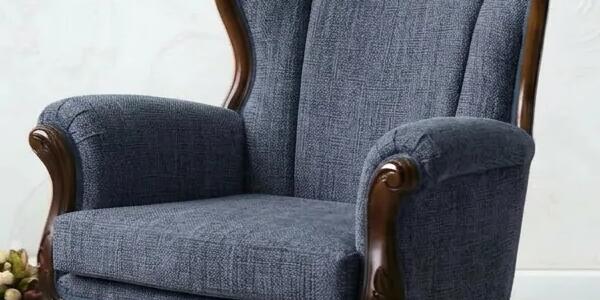
Fabric wrapped wall panels are the easiest way to make a room feel softer, quieter and more finished, and fall is the perfect time to build them. The days get shorter, you're spending more hours indoors, and that echoey home office suddenly bugs you. A few upholstered panels fix the sound, add texture and can even double as a headboard-style accent wall. Best part: you can mount them without damaging a rental. Here's how to make them from real upholstery fabric.
Why Use Upholstery Fabric for Fabric Wrapped Wall Panels?
Heavy, tightly woven upholstery fabric hides staple lines and seams, resists sagging and holds up far better than thin decor cotton. It's built to be stretched over furniture frames, so it takes the tension of a panel without distorting.
Here's the thing: lightweight cotton shows every staple, every bump in the core and every wrinkle at the corners. Upholstery fabric has enough body to cover all of that. Look for upholstery rated at least 15,000 double rubs on the Wyzenbeek test (the standard for general residential seating). Commercial-grade fabrics start around 30,000. A wall panel never gets sat on, but that tight construction is exactly why the fabric stays flat for years.
Sound is the other reason. Absorption comes mostly from the core behind the fabric, but the cover matters too. A breathable, medium-to-heavy woven lets sound pass through to the core while adding mass that dampens vibration. Thin cotton stretches and sags over time, while backed vinyl or faux leather reflects sound instead of letting it in. If you want a quieter room, stick with a woven upholstery fabric you can actually breathe through. Hold a swatch to your mouth and blow. If air passes, sound will too.
Family and pets matter here as well. Panels get brushed by kids, backpacks and cat tails. A tight weave resists snagging, and most upholstery fabrics can be vacuumed with a soft brush attachment. Check the cleaning code on the fabric: W means water-based cleaners, S means solvent only, WS means either, and X means vacuum only.
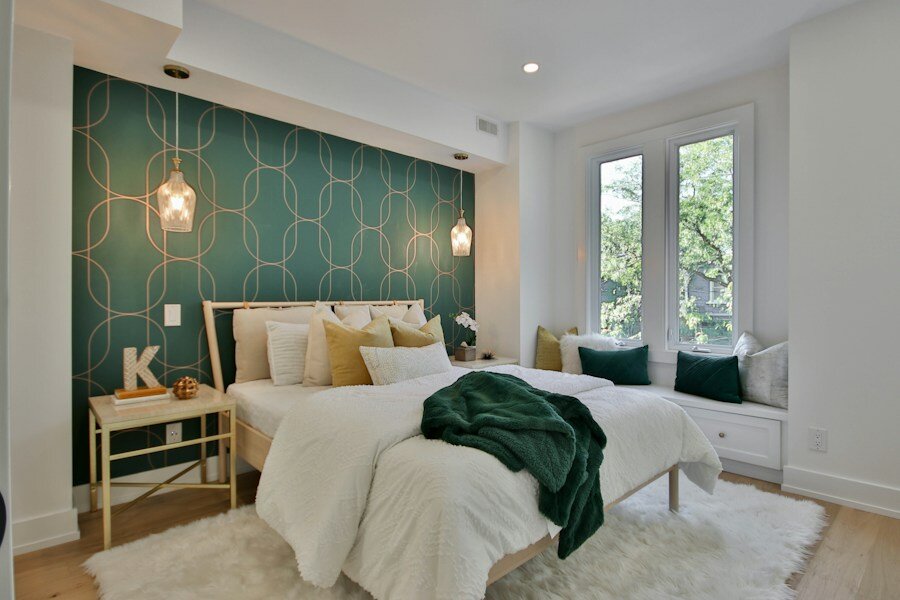
Photo by Lotus Design N Print on Unsplash
What Materials and Tools Do You Need?
You need lumber for the frame, a core (rigid fiberboard or acoustic insulation), upholstery fabric, a staple gun and mounting hardware. The whole build costs a fraction of store-bought acoustic panels.
- Frame: 1x3 pine furring strips, wood glue, 1 1/4 inch brad nails or screws, and two small corner braces per panel.
- Core option 1, rigid fiberboard: 1/2 inch thick, lightweight and great for a clean, flat look. It adds softness but very little sound absorption.
- Core option 2, acoustic insulation: 2 inch rigid fiberglass or mineral wool board. Absorption is measured by the Noise Reduction Coefficient (NRC), a 0 to 1 scale, and 2 inch boards often rate 0.9 or higher.
- Cover layer: thin polyester batting for fiberboard, or a breathable scrim fabric to keep insulation fibers contained.
- Tools: staple gun with 3/8 inch staples, fabric scissors, tape measure, staple remover, gloves and a dust mask when cutting insulation.
Honestly, if you work from home, spend the extra few dollars on the insulation core. It's the difference between a pretty wall and a quieter room.
How Much Fabric Do You Need per 2x4 Foot Panel?
Plan on 1.75 yards of 54 inch wide upholstery fabric for a 2x4 ft panel with a 2 inch core. A 1 inch core needs about 1.5 yards.
The math is simple. Your cut piece equals the panel size plus the core thickness plus about 3 inches of overlap on every side. For a 24 x 48 inch panel with a 2 inch core, that's roughly 34 x 58 inches. Since 58 inches is longer than a 54 inch fabric width, the length runs along the yardage: 58 inches is 1.6 yards, so round up to 1.75 for a little breathing room.
Got 60 inch wide fabric and a solid color? Turn the panel sideways (called railroading) so the 58 inch side runs across the width. Then you need just 34 inches, or 1 yard, per panel. Quick shopping guide for the 54 inch width: 2 panels need 3.5 yards, 4 panels need 7 yards, and 6 panels need 10.5 yards. Patterned fabric needs one extra pattern repeat per panel, which we'll cover below.
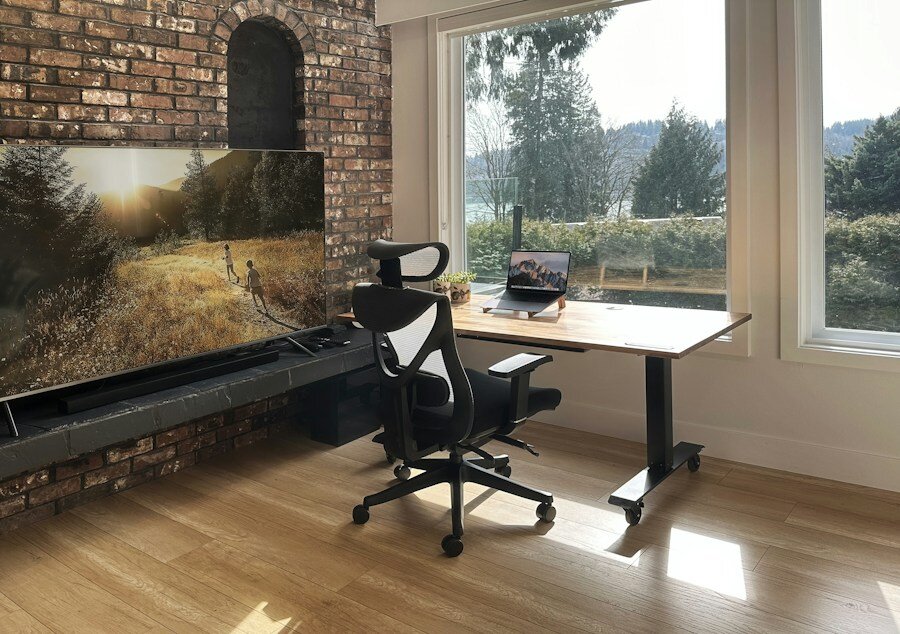
Step-by-Step Instructions
- Build the frame. Cut 1x3 strips to form a 24 x 48 inch rectangle. Glue and nail the corners, then add a cross brace at the center so the panel doesn't bow. Check that it's square by measuring both diagonals. They should match.
- Cut your core. Trim the fiberboard or acoustic insulation to 24 x 48 inches with a utility knife. Wear gloves and a mask for insulation, and cut slowly with a straightedge.
- Fit the core and cover layer. Set the core into or onto the frame. For fiberboard, wrap a layer of thin batting around it. For insulation, wrap it in scrim so no fibers escape through the fabric later.
- Cut the fabric. Lay the fabric face down on a clean floor and place the panel on top. Cut with about 3 inches of overlap on every side. Press out any fold lines first, since heavy fabric holds creases.
- Staple the long sides. Start at the center of one long edge, pull the fabric snug and place a staple on the back of the frame. Move to the opposite edge, pull firmly and staple. Work outward from the center in both directions, about every 2 inches.
- Staple the short sides. Repeat on the two ends. Pull tight but not so hard that the weave distorts. You want smooth, not drum-tight.
- Fold the corners. Pull the corner fabric straight toward the center, fold each side in like a gift wrap and staple flat. Trim any excess bulk so the panel sits flush against the wall.
- Add mounting hardware. For a permanent install, French cleats are the strongest option. Cut a 1x4 board lengthwise at a 45 degree bevel, screw one half into wall studs and the other to the back of the panel. For renters, use heavy-duty hook-and-loop hanging strips, and always check the weight rating. A fiberboard panel weighs a few pounds, while an insulation-core panel can weigh more.
- Hang and adjust. Lift the panel onto the cleat or press the strips firmly for 30 seconds. Leave a 1/4 to 1/2 inch gap between panels so they read as a crisp grid instead of one lumpy wall.
How Do You Match a Pattern Across Several Panels?
Cut every panel from the same continuous length of fabric, and match the pattern repeat before you cut each one. Aligning the pattern is what makes separate panels read as one wall.
Lay the fabric flat, mark the top of the pattern on each cut and cut panels in order. Lay them side by side on the floor before stapling to confirm that stripes, geometrics or large motifs line up. Keep the nap direction the same on velvet and chenille too, because the pile catches light differently when it runs the wrong way. A good rule: buy one extra repeat per panel, and add 10 percent overall for mistakes.
Want zero stress? A solid upholstery fabric needs no matching, and you can railroad it to save yardage. If you love a pattern, keep the repeat small and the gap between panels consistent.
Which Upholstery Fabrics Work Best?
Chenille, tight wovens and flat-weave solids work best because they hide staples and breathe well. Chunky loop textures like boucle look beautiful but can snag around pets, so save them for a headboard wall out of paw range.
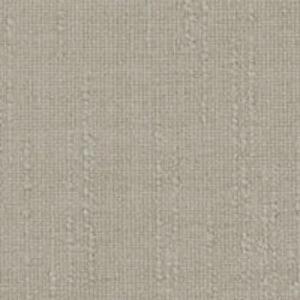
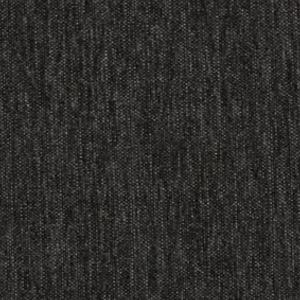
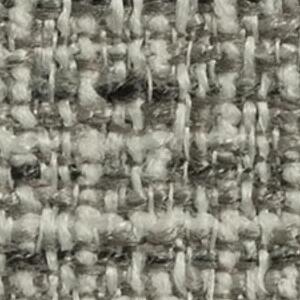
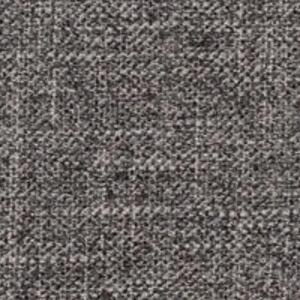
For a cozy fall mood, chenille upholstery fabrics bring a soft, plush hand that looks rich in lamplight. Chenille is criminally underrated for walls. For a calm home office, try a grey woven upholstery fabric, which stays neutral on video calls and hides dust. Planning a headboard-style wall behind the bed? A cream woven upholstery fabric brightens a dark room and pairs with wood tones and wool throws. Here are a few options to get you started:
Shop Woven Upholstery Fabrics
Tips for Better Panels
- Test-staple on a scrap first. Dense fabric sometimes needs a longer staple or a firmer squeeze of the gun.
- Keep panels away from heaters, radiators and direct sun, which can fade fabric and dry out the weave.
- Vacuum monthly with a soft brush attachment. Spot clean only as the cleaning code allows.
- Staple a small hang tag or label on the back so you remember the order of the panels if you ever take them down.
- For a headboard effect, make the panels wider than the bed by 6 to 12 inches on each side so it looks intentional.
- Don't skimp on the corners. Neat folds are what separate handmade from homemade.
Frequently Asked Questions
Q: Do fabric wrapped wall panels really reduce noise?
Yes, when they have an acoustic core. A 2 inch rigid fiberglass or mineral wool board behind breathable upholstery fabric absorbs echo and reduces reverberation. Fiberboard alone adds softness but only minimal sound absorption.
Q: How much fabric do I need for a 2x4 foot wall panel?
You need about 1.75 yards of 54 inch wide upholstery fabric for a 2x4 ft panel with a 2 inch core, or about 1.5 yards for a 1 inch core. On 60 inch wide solid fabric, you can railroad the cut and use just 1 yard.
Q: Can renters hang fabric wall panels without damaging walls?
Yes. Heavy-duty hook-and-loop hanging strips can hold lightweight panels without nails or screws. Check the weight rating on the package, and use a French cleat only if your lease allows screws into the wall.