
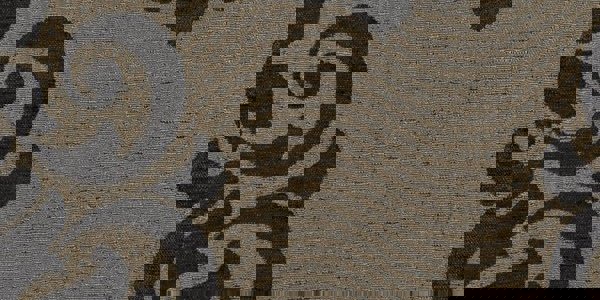
Choosing the right spring upholstery fabric is about more than picking a color you like on a swatch. Your sofa, armchair, or window seat exists inside a room, and that room already has a personality. The wall color sets the tone, and your fabric choice either pulls the whole look together or quietly fights it. The good news? Once you understand a few basic principles, matching fabric to your existing palette gets a lot more intuitive. This guide is specifically built around popular spring wall colors, so you can shop with confidence instead of second-guessing yourself at checkout.
Why Wall Color Should Drive Your Fabric Decision
Your walls cover more square footage than any single piece of furniture. That makes them the dominant visual element in any room. When you bring in upholstery that clashes, it doesn't matter how beautiful the fabric is on its own. It'll feel off. When you bring in fabric that harmonizes, even a simple linen sofa can make a room feel intentional and pulled together.
Spring is especially good timing for this kind of refresh. The season naturally pushes us toward lighter, fresher palettes. Soft whites, muted sage greens, warm greys, and blush tones are all having a strong moment in home decor right now, and they're also genuinely livable colors that don't go out of style in two years. Here's how to work with each one.
Photo by Amit Lahav on Unsplash
What Fabrics Work Best with Soft White and Cream Walls?
Soft white and cream walls are the most forgiving backdrop you can work with. They reflect light well and don't compete with much. That said, they can read as flat or sterile if your upholstery doesn't bring some warmth or texture.
The best approach here is to layer texture rather than lean heavily on color contrast. A cream or warm white boucle fabric on a sofa against a soft white wall creates a tone-on-tone look that's sophisticated without being cold. Boucle's looped, textured surface catches light differently throughout the day, which adds visual interest even when the color palette is minimal.
If you want a little more warmth, chenille is honestly one of the most underrated fabrics you can put in a living room. It has a soft sheen and a subtle ribbed texture that reads as cozy and refined at the same time. In a warm sand or ivory tone, it's beautiful against soft white walls. Chenille also tends to have strong durability ratings, often reaching 15,000 to 30,000 double rubs. A double rub count measures how many back-and-forth friction cycles a fabric can withstand before showing wear, and for a family home, you generally want at least 15,000.
Other strong options for white and cream walls:
- Linen in natural or oatmeal tones for a relaxed, organic feel
- Cotton in soft floral prints to bring in spring color without overwhelming the space
- Velvet in blush or dusty rose for a contrast that feels intentional, not jarring
Pale Green Walls Are Having a Moment. Here's What to Put With Them.
Sage, muted mint, and dusty eucalyptus are everywhere in spring home decor right now, and for good reason. These greens feel fresh without being loud, and they pair beautifully with natural, earthy fabrics.
For pale green walls, your best fabric allies are neutral earth tones with real texture. A woven fabric in warm camel, cream, or terracotta will ground the cool green without competing with it. Woven upholstery fabrics are typically made with interlocking yarns that create tight, durable structures. Many woven options achieve Martindale abrasion ratings of 25,000 cycles or more. The Martindale test is the European standard for measuring fabric durability, similar to the double rub count used in North American testing.
Linen is another natural pairing for green-walled rooms. Its slightly irregular, breathable weave complements organic, nature-inspired palettes without trying too hard. For a bolder spring look, consider a floral print that picks up the green from the walls and layers in additional spring tones like yellow, blush, or white. A floral that pulls color from the wall rather than fighting it is the easiest way to make a patterned fabric feel intentional.
One fabric to avoid with pale green walls: busy multi-colored stripes. They tend to create visual noise instead of harmony in a space where the wall is already doing a lot.
How to Choose Upholstery Fabric for Warm Grey Walls
Warm grey is a versatile, popular wall color that bridges cool and warm tones. The key word here is "warm." A true warm grey has beige or taupe undertones, and it responds differently to fabric choices than a cool, blue-based grey.
For warm grey walls, fabrics in dusty blue, soft teal, and blush all work really well because they provide contrast without clashing. A velvet sofa in dusty blue or teal is one of the cleanest-looking combinations you can create in a living room right now. Velvet gets a bad rap for being high-maintenance, but solution-dyed velvet and performance velvets are genuinely easy to care for. Solution-dyed fabrics are made by adding color pigment to the fiber before it's spun into yarn, which means the color resists fading from sunlight and cleaning far better than surface-dyed alternatives.
If you prefer a more neutral upholstery approach, grey fabric in a lighter, warmer shade than the wall creates a layered, tonal effect. Add contrast through throw pillows or a patterned accent chair rather than putting all the color pressure on your main upholstered piece.
Fabrics that pair especially well with warm grey walls:
- Blue upholstery in dusty or slate tones
- Blush or soft pink velvet for a modern, warm contrast
- Boucle in warm white or ivory for a clean, textural look
- Jacquard fabrics with subtle pattern for added visual depth
Blush and Dusty Rose Walls: Fabric Choices That Won't Look Like a Valentine's Card
Blush walls are genuinely beautiful in spring, but they require a little restraint in your fabric choices. Too much pink-on-pink and the room starts to feel like a single mood board instead of a real living space.
The best approach with blush walls is to ground the room with deeper, more neutral upholstery. A warm grey or brown chenille sofa anchors the softness of a blush wall without erasing it. Sage green upholstery is another excellent option. It creates a botanical, spring-forward color story that feels collected and natural.
For those who want to lean into the softness, a cream or ivory linen or cotton fabric keeps the palette light and airy without doubling down on pink. Cotton upholstery fabrics with a tight weave can achieve double rub counts of 15,000 or higher, making them practical for everyday use in living rooms, not just decorative sitting rooms.
One fabric category that's perfect for blush rooms and often overlooked: stripes. A thin-striped fabric in cream and sage, or cream and warm tan, adds structure to a soft palette. It prevents the room from feeling too precious while staying completely on-trend for spring.
Durability Considerations for Spring Fabric Purchases
Before you fall in love with any fabric based on color alone, take a beat to think about how that piece is going to live in your home. A sofa in a high-traffic family room has very different needs than an accent chair in a bedroom.
For homes with kids or pets, prioritize fabrics with a double rub count of at least 25,000 for high-use pieces. Chenille, performance velvet, and vinyl all hit that range easily. Vinyl and faux leather are especially practical for pet owners since hair doesn't embed the way it does in looped or textured fabrics, and spills wipe clean immediately.
For lower-traffic pieces like accent chairs or decorative ottomans, you have much more freedom. Linen and lighter cotton weaves are perfectly suited here, especially for spring palettes. They breathe well and drape naturally, which adds to the relaxed, seasonal feel you're going for.
Also, pay attention to cleaning codes on fabric samples. A "W" rating means water-based cleaning is safe. An "S" means solvent only. A "WS" gives you both options. If you have kids and you see an "S" rating on a fabric you love for the main sofa, reconsider. It's a real limitation in daily life.
Frequently Asked Questions
Q: What upholstery fabric color works best with pale green walls?Natural, warm-toned fabrics work best with pale green walls. Linen in oatmeal or cream, woven fabrics in camel or terracotta, and floral prints that incorporate the wall's green tone all complement pale green without competing with it. Avoid busy multi-colored patterns, which tend to create visual noise against a green backdrop.
Q: How do I know if an upholstery fabric is durable enough for everyday use?Check the double rub count, which measures how many times a fabric can be rubbed back and forth before it shows wear. For high-use furniture like sofas and dining chairs, look for at least 15,000 double rubs for light use and 25,000 or more for homes with kids or pets. Chenille, performance velvet, and vinyl are among the most durable options available.
Q: Can I use velvet upholstery in a spring color palette?Yes. Performance and solution-dyed velvets work beautifully in spring palettes and are more practical than their reputation suggests. Dusty blue, blush, and sage green velvets all pair well with popular spring wall colors like warm grey, soft white, and cream. Solution-dyed velvet resists fading from sunlight and is easier to clean than traditionally dyed alternatives.