
Knowing how to measure furniture for upholstery fabric is the difference between a smooth first-try project and a second shipping charge for one measly yard. Fall is prime reupholstery season. The sofa is about to host movie nights, football Sundays, and a whole lot of holiday guests, so it's the perfect time to give it a fresh cover. The good news is that you only need a tape measure, a notepad, and about an hour.
What Do You Need Before You Start Measuring?
You need a flexible cloth tape measure, a notepad or graph paper, painter's tape, a phone for photos, and a piece of string. That's the whole kit. A cloth tape bends around curves in a way a metal one never will.
Here's the thing: measuring a piece of furniture is really measuring a set of flat panels. Every outside back, arm, seat deck, and cushion becomes a rectangle on paper. Once you think in panels, the whole job gets simple. As a rule, every upholstered piece is just a stack of rectangles that happen to be wearing a curvy disguise.
Take photos of the furniture from every angle before you touch it. If you plan to strip the old fabric off, those photos will save you when you can't remember how the arm panel wrapped.
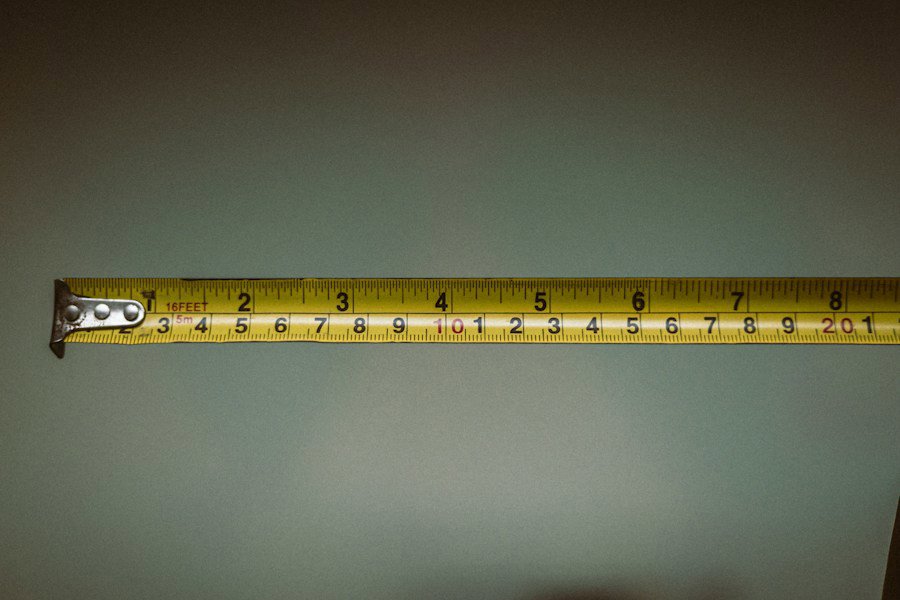
Photo by josh A. D. on Unsplash
Step-by-Step Instructions
- Label each section. Use painter's tape to mark the inside back, outside back, seat deck, inside arms, outside arms, arm fronts, front rail or skirt, and each cushion. Write the names on your notepad in the same order so nothing gets skipped.
- Measure every panel at its widest and longest points. Run the tape from the farthest edge to farthest edge, not the average. Fabric can be trimmed, but it can't be stretched back on. Write down width by length for each panel.
- Follow the curves with string. For rolled arms, curved backs, and anything that bows, lay the string along the surface, pin the endpoints, then measure the string flat. On tufted pieces, press the tape into the dips and follow the contour. A deeply tufted back can need roughly 20 to 30 percent more fabric than a flat one, so don't measure it as a flat rectangle.
- Add your allowances. Add 1/2 inch on every edge that gets sewn. Add 4 to 6 inches on the inside back and seat deck edges for tuck-ins, the fabric that gets pushed down into the crack between the seat and the back. Add 2 to 3 inches on panels that wrap under and get stapled to the frame.
- Plan your welting. Welting is the cord-filled trim along seams and cushion edges. Measure the total length of every seam you want piped and add 10 percent. One yard of 54-inch fabric yields roughly 20 yards of 2-inch bias welt strips after waste, so it rarely needs more than a yard.
- Sketch a cut plan. Draw a long rectangle that's 54 units wide, and let one square equal one inch if you're using graph paper. Draw each panel inside it as a labeled block, fitting small pieces beside big ones. Pieces wider than about 52 inches can't sit across the bolt and need to be rotated.
- Convert inches to yards. Add up the length of the fabric your cut plan uses, then divide by 36. That number is your base yardage.
- Add a safety margin. Add 10 percent for a solid fabric, or one full pattern repeat per panel for a patterned one. Round up to the next half yard. A little extra costs far less than a mismatched dye lot.
How Do You Convert Inches to Yards on a 54-Inch Bolt?
Divide your total fabric length in inches by 36, because one yard equals 36 inches. A standard upholstery bolt is 54 inches wide, and you're buying length only.
Here's a worked example for four dining chair seats. Each seat pad is 20 by 20 inches. Add 3 inches on every side for wrapping and stapling, and each piece becomes 26 by 26 inches. Two pieces fit side by side across a 54-inch width (52 inches), so four seats need two rows, which is 52 inches of length. Divide 52 by 36 and you get 1.44, which rounds up to 1.5 yards.
The key fact: width is fixed, length is what you pay for. Usable width is closer to 52 inches once you subtract the selvage, the tightly woven edge that frays less and often has printed text.
Photo by Chiara Guercio on Unsplash
How Much Fabric Does Each Piece of Furniture Usually Take?
A dining chair seat takes about 1/2 yard, an armchair takes 6 to 8 yards, and a three-seat sofa takes 12 to 16 yards in a plain fabric. Treat those as ballpark numbers, because bulky arms, skirts, and tufting can push them up.
- Dining chair seat: About 1/2 yard each, or 1.5 yards for a set of four. A full upholstered back adds roughly 1/2 yard per chair.
- Box cushion (24 by 24 by 5 inches): About 1 yard with welting. You need two 25 by 25 inch panels plus a 6 inch wide boxing strip around the edge.
- Armchair: 6 to 8 yards for a standard club or accent chair.
- Loveseat: 9 to 12 yards.
- Sofa: 12 to 16 yards. Add 2 to 4 yards for a skirt, a tufted back, or loose back pillows.
Patterned fabric is a different story. Stripes, florals, and geometrics need their pattern repeat matched, which is the distance before the design starts over. A large repeat can add 20 to 30 percent to your total, so measure the repeat on the fabric page before you order.
What Mistakes Leave You a Half-Yard Short?
The most common culprits are forgetting tuck-ins, measuring tufting as flat, ignoring pattern repeat, and skipping the cut plan. Any one of them can cost you 1/2 yard or more.
- Skipping tuck-in allowances. Those 4 to 6 inches along the seat and back edges add up fast on a sofa.
- Measuring across the top of tufting. The tape needs to dip into the folds. Otherwise your panel comes out too short.
- Forgetting nap direction. Velvet, chenille, and corduroy have a nap, meaning the pile lies one way. Every piece must run the same direction, which limits how you can rotate panels on the cut plan.
- Ignoring the 54-inch ceiling. A 58-inch outside back can't sit across the bolt. It has to run lengthwise and eats more yardage.
- Buying exactly what you calculated. One mis-cut panel and you're out of luck. Honestly, the 10 percent buffer is the cheapest insurance in upholstery.
- Reordering later. Dye lots vary, so a second order may not match the first.
Which Fabrics Hold Up Best for Family and Pet Households?
Look for a double rub count of at least 15,000 for heavy residential use. A double rub is one back-and-forth pass of a machine during the Wyzenbeek abrasion test, and commercial seating usually starts at 30,000. The Martindale test is the European equivalent, and 20,000 cycles or more suits heavy domestic use.
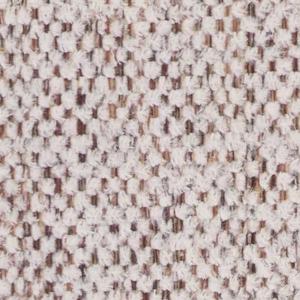
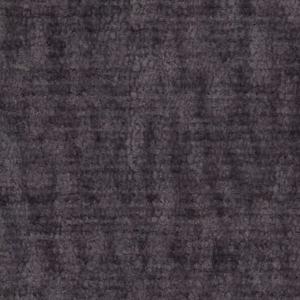
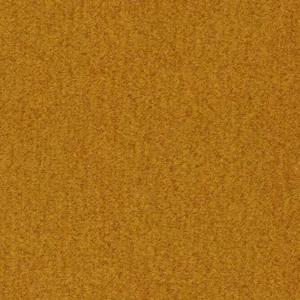
For homes with kids and pets, chenille upholstery fabrics are criminally underrated. The dense, soft weave hides everyday wear, and it feels cozy when the temperature drops. If you want a sleek look that wipes clean, velvet upholstery fabrics offer a tight pile that's less snag-prone than people expect. Velvet gets a bad rap, honestly. Looped textures such as boucle look great but can catch on claws, so they suit calmer households.
Ready to see what's available by the yard? Here's a look at some fabrics you can order once your measurements are done.
Shop All Upholstery Fabrics
Quick Tips Before You Order
- Measure twice, cut once. Ask a second person to check your numbers. A transposed digit is a sneaky way to lose a yard.
- Order a swatch first. Check the color in your actual room lighting. Fall light is lower and warmer, which can change how a color reads.
- Keep the old fabric. If you strip the furniture, use the old pieces as patterns, then compare your measurements against them.
- Watch for deals. Check the upholstery fabric sale page if you need a lot of yardage for a sofa. Savings add up quickly over 14 yards.
- Pre-plan for cleaning. Pick a fabric you can vacuum weekly and spot-clean. Many performance weaves tolerate a gentle cleaner, but always test a hidden corner first.
Your Yardage Worksheet Checklist
- Photograph the furniture from every angle.
- Label every panel with painter's tape: inside back, outside back, seat deck, arms, front, cushions.
- Record width by length at the widest points for each panel.
- Use string on curves and press the tape into tufting folds.
- Add 1/2 inch seam allowance on sewn edges.
- Add 4 to 6 inches for tuck-ins and 2 to 3 inches for staple wraps.
- Measure welting runs, then add 10 percent.
- Draw your cut plan on a 54-inch-wide grid.
- Add up the total length in inches and divide by 36.
- Add 10 percent for solids, or a pattern repeat per panel for patterned fabric.
- Round up to the next half yard.
- Check that the fabric's double rub count suits your household.
Once your number is ready, browse all upholstery fabrics by the yard and order enough to finish the project in one go.
Frequently Asked Questions
Q: How many yards of fabric do I need to reupholster a sofa?
A standard three-seat sofa usually needs 12 to 16 yards of 54-inch-wide fabric in a solid color. Add 2 to 4 more yards for a skirt, deep tufting, or loose pillows, and add a pattern repeat per panel for patterned fabric.
Q: How do you convert inches to yards for upholstery fabric?
Divide the total fabric length in inches by 36, since one yard is 36 inches. For example, 108 inches of length divided by 36 equals 3 yards. Upholstery fabric is typically 54 inches wide, so you only calculate length.
Q: Should I order extra upholstery fabric?
Yes. Order about 10 percent more than you calculate for solid fabric, and round up to the next half yard. Extra fabric covers cutting mistakes, nap direction, and pattern matching, and it protects you from dye-lot differences if you reorder later.