
If you've ever pulled your patio cushions out of winter storage only to find them looking like they spent six months on the surface of the sun, you already know the frustration. Fading outdoor upholstery fabric is one of the most common complaints homeowners deal with during summer, and the truth is, most of it is preventable. This guide covers how to stop UV damage before it starts, how to treat fabric that's already showing signs of color loss, and how to store your pieces properly in garages, sheds, or covered patios so they come back looking great season after season.
Why Does Outdoor Upholstery Fabric Fade So Fast in Summer?
UV radiation is the primary cause of color degradation in outdoor upholstery fabric. Even fabrics stored under a covered patio are exposed to reflected and ambient UV light, which breaks down the dye molecules in the fiber over time. Standard solution-dyed acrylic fabrics, like those used in Sunbrella and similar performance lines, resist fading significantly longer than piece-dyed or printed fabrics because the color is locked into the fiber during manufacturing rather than applied on top. A solution-dyed acrylic fabric can retain its color integrity for up to 1,000 hours of direct UV exposure under standardized testing conditions, compared to far shorter lifespans for conventionally dyed fabrics.
Heat makes it worse. Garages and sheds trap warmth, and when fabric is stored improperly in those environments, heat accelerates the breakdown of dye bonds. Moisture compounds the problem by encouraging mildew, which can cause permanent discoloration that looks a lot like fading but is actually biological damage. Honestly, your storage habits matter just as much as the fabric itself.
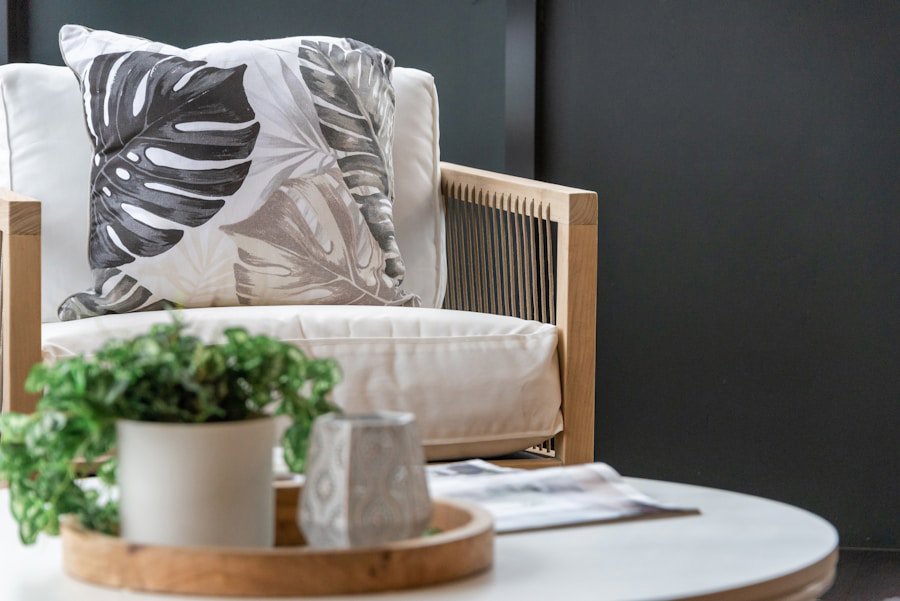
Photo by Steven Ungermann on Unsplash
What Types of Outdoor Fabric Hold Up Best Against UV Exposure?
Solution-dyed acrylic is the gold standard for UV resistance in outdoor upholstery. The dyeing process saturates each individual fiber with color, so there's nothing sitting on the surface to bleach away. Performance fabrics rated for outdoor use typically carry a double rub count of 15,000 or higher. Double rub count measures how many back-and-forth abrasion cycles a fabric can handle before showing wear, and for outdoor seating that gets heavy use, you want a number in that range at minimum.
Beyond solution-dyed acrylic, olefin (also called polypropylene) is another solid option. It's naturally hydrophobic, resists fading reasonably well, and tends to be budget-friendly. Vinyl and faux leather fabrics hold color differently since they don't absorb UV the same way woven textiles do, but they can crack and stiffen in heat without proper conditioning. Avoid storing natural fiber fabrics like untreated cotton, linen, or chenille outdoors or in poorly ventilated spaces during summer. Those fibers absorb moisture, fade unevenly, and are much harder to restore once the damage is done.
If you're shopping for replacement fabric and want something that genuinely fights back against summer sun, look for fabrics labeled as solution-dyed or UV-stabilized. Our upholstery fabric collection includes performance options well-suited for high-exposure environments.
Step-by-Step Instructions
- Clean the fabric thoroughly before storage or seasonal use. Dirt, pollen, sunscreen residue, and oils all accelerate UV damage by sitting on the fiber surface and trapping heat. Use a mild soap and lukewarm water, scrub gently with a soft-bristle brush, and rinse completely. Let the fabric air dry in a shaded spot before moving to the next step. Storing damp fabric is one of the fastest ways to invite mildew.
- Apply a UV-protective fabric spray. Products like 303 Fabric Guard or similar fluoropolymer-based sprays create an invisible barrier that reflects UV radiation and repels moisture. These sprays are safe for most woven outdoor fabrics and should be reapplied every season. Spray evenly from about 6 to 8 inches away, let it soak in, and allow it to cure for at least 24 hours before the fabric is exposed to direct sun or rain. Don't skip this step. It makes a noticeable difference.
- Condition vinyl and faux leather separately. Vinyl and faux leather upholstery don't respond to fabric sprays the same way. Use a dedicated vinyl conditioner to prevent cracking and stiffness during storage in warm garages or sheds. Apply it with a clean cloth, buff lightly, and let it absorb. This step also helps maintain color saturation in vinyl, which tends to develop a chalky appearance when it dries out.
- Wrap or bag cushions in breathable storage covers, not plastic. Plastic bags and airtight bins trap moisture and heat, which is the opposite of what you want. Use breathable cotton storage bags, canvas covers, or purpose-built patio cushion storage bags with ventilation panels. If you're stacking cushions in a shed or garage, place a sheet of clean cotton muslin between each one to prevent color transfer and allow airflow.
- Store pieces away from windows and light sources in the garage or shed. Even indirect light coming through a garage window causes cumulative UV damage during storage. Position stored cushions and upholstered furniture against interior walls, away from any light exposure. If you have shelving, store fabric items on lower shelves where temperature fluctuations are less extreme than near the ceiling.
- Use silica gel packets to control humidity inside storage containers. For cushions stored in bins or bags, tuck a few silica gel packets inside. They absorb excess moisture and reduce the chance of mildew developing during long storage periods. Replace or recharge them at the start of each season.
- Install UV-blocking shade cloth on covered patios where furniture stays out. If your furniture lives on a covered patio year-round, standard patio covers often let in more UV light than most people realize. A 95% UV-blocking shade cloth installed over or alongside your existing patio cover significantly reduces light exposure. Look for shade cloth rated at 95% UV block, which filters the vast majority of damaging radiation while still allowing airflow.
- Rotate cushion positions regularly throughout summer. If your patio gets directional sun, one side of your furniture takes more UV than the other. Flip and rotate cushions every few weeks to ensure even exposure across the fabric surface. It's a small habit that noticeably extends color uniformity.
- Treat faded fabric with a color-restoring fabric paint or dye, if the damage is minor. For fabrics that have already lost some vibrancy, fabric paint products like Jacquard Textile Color or SoSoft Fabric Acrylics can restore surface color on synthetic outdoor fabrics. This is not a permanent fix for heavily faded pieces, but for minor color loss it works surprisingly well. Test on a hidden area first, thin the paint slightly with water, and apply in thin even coats with a foam applicator. Let each coat dry completely before adding the next.
- Reassess and replace fabric that's structurally compromised. Color fading is often the visible symptom of deeper fiber degradation. If the fabric feels brittle, tears easily, or has developed thinning spots, UV damage has broken down the fiber structure and no amount of treatment will restore it. That's the point where reupholstering with a fresh, UV-stable fabric is the smarter investment. Replacing fabric on outdoor furniture is generally straightforward, and choosing the right material upfront means you'll go much longer before you're in this situation again.
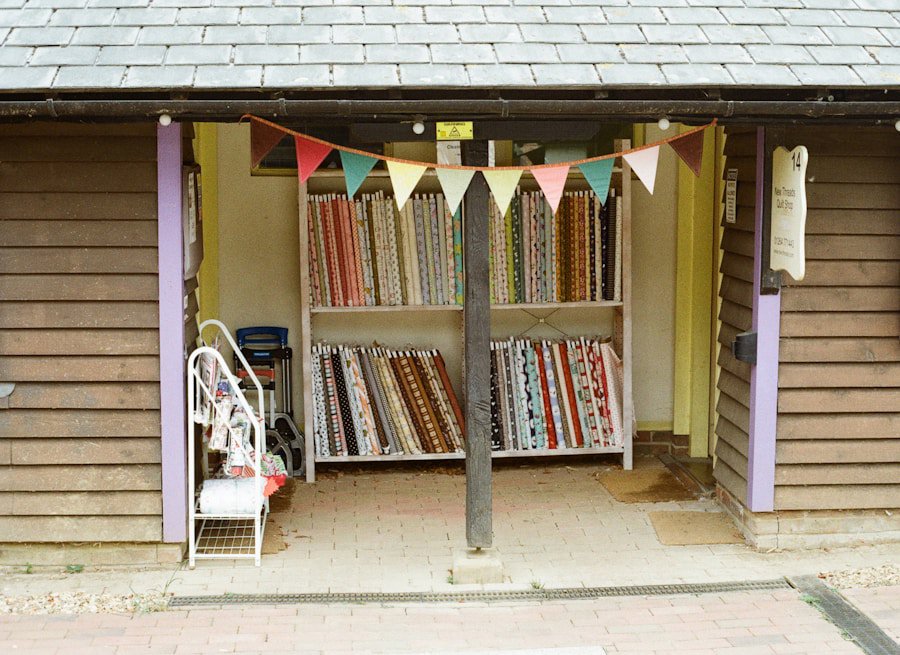
Photo by Tanya Barrow on Unsplash
Quick Tips and Troubleshooting
If your fabric smells musty after storage: Lay it flat in a shaded, well-ventilated area for several hours before applying any treatments. A light spritz of diluted white vinegar (one part vinegar to three parts water) neutralizes most mildew odors without damaging synthetic fibers. Let it air out completely before use.
If the UV spray seems to be beading unevenly: The fabric surface probably still has residue or oils on it. Re-clean with a dedicated fabric cleaner, let it dry completely, and reapply. UV sprays need a clean, dry surface to bond properly.
If you're not sure whether your fabric is solution-dyed: Check the product label or manufacturer specs. Solution-dyed fabrics are often marketed explicitly as fade-resistant or UV-stabilized. If you bought fabric without that label and it's sitting in direct sun all summer, plan on UV spray applications every 8 to 10 weeks as a practical workaround.
For velvet and decorative fabrics that accidentally ended up outdoors: Velvet gets a bad rap for being delicate, but the real issue outdoors is that most velvet is not solution-dyed and the pile traps moisture. Get it inside and into controlled storage as soon as possible. Apply a dry fabric protector, not a water-based spray, and keep it in breathable storage well away from any light or heat source.
The bottom line is this: outdoor upholstery fabric fading is largely a maintenance story, not a quality story. Even excellent fabrics will fade prematurely without the right seasonal prep. The steps above give you a reliable routine that takes maybe an afternoon each season and pays off every time you sit on furniture that still looks like you actually take care of it.
Frequently Asked Questions
Q: What is the best fabric to use for outdoor furniture that won't fade?Solution-dyed acrylic is the best outdoor upholstery fabric for fade resistance. Because the color is embedded into each fiber during manufacturing rather than applied on the surface, it holds up against UV exposure far longer than conventionally dyed fabrics, often retaining color through 1,000 or more hours of direct UV exposure under standardized testing conditions.
Q: Can you restore color to outdoor upholstery fabric that has already faded?Yes, for minor fading you can restore color using fabric paint or textile dye products designed for synthetic fibers. Apply in thin, even coats with a foam applicator after cleaning the surface thoroughly. For severe fading where the fiber itself feels brittle or weakened, the fabric has experienced structural UV damage and replacement is the better option.
Q: How do I store outdoor cushions in a garage without them getting damaged?Store outdoor cushions in breathable fabric bags or cotton covers, never in sealed plastic bags or airtight bins. Keep them away from windows and light sources, place silica gel packets inside storage bags to control humidity, and apply a UV-protective fabric spray before storage. Avoid stacking cushions directly against each other without a breathable layer in between to prevent color transfer and allow airflow.