
If you've got a basket of leftover fabric from reupholstering a chair or sewing curtains, don't let it collect dust. Learning how to recover a hardback lampshade is one of the best ways to use up those odd-shaped scraps, and fall is a perfect time for it since everyone's refreshing lamps and side tables for cozier evenings. The trick isn't just slapping fabric on a frame with glue. It's picking a weight that wraps tight and smooth without bunching, bubbling, or weighing down the shade so much it warps the frame.
What Fabric Weight Works Best for Recovering a Lampshade?
The best fabric for recovering a lampshade weighs between 6 and 10 ounces per square yard, which is lighter than upholstery-grade vinyl or chenille but heavier and more stable than quilting cotton. That middle-weight range is the sweet spot: thin enough to bend cleanly around curved frames, but substantial enough to hide glue lines and seam allowances without them showing through.
Vinyl and faux leather might seem durable, but they're stiff in the wrong way. They don't stretch or ease around a drum shade's curve, so you end up with creases at every seam. Thick chenille has the opposite problem: gorgeous texture, but too much loft. It adds bulk at the overlap seam and can make a shade look puffy instead of tailored. Honestly, chenille is criminally underrated for furniture, but a lampshade is not its moment to shine.
Photo by Markus Winkler on Unsplash
Why Do Linen and Cotton Hold Shape Better Than Quilting Cotton?
Linen and mid-weight cotton hold their shape on a lampshade frame better than quilting cotton because of fiber stiffness and yarn density, not just thickness. Quilting cotton is woven from fine, tightly spun yarns meant to drape softly for quilts, which means it has almost no body of its own. Once you wet it with glue, it can ripple or sag before it sets.
Linen is woven from flax fibers that are naturally stiffer and less elastic than cotton bolls, which gives the finished cloth a bit of built-in structure. That's exactly what you want when you're stretching fabric across a wire frame and need it to stay put while the adhesive cures. Upholstery-weight linen upholstery fabric in particular holds a crisp edge at the top and bottom rings of a shade, something thin cotton just can't manage without an iron-on interfacing backup.
Here's a fact worth citing if you're comparing options: fabric with a plain, tight weave (over 100 threads per inch) resists fraying at cut edges far better than loosely woven decorative cottons, which matters a lot when you're trimming close to a metal frame with no hem allowance.
Fabric Types to Skip for This Project
- Vinyl and faux leather don't ease around curves and show every crease at the seam.
- Thick chenille and boucle add too much bulk at the overlap and can distort the frame's silhouette.
- Loosely woven decorative fabrics fray badly when trimmed close, since there's no hem to fold under.
- Quilting cotton is fine for small drum shades but tends to sag on anything larger than about 10 inches tall.
Step-by-Step Instructions
- Measure your shade. Wrap a tape measure around the widest point (usually the bottom ring) and note the height along the slant. Add 1 inch to both measurements for overlap and trim allowance.
- Sort your scraps by weight. Lay out your leftover pieces and pick one that's mid-weight, ideally an upholstery linen, cotton blend, or tight woven fabric rather than anything with pile or heavy backing.
- Make a paper template. Roll the shade across a sheet of kraft paper or newspaper, tracing the top and bottom edges as you go. This gives you a flat pattern that accounts for the taper of a drum or empire shade.
- Cut the fabric. Lay your template on the fabric, aligning the grain so the pattern (if any) runs straight up and down, then cut with about half an inch extra on all sides for wiggle room.
- Test your glue on a scrap first. A fabric-safe spray adhesive or a thin coat of white craft glue works well. Some linens absorb glue faster than cotton blends, so a quick swatch test saves you from a blotchy finish.
- Apply adhesive in sections. Don't glue the whole shade at once. Work in 4 to 6 inch sections so the fabric doesn't set before you've smoothed out air bubbles.
- Wrap and smooth as you go. Starting at the seam, press the fabric onto the frame with your palm, then use a bone folder or the back of a spoon to smooth out bubbles and creases before the glue sets.
- Trim the top and bottom edges. Snip small notches along the excess fabric at the rings so it folds over cleanly without bunching, then glue it down flat to the inside of the frame.
- Finish with trim or bias tape. Cover the raw edges at the top and bottom rings with a matching or contrasting trim for a polished, no-visible-glue finish.

Photo by Anton Ryazanov on Unsplash
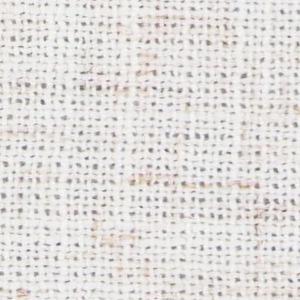
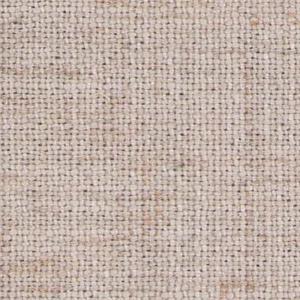
If you're shopping for a piece specifically for this project rather than pulling from scraps, a fat quarter or half yard is usually plenty for a standard shade. Cream and neutral tones tend to be the most forgiving for beginners since seam lines and glue marks are less noticeable, and a cream linen upholstery fabric pairs easily with almost any lamp base you already own. If your room leans moodier for fall, a grey linen upholstery fabric or brown linen upholstery fabric works just as well and hides fingerprints better than white ever will.
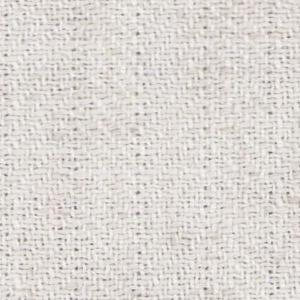
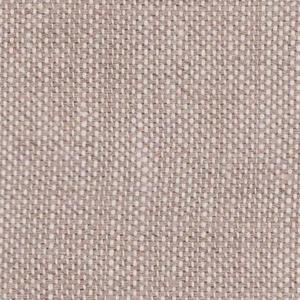
Once you've got your fabric sorted, everything else about this project is honestly pretty forgiving. Lampshades are small enough that mistakes are cheap to fix, and the whole project usually takes under an hour once your glue is dry-time friendly.
Tips for a Clean, Professional-Looking Finish
- Iron your fabric before cutting. Even a small wrinkle will telegraph through once it's glued to the frame.
- Work on a lazy Susan or turntable if you have one. Rotating the shade instead of your hands keeps tension even.
- Keep a damp cloth nearby to wipe glue off the outside of the fabric immediately. Dried glue on linen leaves a shiny patch that's nearly impossible to remove.
- If your fabric has a subtle woven texture, a woven upholstery fabric hides small imperfections in your wrap far better than a smooth solid.
- Let the shade cure fully (usually 24 hours) before putting the harp and bulb back in. Rushing this step is the number one cause of sagging fabric later.
Frequently Asked Questions
Q: Can you use any leftover fabric to recover a lampshade?
Not quite. Fabric that's too thin, like quilting cotton, tends to sag or ripple once glued, while fabric that's too thick, like chenille or vinyl, creates bulky seams. A mid-weight linen or cotton blend around 6 to 10 ounces per square yard gives the cleanest, most durable result.
Q: Do you need special glue to recover a lampshade with fabric?
A fabric-safe spray adhesive or a thin layer of white craft glue both work well for lampshades. The key is applying it in small sections so you can smooth out bubbles before it sets, rather than gluing the whole shade at once.
Q: How much fabric do you need to recover a hardback lampshade?
Most standard lampshades need less than half a yard of fabric. Measure the circumference of the bottom ring and the slant height, then add about an inch to each measurement for overlap and trim allowance before cutting your template.