
Your patio set has seen better days. The cushions are faded, the fabric is pilling, and one chair has that suspicious stain from last summer's barbecue. But here's the thing: the furniture itself is probably fine. The bones are solid. What's failing is the fabric, and that's a very fixable problem. This guide walks you through how to refresh your summer patio furniture with simple upholstery fabric swaps, turning worn-out seating into something that actually looks good without spending what a new set would cost you.
You don't need professional training to pull this off. You need the right fabric, a few basic tools, and a free weekend afternoon. Let's get into it.
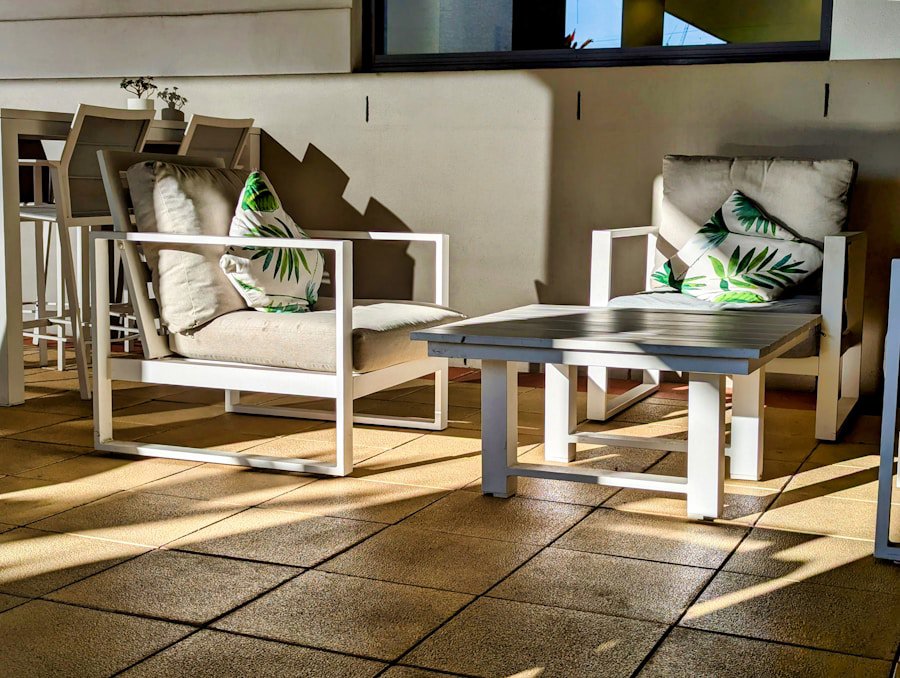
Photo by Phillip Flores on Unsplash
Why Outdoor Upholstery Fabric Is Different From Indoor Fabric
Outdoor upholstery fabric is engineered to handle conditions that would destroy a typical indoor fabric within a season. UV exposure, humidity, rain splatter, mildew, and the general punishment of outdoor living all require a fabric that's built differently from the ground up.
The gold standard for outdoor use is solution-dyed acrylic. This means the color is added to the fiber before it's even spun into thread, not printed or coated on top. The result is a fabric where the color lives all the way through the fiber, so UV rays can't strip it away from the surface. Solution-dyed acrylic fabrics typically resist fading for five or more years of outdoor exposure, which is why they're used in commercial hospitality settings like hotel pool decks and restaurant patios.
Vinyl is another strong outdoor option. It's completely waterproof, easy to wipe down, and holds up well in humid climates. If you have kids or pets treating your patio like an obstacle course, vinyl is genuinely hard to beat. It can feel warmer to sit on in direct summer sun, so factor that in if your patio gets full afternoon exposure.
Avoid cotton, linen, or standard woven fabrics for outdoor cushions unless they've been specifically treated for outdoor use. These absorb moisture, mildew quickly, and fade fast. They're beautiful indoors, wrong outdoors.
What Is the Best Fabric for Patio Cushions That Will Last?
Solution-dyed acrylic is the most durable and fade-resistant fabric for outdoor patio cushions, with a typical lifespan of five or more years in direct sun exposure. For high-traffic or wet environments, vinyl and treated faux leather also perform extremely well.
Beyond material type, look at the double rub count. A double rub count measures abrasion resistance: one "double rub" simulates someone sitting down and standing up from a cushion once. Fabrics rated at 30,000 double rubs or higher are considered heavy-duty for residential use. For outdoor furniture that gets regular use through a full summer season, aim for a fabric with at least 50,000 double rubs. Some vinyl and faux leather fabrics exceed 100,000 double rubs, which is why they're often used in commercial settings.
Honestly, faux leather is one of the most underrated choices for patio refresh projects. It has a clean, modern look, wipes down in seconds, and the quality options available today don't have the cracking and peeling problems that gave older versions a bad reputation. A good faux leather can handle poolside conditions without batting an eye.
Step-by-Step Instructions
- Assess your cushions and furniture frames. Before you buy a single yard of fabric, check what you're working with. Squeeze the cushion foam. If it springs back and holds its shape, keep it. If it's compressed flat or crumbling, replace the foam insert at the same time. Check the furniture frame for rust, loose joints, or structural damage. Reupholstering over a broken frame is pointless. A quick sand and coat of spray paint on metal frames while the cushions are off is a great bonus step that ties the whole refresh together.
- Measure your cushions accurately. Lay each cushion flat and measure the length, width, and depth (thickness). For a basic boxed cushion cover, you'll need enough fabric to cover the top, bottom, and a boxing strip that wraps around the sides. Add two inches to every measurement for seam allowance. If your cushions are an irregular shape, trace them onto paper first and use that as your cutting template. Measure twice. Cut once. Yes, it's a cliché. It's a cliché because people keep skipping it.
- Choose your outdoor upholstery fabric. For most patio cushion refreshes, you want a solution-dyed acrylic, a performance vinyl, or a faux leather. Consider color and pattern with the season in mind. Summer 2025 is leaning hard into warm naturals, terracotta, soft sage, and sandy neutrals, alongside bolder choices like deep teal and cobalt blue that hold up beautifully outdoors. Stripes are a perennial patio favorite and make cushions look intentionally designed rather than just recovered. If your patio has a lot going on visually, a solid in a grounding color does a lot of heavy lifting.
- Calculate and order your fabric. Take your measurements and add a 15 to 20 percent buffer for cutting mistakes, pattern matching, and irregular shapes. If you're recovering four standard chair cushions, you'll typically need between two and four yards depending on the cushion size and whether you're pattern-matching. Order a fabric swatch before committing to a full yardage order if you haven't seen the fabric in person. Colors photograph differently than they look in real light, and you want to be sure before you cut.
- Remove the old fabric carefully. Use a seam ripper or small flathead screwdriver to remove staples if the cushion cover is stapled to a base. If it's a slip cover style, simply unzip or pull it off. As you remove the old cover, pay attention to how it was constructed. Take a few photos before you fully disassemble it. That cover is your pattern. You can lay it flat, trace its pieces onto your new fabric, and replicate the construction almost exactly.
- Cut your new fabric. Use sharp fabric scissors, not craft scissors or kitchen shears. Lay your fabric flat on a large surface. Use the old cover pieces or your paper templates as your cutting guides. Pin the template to the fabric before cutting so it doesn't shift. If your fabric has a directional pattern or stripe, make sure all your pieces are oriented the same way before you cut. Getting this wrong is how you end up with a stripe running sideways on one cushion and lengthwise on another.
- Sew or staple the new covers. For sewn cushion covers, a basic sewing machine handles most outdoor fabrics without issue. Use a heavy-duty needle (size 16 or 18) and a polyester thread, which resists UV and moisture better than cotton thread. Stitch a half-inch seam allowance, reinforce the corners, and add a zipper or velcro closure at the back for easy removal later. If sewing isn't your thing, a staple gun works well for cushions that attach directly to furniture frames. Use stainless steel staples to prevent rust staining the fabric from the inside out.
- Reassemble and test the fit. Slip your new cover over the foam insert, close the zipper or tuck the overlap, and set it back on the furniture. Sit on it. Bounce a little. Check that seams aren't pulling and the fabric isn't bunching at the corners. Minor adjustments now are easy. Adjustments after you've put everything away are not.
- Treat your fabric if needed. Many outdoor fabrics are already water and stain resistant, but an additional spray treatment adds another layer of protection, especially for light-colored fabric. A fabric protector spray designed for outdoor use repels water and oil-based stains. Apply it in a well-ventilated space, let it dry fully before use, and reapply at the start of each season.
- Style your refreshed patio intentionally. New cushions deserve a supporting cast. Add an outdoor rug that picks up one of the colors from your fabric, swap out faded throw pillows, and consider a simple centerpiece on your patio table. The cushions will look more "designed" and less "recovered" when they're part of a cohesive outdoor setup rather than sitting alone on a tired-looking space.
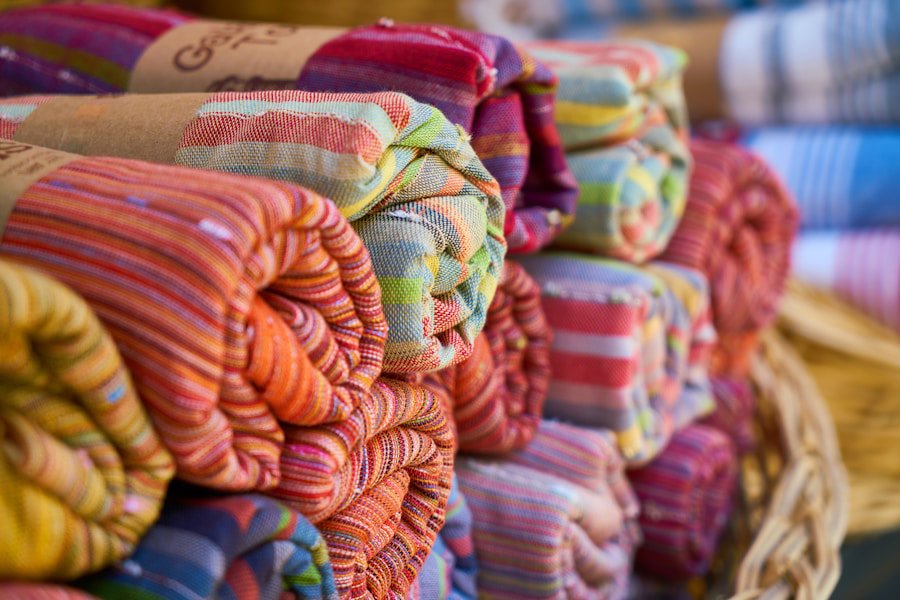
Photo by engin akyurt on Unsplash
What Fabric Colors and Patterns Work Best for Summer Patio Refresh Projects?
Warm neutrals, terracotta, and deep blues are the strongest performing color choices for summer 2025 patio refreshes, balancing trend relevance with long-term versatility. Stripe patterns are particularly effective for outdoor furniture because they read as intentionally designed rather than simply recovered.
If your patio furniture is a neutral metal or natural wood tone, you have a lot of freedom. Bold colors like cobalt blue, burnt orange, or deep green make a confident statement and look genuinely expensive against a simple frame. If your furniture is already a strong color, anchor it with a solid neutral in your cushion fabric. Cream, beige, and warm grey are all excellent choices that clean up well and photograph beautifully for those patio photos you're definitely going to take.
Patterns work especially well on larger cushions like chaise lounges and deep-seat chairs, where there's enough surface area for the design to read properly. On small accent chairs or bistro-style seating, a solid or a subtle texture tends to look more polished than a bold print that gets cut off by the cushion size.
Tips and Troubleshooting
- Fabric is puckering at the corners. This usually means the seam allowance at the corners wasn't clipped before turning. Clip a small diagonal notch at each corner (without cutting through the seam) and the fabric will lie flat.
- The cover is too tight over the foam. Foam compresses significantly when sewn in. If your cover is hard to close, try compressing the foam by hand for a minute before inserting it. If it's genuinely too tight, let out a quarter inch of seam allowance on each seam.
- Staples are pulling through the fabric. Use a wider crown staple and space them closer together, about every inch. If the fabric is particularly heavy, a washer staple or tack strip gives better holding power.
- Colors look different than the swatch. Always order swatches before full yardage. View them in outdoor light, not just indoors. Fabric colors shift significantly between indoor artificial lighting and natural sunlight.
- Mildew is showing up on the new fabric. Even mildew-resistant fabrics can develop surface mildew if cushions stay wet. Store cushions indoors or in a weatherproof box when not in use during humid stretches. A solution of one part white vinegar to three parts water removes light mildew from most outdoor fabrics without damaging the fiber.
Frequently Asked Questions
Q: Can I use indoor upholstery fabric for outdoor patio cushions?
Most indoor upholstery fabrics are not suitable for outdoor use. They absorb moisture, fade quickly in UV light, and can develop mildew within a single season. For outdoor cushions, use solution-dyed acrylic, performance vinyl, or faux leather specifically rated for outdoor exposure. If an indoor fabric has been treated with a weatherproof coating, check the manufacturer's specifications before using it outside.
Q: How much upholstery fabric do I need to recover patio chair cushions?
For a standard set of four patio chair cushions, plan on two to four yards of fabric depending on cushion size and whether you're pattern-matching. Measure each cushion's length, width, and depth, add two inches to each measurement for seam allowance, and add a 15 to 20 percent buffer to your total for cutting and adjustments. When in doubt, order slightly more than you think you need. Running short mid-project is far more frustrating than having a leftover piece for future repairs.
Q: What is the easiest upholstery fabric to clean for outdoor use?
Vinyl and faux leather are the easiest outdoor upholstery fabrics to clean because they're non-porous and can be wiped down with a damp cloth. Solution-dyed acrylic is also very low-maintenance and can typically be cleaned with a mild soap and water solution. Both fabric types resist staining well, making them ideal choices for households with kids or pets who treat the patio as an extension of the living room.