
If your kitchen counter stools have seen a few too many spilled coffees and late-night snack sessions, it's probably time to reupholster the bar stool seat instead of replacing the whole stool. Whether you've got round swivel pads that pop right out or square stationary seats bolted to a frame, the process is more forgiving than it looks. Grab a staple gun, set aside an afternoon, and let's get those seats looking new again before the holiday hosting season kicks into gear.
Step-by-Step Instructions
- Remove the seat from the base. Flip the stool upside down. Swivel bar stools usually have a round plate with 4 screws holding the seat to the swivel mechanism, so back those out with a drill or screwdriver. Stationary square seats might be attached directly to the frame with corner brackets, screws driven up through the seat, or sometimes just glued dowels, so check all sides before you force anything.
- Strip off the old fabric and padding. Pull the old staples with flat-head pliers or a staple remover tool, working around the edge. Peel back the fabric and take a look at the foam underneath. If it's flat, yellowed, or crumbling, this is the moment to swap in a fresh 1 to 2 inch foam disc rather than reusing tired padding.
- Use the old fabric as your cutting template. Lay the removed fabric flat and trace it onto your new material, adding an extra 1 to 2 inches all around for wrap allowance. No old fabric to work from? Trace the wood seat base directly and add the same margin.
- Measure for a snug wrap, not a loose one. A properly fitted piece should pull taut over the foam with enough slack to fold under and staple, but not so much that you get baggy pleats. For a 14 inch round seat with 1.5 inch foam, that generally means cutting a circle around 20 to 22 inches across.
- Center the fabric and staple the first four points. Place your fabric face-down, foam and seat base on top, then flip the whole stack over. Pull the fabric taut and staple once at the front, back, left, and right, like compass points, to lock everything in place before you commit to the rest.
- Work outward in small sections, pulling as you go. Staple every 1 to 2 inches, alternating sides so the tension stays even. Always pull the fabric taut before each staple. This is where puckering happens if you rush.
- Fold and tuck the corners on square seats. Square and rectangular seats need a hospital-corner style fold at each corner, like wrapping a gift box. Pull the fabric snug, fold the excess into a flat triangle, then staple it down flush so there's no bunched fabric peeking out from the sides.
- Trim excess fabric and reattach the seat. Cut away any bulky overhang with sharp scissors, leaving about a half inch margin past your staple line. Screw the seat back onto the base or swivel plate, and you're done.
Photo by Sam Moghadam on Unsplash
What's the Best Fabric for Bar Stool Seats?
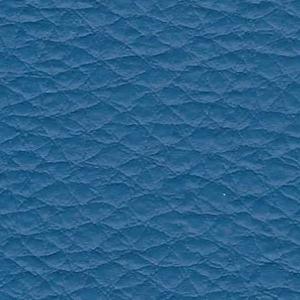
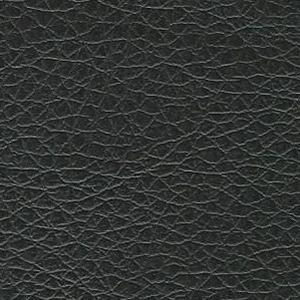
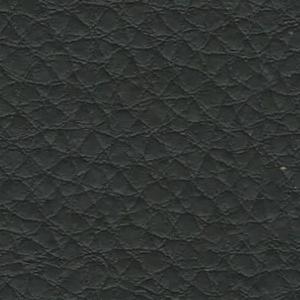
The best fabric for bar stool seats is a heavy-duty, wipeable material like vinyl, solution-dyed acrylic, or a tightly woven performance fabric rated for at least 15,000 double rubs. Kitchen counter stools take a beating from daily scooting, spills, and greasy hands, so cleanability matters more than it does on a formal dining chair.
Double rub count comes from the Wyzenbeek abrasion test, and anything above 15,000 is considered suitable for heavy residential use. If you're comparing fabrics by the Martindale test instead, look for 25,000 cycles or more. Vinyl and faux leather routinely blow past both benchmarks and wipe clean with just a damp cloth, which is exactly why they show up so often in restaurant and bar seating. Our vinyl upholstery fabrics collection has tons of options that handle spills without flinching.
Chenille is another sneaky-good option here. It's soft underhand but surprisingly dense, and a lot of our chenille upholstery fabric styles carry high double rub ratings while still feeling cozy against bare legs on a chilly fall morning. Honestly, chenille gets overlooked for kitchen seating way too often.
Round Swivel Pads vs. Square Stationary Seats: What's Different?
Round swivel pads and square stationary seats both get reupholstered with the same basic staple-and-wrap method, but the fabric math and fold technique differ. Here's how each one plays out in practice.
- Round swivel pads are usually easier for beginners. There are no corners to fuss over, and you're just working your way around a circle, pulling and stapling evenly like you're wrapping a drum.
- Square stationary seats demand a cleaner corner fold. Skip this step and you'll end up with lumpy fabric bunched at each corner, which is the number one complaint we hear from first-time DIYers.
- Pattern placement matters more on square seats since any directional print or stripe will show a mismatch if it's not centered before the first staple goes in.
- Foam thickness tends to run thinner on swivel pads (1 to 1.5 inches) versus stationary seats (up to 2 inches), which changes your wrap allowance slightly.
Solid colors and small-scale textures forgive a lot of mistakes on both shapes. If you're not confident about pattern matching yet, a solid upholstery fabric takes the guesswork out entirely.

How Do You Prevent Puckering When Stapling Fabric?
You prevent puckering by pulling the fabric taut in small, even sections and stapling in a crisscross pattern rather than working straight around the edge. Skipping around, front-back-left-right first, keeps tension balanced so the fabric doesn't bunch on one side while the other stays loose.
A quick expert rule of thumb: never staple more than 2 inches of fabric before pulling and checking tension again. Rushing a full side before checking the opposite side is the single biggest cause of puckered corners and wavy edges on a reupholstered seat. If you do spot a pucker after the fact, pull the nearest 3 to 4 staples, smooth the fabric flat, and re-staple with a firmer pull.
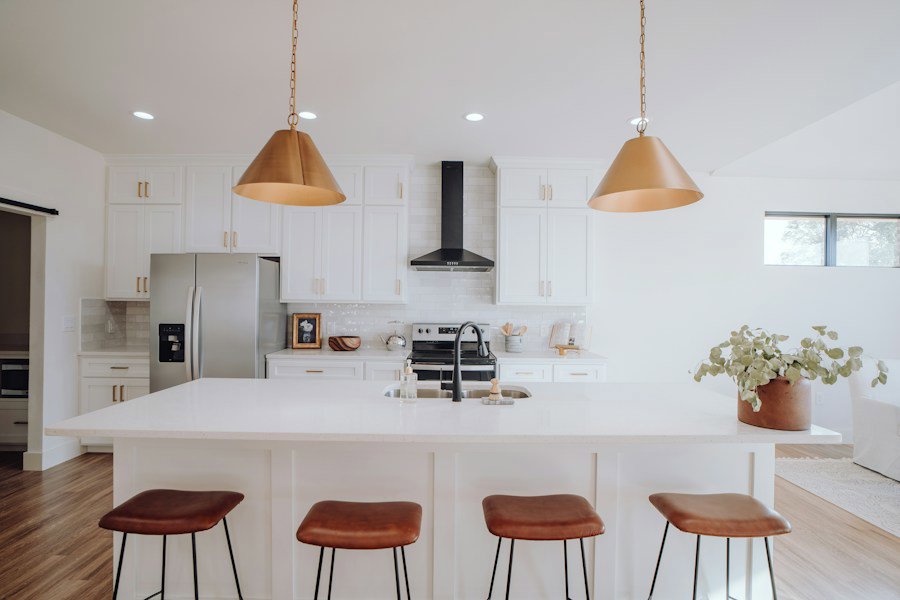
Photo by Bailey Alexander on Unsplash
Choosing a Wipeable, Heavy-Duty Fabric for Daily Use
Bar stools live where the mess happens, right at the counter or island, so cleanability should drive your fabric choice more than color or pattern. A few things to look for:
- Solution-dyed fibers have color woven into the fiber itself rather than sprayed on top, so they resist fading and won't bleed if you scrub at a wine stain.
- Vinyl and faux leather are essentially waterproof and wipe clean in seconds, making them the top pick for households with young kids or a dog that likes to greet everyone at the counter.
- Tightly woven chenille or woven textures add texture without sacrificing much durability, especially in darker tones like our grey chenille upholstery fabric, which hides everyday grime better than a pale linen ever could.
- Stain-resistant finishes like fluorine-free repellents add a layer of protection on woven fabrics without changing how they feel.
Fall entertaining season tends to mean more guests parked at the counter, so now's a smart time to swap in something that can handle a crowd. If you're working with a tight budget, check the upholstery fabric sale section before committing to full price.
Helpful Tips Before You Start
- Buy 10 to 15 percent extra fabric beyond your measurements to account for pattern matching and mistakes.
- Use a pneumatic or electric staple gun if you're doing more than 2 stools. A manual staple gun works, but your hand will thank you for the upgrade.
- Test your fabric's cleanability with a damp cloth and mild soap on a scrap piece before installing.
- Photograph the original seat construction before you disassemble anything so you remember where every screw and bracket goes.
- Round up staples with a small magnet after removing old fabric. Loose staples on a kitchen floor are nobody's idea of fun.
Frequently Asked Questions
Q: How much fabric do I need to reupholster a bar stool seat?
For a standard 14 to 16 inch round or square bar stool seat, plan on a piece roughly 22 by 22 inches, which gives enough wrap allowance to fold and staple underneath without stretching the fabric too thin.
Q: What is the most durable fabric for bar stool seats?
Vinyl and solution-dyed acrylic are the most durable choices for bar stool seats, since both resist stains, wipe clean easily, and typically test well above 15,000 double rubs on the Wyzenbeek abrasion scale, which is the industry benchmark for heavy residential use.
Q: Can you reupholster a bar stool without removing the old staples?
You can technically staple new fabric over old staples in a pinch, but it's not recommended, since leftover staples create lumps and prevent the new fabric from pulling tight and even. Removing the old staples takes an extra 10 minutes and gives a noticeably cleaner, longer-lasting result.