
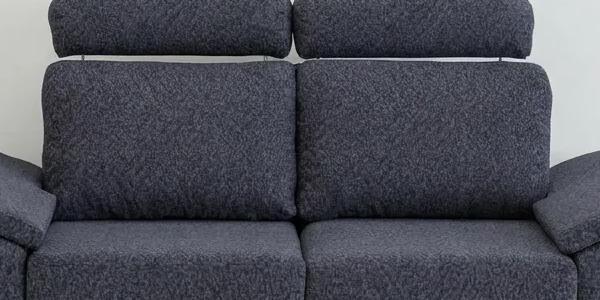
If your dining chairs have seen one too many spaghetti nights, learning how to reupholster a dining chair seat is one of the most satisfying weekend projects you can tackle. It's cheap, it's fast, and unlike most furniture repairs, you don't need to be handy to get a professional-looking result. Most dining chair seats can be stripped, re-padded, and re-covered in under 30 minutes per chair once you know the sequence. This guide walks through the whole process, plus how to pick a fabric that'll actually hold up to years of elbows, forks, and the family dog begging under the table.
What You'll Need Before You Start
Gather your supplies before you flip the first chair over. Missing tools mid-project is the fastest way to lose momentum.
- A staple gun (electric or heavy-duty manual) and 1/2-inch staples
- Flathead screwdriver or a staple remover/pliers
- Scissors or a rotary cutter for clean fabric edges
- New foam padding, if the old cushion is flattened or lumpy
- Your new upholstery fabric, cut with extra margin
- A drill or screwdriver to remove the seat from the chair frame
Photo by Viktor Talashuk on Unsplash
Step-by-Step Instructions
- Remove the seat from the chair frame. Most dining chair seats are attached with four screws underneath. Flip the chair over, unscrew the seat, and set the frame aside so you're not fighting the whole chair while you work.
- Strip off the old fabric and padding. Use your staple remover or flathead screwdriver to pop out every old staple. Go slow here, missed staples snag new fabric and cause lumps you'll notice later. Peel back the old fabric, then decide if the foam and batting underneath are worth keeping.
- Inspect and replace the padding if needed. If the foam is compressed, yellowed, or crumbling, cut a new piece of high-density foam to match the seat board shape and top it with a layer of polyester batting for a smooth, rounded finish.
- Cut your new fabric with enough margin. Lay the seat board on the back of your fabric and cut a piece roughly 3 to 4 inches larger on every side. That extra margin gives you enough material to pull, staple, and fold cleanly without running short at the corners.
- Staple the center of each side first. Center the fabric over the padded seat, flip it face-down, and staple the middle of the front edge, then the middle of the back edge, pulling the fabric taut as you go. Repeat on both sides. This "cross-staple" method keeps the fabric centered and prevents shifting.
- Work outward toward the corners. Continue stapling every inch or two along each side, alternating front to back and side to side, always pulling the fabric snug. Consistent tension is what separates a professional-looking seat from a wrinkled one.
- Fold and staple the corners. At each corner, pull the fabric diagonally over the point and fold the excess into two neat flaps, like wrapping a gift box. Staple each flap flat. This is the step most beginners rush, but a clean corner fold is what makes the whole seat look tailored.
- Add welting or trim if you want a finished edge. Welt cord (fabric-wrapped piping) hides staple lines and gives dining chairs a upholstered, tailored look. Glue it around the perimeter with fabric adhesive or hot glue after the main fabric is stapled down.
- Trim excess fabric and reattach the seat. Cut away any bulky overhang with sharp scissors, then screw the finished seat back onto the chair frame. Check that it sits flush and doesn't rock before calling it done.
What Fabric Weight Is Durable Enough for Dining Chairs?
For dining chairs, look for upholstery fabric rated at least 15,000 double rubs on the Wyzenbeek abrasion test, or 25,000+ cycles on the Martindale test, since these seats get more daily wear than almost any other seat in the house. Dining chairs take a beating from sliding in and out, kids climbing, and constant friction from clothing, so anything under 10,000 double rubs will show wear within a year or two.
Chenille, woven, and solution-dyed acrylic fabrics consistently test high on abrasion resistance while staying soft to sit on. Solution-dyed fabrics have color woven into the fiber itself rather than printed on top, which means fading and spot-cleaning are far less of a worry, a real plus if you've got kids or pets under the table most nights.
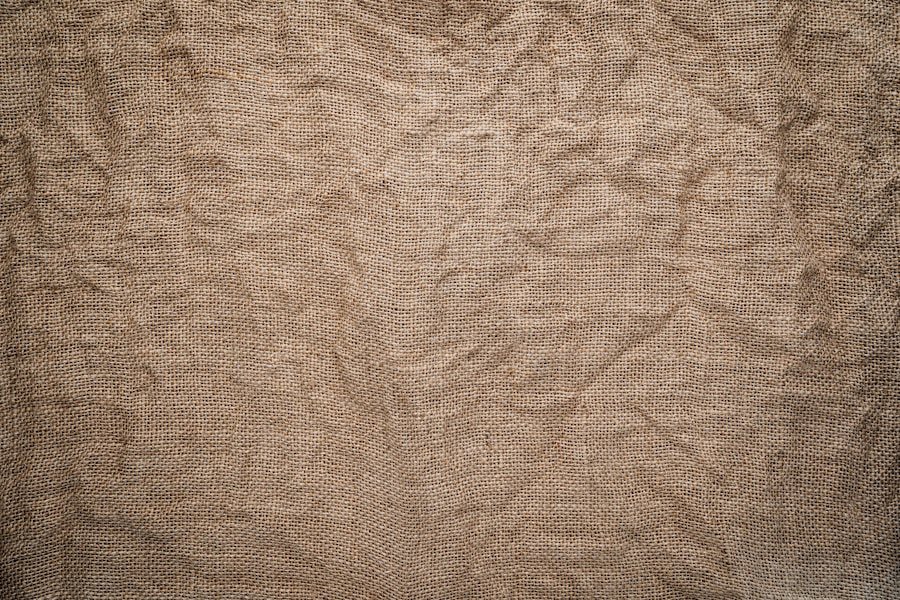
Photo by Andre Taissin on Unsplash
How Much Fabric Do You Need to Reupholster a Dining Chair Seat?
Plan on 1/2 yard of fabric per standard dining chair seat, or slightly more if your fabric has a pattern repeat you need to match across a set. Buying an extra 1/4 yard total for the whole project is smart insurance against a cutting mistake or a seat that's slightly larger than average.
If you're recovering a full set of six or eight chairs, order from the same dye lot in one purchase. Fabric color can shift subtly between production runs, and nothing ruins a matched dining set faster than one chair that's a shade off from the rest.
Choosing a Fabric That Fits Your Home
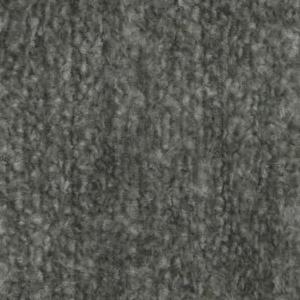
Honestly, chenille is criminally underrated for dining chairs. It's soft, hides crumbs surprisingly well between cleanings, and holds up to heavy daily use better than a lot of flashier fabrics. If you like the texture but want something with more visual interest for a fall refresh, grey chenille upholstery fabric pairs beautifully with warm wood tones and darker autumn palettes.
Velvet gets a bad rap for being delicate, but a tightly woven performance velvet actually resists spills better than most cottons thanks to its dense pile. If you want a slightly more elevated look for a dining room that doubles as entertaining space, velvet upholstery fabrics bring a soft hand feel without sacrificing durability, as long as you pick a performance-rated version.
For a more textural, casual look that's still tough as nails, boucle upholstery fabric has become one of the most requested looks in modern dining rooms this year. Its looped texture disguises small stains and wear far better than a flat weave.
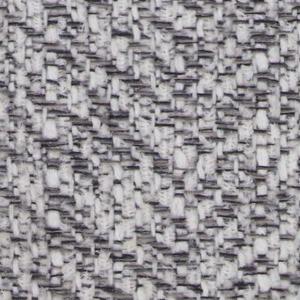
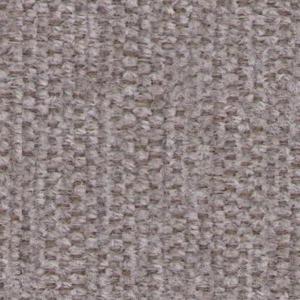

If you'd rather keep things simple, a classic tight woven upholstery fabric is nearly impossible to go wrong with. Wovens tend to be some of the most abrasion-resistant fabrics on the market because the fiber structure itself, rather than a printed pattern, does all the visual work.
Want to browse everything at once before you commit? The full chenille upholstery fabric collection is a good starting point if durability and softness are both non-negotiable for your household.
Tips for a Longer-Lasting Reupholstery Job
- Always staple from the center out, never corner to corner, to avoid puckering.
- Use a fabric protector spray on the finished seat, even if the fabric is already stain-resistant. It buys you extra time to blot up a spill before it sets.
- Keep your staples 3/8 inch from the fabric edge so they hold firm without tearing through over time.
- If your chairs get direct sunlight through a window, choose a solution-dyed fabric to prevent fading over a few seasons.
- Test your stapler pressure on a fabric scrap first. Too much force can punch straight through thinner fabrics like linen blends.
Frequently Asked Questions
Q: How long does it take to reupholster one dining chair seat?
Most DIYers can reupholster a single dining chair seat in 20 to 40 minutes once the seat is removed from the frame, not counting drying time for glue on welting or trim.
Q: Can you reupholster a dining chair seat without removing the old fabric?
You can staple new fabric directly over an old cover in a pinch, but removing the old layer first gives a flatter, more professional finish and lets you check the padding underneath for wear.
Q: What is the best fabric for dining chairs with kids or pets?
Solution-dyed chenille or woven fabric rated above 15,000 double rubs is the best choice for households with kids or pets, since the color runs through the fiber and resists both fading and staining under daily wear.