
If you've been eyeing that tired, stained, or just plain outdated headboard and wondering if you can fix it yourself, good news: you can. Learning how to reupholster a headboard is genuinely one of the more approachable DIY upholstery projects, even if you've never picked up a staple gun before. It's a weekend project, it costs way less than buying new, and it lets you match your bedroom exactly the way you want. This guide walks through fabric selection, yardage math, foam and batting prep, and the tufting technique that makes a headboard look professionally done instead of homemade.
What's the Best Fabric for Reupholstering a Headboard?
Mid-weight velvet or a performance fabric works better for headboards than typical decorator fabric because headboards get constant contact from hands, hair products, pets, and shoulders while you read in bed. Decorator fabrics are made for pillows and drapery, not daily abrasion, so they wear thin and pill fast in a spot that gets touched every single night.
Here's the thing: a headboard isn't a throw pillow. It's more like the arm of a sofa, minus the constant sitting but plus a lot of skin-to-fabric friction. That's why upholsterers reach for fabrics rated for heavy household use, ideally with a Martindale abrasion rating of 25,000 rubs or higher, or a Wyzenbeek double rub count of 15,000 or above. Performance velvet typically tests around 30,000+ double rubs, while a lightweight decorator velvet might only hit 15,000 to 20,000. That gap matters when you're pulling fabric tight over foam and stapling it into a tufted grid, since thinner fabrics show stress and wear at the tuft points first.
Velvet is a favorite for headboards because it hides seams and tuft indentations beautifully, and honestly, it photographs like a dream against a fall color palette of rust, olive, and warm grey. If you have kids or pets in the mix, look for a performance fabric with a solution-dyed acrylic or polyester face. Solution-dyed fibers have color woven all the way through instead of just on the surface, which means stains lift instead of setting in. Chenille is another underrated option here. It's soft, it's got great bounce-back, and it holds up to the pull-and-staple process better than a floppy cotton print.

Photo by The Metropolitan Museum of Art on Unsplash
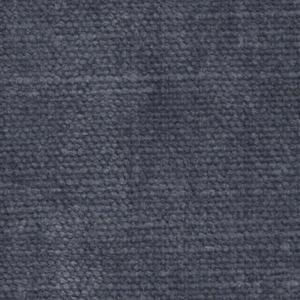
When you're browsing, our velvet upholstery fabrics collection has a range of weights suitable for tufting, and if you want something with even more everyday resilience, the chenille upholstery fabrics hold their shape well around foam edges. For a moodier fall look, grey velvet upholstery fabric is one of our most requested picks for bedroom projects right now.
How Much Fabric Do You Need for a Headboard?
A twin headboard typically needs 2 to 2.5 yards, a queen or full needs 3 to 3.5 yards, and a king needs 4 to 4.5 yards, assuming a fabric width of 54 inches. Add half a yard if your fabric has a large pattern repeat that needs matching, and add another half yard for any welting or piping detail.
These numbers assume you're wrapping a standard flat or slightly curved headboard panel with wraparound edges. If your headboard has a diamond tufting pattern, add 10 to 15 percent extra yardage to account for the fabric that gets pulled into each tuft, since tufting eats up more material than a flat wrap. Always round up rather than down. Running short mid-project is a headache nobody needs, and most fabric returns don't cover cut yardage.
Step-by-Step Instructions
- Measure your headboard and calculate yardage. Measure height, width, and depth (if it wraps around foam edges), then add 4 to 6 inches on all sides for wrap and staple allowance.
- Remove the old fabric and staples carefully. Use a flathead screwdriver or staple remover to pop out old staples, and keep the original fabric panel as a cutting template if it's still in decent shape.
- Inspect and repair the foam and frame. Replace foam that's flattened, yellowed, or crumbling. A 2 to 3 inch high-density foam is standard for headboards and holds tufting shape far better than low-density foam.
- Wrap the foam in polyester batting. A single layer of 8 to 10 ounce batting rounds out the edges and keeps the fabric from showing foam lines or staple ridges underneath.
- Mark your tufting points if you're doing a tufted design. Use a yardstick and fabric pencil to mark an even diamond or grid pattern on the foam before you drill or pre-drill button holes through the frame.
- Lay out and cut your fabric. Center any pattern or nap direction, and remember that velvet has a directional pile, so all panels need to run the same way or you'll get a shading effect under different light.
- Attach tufting buttons first, then work outward. Thread twine through the button, foam, and frame, pulling taut and securing on the back before stapling any edges. Working from the center tufts outward prevents puckering.
- Staple the fabric taut around the edges. Start at the center of each side and work toward the corners, pulling firmly and stapling every 2 to 3 inches. Fold corners like you're wrapping a gift box for a clean finish.
- Finish the back with a dust cover. A lightweight fabric or even a cambric backing stapled over the raw edges gives it a finished, retail-quality look from behind.
- Reattach the headboard to your bed frame. Double check all hardware is tightened before you flop back down to admire your work.
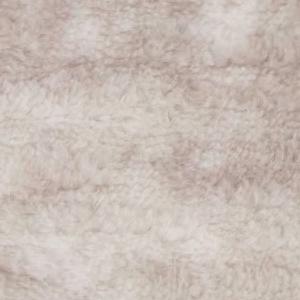
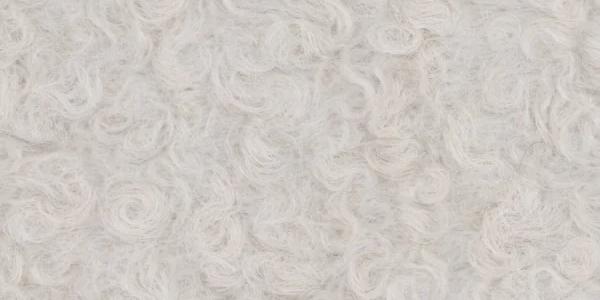
If you're still narrowing down colors, browsing our boucle upholstery fabrics is worth it too. Boucle has that cozy, textural look that's trending hard this fall, and its looped construction actually camouflages minor stapling imperfections along the wrap edges better than a flat weave would.
Do You Need Special Tools to Reupholster a Headboard?
You need a staple gun, a screwdriver or staple remover, fabric scissors or a rotary cutter, and an upholstery needle with twine if you're doing tufted buttons. None of these require a professional workshop, and most homeowners already own or can borrow a staple gun.
A pneumatic or heavy-duty electric staple gun makes the job faster and reduces hand fatigue, especially with denser fabrics like velvet or a heavier chenille. If you're tufting, a long upholstery needle (at least 6 inches) makes pulling twine through thick foam much easier than a standard sewing needle.
Tips for a Professional-Looking Finish
- Steam your fabric before cutting to release wrinkles, since ironing velvet can crush the pile permanently.
- Pull fabric taut but not stretched. Overstretching a performance fabric can distort the weave and cause sagging over time.
- Test your staple gun depth on a scrap piece first so you don't punch staples through the fabric face.
- Vacuum your finished headboard weekly with an upholstery brush attachment to keep fibers looking fresh, especially with pets in the house.
- Keep a small swatch of your leftover fabric for future spot repairs or to match throw pillows down the road.
How Do You Clean a Reupholstered Headboard?
Most performance fabrics can be spot cleaned with a mild water-based solution and a soft cloth, while velvet should be brushed with a suede brush and vacuumed rather than scrubbed. Always check the fabric's cleaning code (W, S, WS, or X) before applying any liquid.
Fabrics with a W code accept water-based cleaners, S codes require solvent-based cleaners only, and X codes should only be vacuumed. This distinction matters a lot for headboards, since they're exposed to skin oils and the occasional coffee spill far more than a formal sofa tucked in a living room.
Frequently Asked Questions
Q: Can you reupholster a headboard without removing it from the bed frame?
Yes, but it's much easier to remove the headboard first. Working on a flat surface like a table or floor gives you better access to all edges and makes stapling and tufting significantly more accurate.
Q: What fabric weight is best for a tufted headboard?
A mid-weight fabric between 12 and 16 ounces per yard works best for tufting, since it's thick enough to hide seams and staples but flexible enough to pull into deep tuft points without tearing.
Q: Is velvet or performance fabric better for a headboard with kids or pets?
A solution-dyed performance fabric is generally the better choice for households with kids or pets, since stains lift more easily and the fibers resist abrasion from daily contact and pet claws better than traditional velvet.
