
If you've been staring at a cracked, faded, or peeling piano bench top and wondering if you can fix it yourself, the answer is yes, and it's one of the friendliest DIY reupholstery projects out there. Learning how to reupholster a piano bench is a weekend-afternoon job that takes a handful of tools, about a yard of fabric, and zero sewing machine skills. With fall recital season and holiday gatherings around the corner, now's a good time to get that bench looking sharp again before it's back in heavy rotation.
Piano benches are smaller and simpler than dining chairs or bar stools, but they take a beating. Someone's sitting on that seat, sliding on and off it, for hours during practice sessions. That means fabric choice matters just as much as technique here. We'll cover both.
Step-by-Step Instructions
- Remove the bench top from the base. Most piano benches have a lift-top lid for sheet music storage, hinged at the back with two or four small screws. Unscrew the hinges (keep the screws in a labeled bag) and set the seat panel aside. If your bench doesn't have a lift lid, the padded panel is usually screwed or glued directly to the frame from underneath.
- Strip the old fabric and staples. Flip the panel over and pull out every old staple with flathead pliers or a staple remover. Go slow here. Rushing this step is how people crack the wood panel underneath, and that turns a fabric project into a carpentry project.
- Check the foam and padding. If the foam is flat, yellowed, or crumbling, replace it with a 1-inch high-density foam cut to match the panel. Fresh foam is cheap insurance against a saggy, lumpy finished seat.
- Cut your new fabric with margin to spare. Lay the panel foam-side down on the fabric and cut a piece that extends 3 to 4 inches beyond the panel edges on all sides. That extra margin is what you'll pull and staple; skimping here is the number one reason DIY seats end up wrinkled.
- Center the fabric and staple the long sides first. Staple the midpoint of one long side, then the opposite midpoint, pulling snug but not stretched to the point of thinning the weave. Work outward from center toward the corners on both long sides, alternating side to side every couple of staples so tension stays even.
- Staple the short sides. Same method: center staple, opposite center staple, then work outward. This is where you'll start to see the fabric lay flat and drum-tight across the top.
- Miter the corners. Fold the corner fabric into a clean diagonal pleat, like wrapping a gift box, tucking the excess bulk underneath itself rather than to the side. Staple the folded corner flat against the panel underside. A well-mitered corner should look like a crisp triangle with no visible bunching from the top.
- Trim excess fabric and check for puckers. Cut away any fabric hanging more than half an inch past your staple line. Flip the panel right-side up and inspect the edges under good light; if you spot a pucker, pull the nearest staples and re-tension that section before moving on.
- Reattach the panel and test the fit. Screw the hinges back in place or reattach the panel to the frame. Sit on it. Seriously, this is the real quality check. A properly upholstered bench top should feel firm with zero shifting when you move.
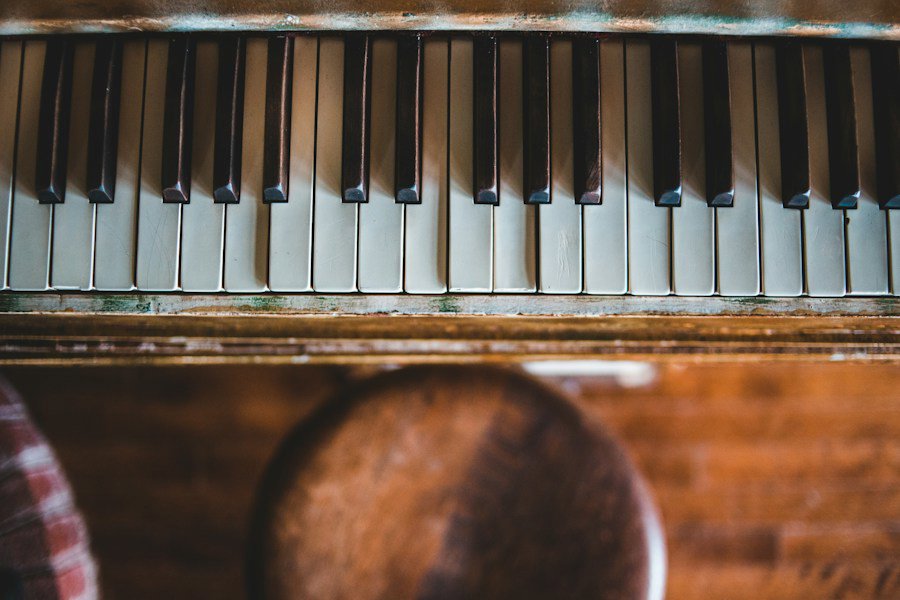
Photo by Erik Mclean on Unsplash
What Fabric Weight Works Best for a Piano Bench Seat?
A piano bench needs a mid-to-heavyweight upholstery fabric rated at least 15,000 double rubs on the Martindale or Wyzenbeek abrasion test. Anything lighter tends to stretch, shift, or show wear patterns within a year or two of regular sitting.
Here's the thing about bench tops specifically: they're a small, high-friction surface. Every time someone sits down and scoots forward to reach the pedals, the fabric experiences shear stress across a tight radius. Thin cottons and lightweight linens just don't hold up to that kind of repeated sliding. Solution-dyed acrylics and tightly woven polyester blends resist both abrasion and fading, which matters if the bench sits near a sunny window.
For homeowners, I usually point people toward vinyl upholstery fabric or faux leather upholstery fabric for piano benches, especially in households with kids or pets, because both wipe clean in seconds and won't absorb spills. If you want something softer underhand, a tight low-pile velvet upholstery fabric works beautifully too. Velvet gets a bad rap for being delicate, but a good quality performance velvet with a dense weave handles a bench seat just fine.
How Much Fabric Do You Need to Reupholster a Piano Bench?
Most standard piano bench tops need about three-quarters of a yard to one full yard of fabric, depending on bench length and whether your fabric has a large pattern repeat. Traditional benches run 30 to 36 inches long, and adding your stapling margin on all sides typically pushes you into that one-yard range.
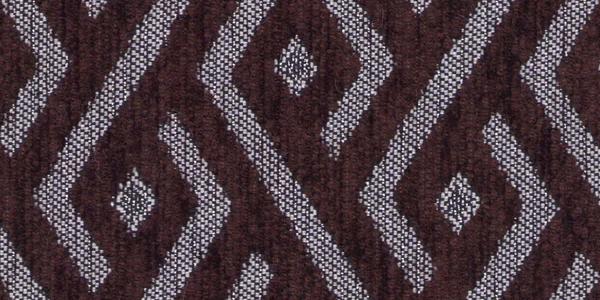
If you're using a patterned fabric, like a jacquard upholstery fabric with a large motif, buy extra so you can center the pattern on the seat rather than cutting it off-center by accident. Solids and small-scale textures like chenille upholstery fabric are far more forgiving for a first-time project since there's no pattern to align.
Choosing Between Vinyl, Velvet, and Suede for a Bench Top
Vinyl is the classic choice for a reason. It's the original piano bench material on most factory-made benches, it wipes clean, and it resists the oils and moisture that come from bare skin contact during long practice sessions. The tradeoff is that vinyl can feel a bit cool and stiff compared to a woven fabric.
Velvet and suede bring warmth and a plush feel that upgrades a plain black bench into something that looks intentional, almost furniture-store fancy. A suede upholstery fabric in a deep tone hides everyday dust and light scuffs remarkably well, which is handy on a piece that gets touched constantly.
Photo by engin akyurt on Unsplash
Tips for a Clean, Long-Lasting Result
- Always test your staple gun tension on a scrap piece first. Staples set too shallow will pop loose within weeks; too deep and you'll tear the fabric.
- Iron or steam your fabric before cutting. Wrinkles set during stapling are nearly impossible to remove afterward.
- Use a fabric with a tight, closed weave rather than an open, loose one. Open weaves snag on belt loops, zippers, and pet claws over time.
- If your bench has a hinged lid, staple the fabric so the seam falls at the very back edge, tucked against the hinge line where it's least visible.
- Keep leftover fabric scraps. A small stapled sample makes future spot-cleaning tests much safer than experimenting directly on the bench.
Frequently Asked Questions
Q: Can you reupholster a piano bench without removing the seat panel?No, you should always remove the seat panel from the base first. Working on a detached panel gives you full access to staple underneath and lets you pull even tension across the fabric, which is nearly impossible to do while the panel is still attached to the frame.
Q: How long does it take to reupholster a piano bench?Most piano bench reupholstery projects take one to two hours for someone doing it for the first time, once you have the fabric, foam, and staple gun ready. The corners take the most patience; everything else moves quickly.
Q: What's the best fabric for a piano bench with kids or pets in the house?Vinyl and faux leather are the top picks for households with kids or pets because both are wipeable, stain-resistant, and don't hold odors. A tightly woven performance chenille rated above 20,000 double rubs is a solid fabric alternative if you want a softer texture with similar durability.