
Reupholstering a recliner is a different job than reupholstering a straight-back chair or a sofa cushion. Recliners come with a reclining mechanism, a hinged footrest panel, and several separate fabric sections that all move independently every time someone kicks back after dinner. Get the fabric choice wrong or rush the teardown, and you'll be pulling the staple gun back out in a few months when the footrest seam blows apart. This guide covers how to reupholster a recliner from mechanism to finish, including how to pick a fabric tough enough to survive daily flexing, pets, and popcorn spills during fall movie marathons.
What Makes Reupholstering a Recliner Different From a Chair?
A recliner has moving parts and multiple stitched panels that a stationary chair simply doesn't. Where a side chair just needs fabric pulled taut over a fixed frame, a recliner has a mechanism to disengage, a footrest that folds independently, and separate panels for the back, arms, seat, and mechanism cover.
Here's the practical difference: every panel on a recliner has to move without binding once you're done. That means seam allowances, fabric stretch, and staple placement all matter more than they would on a fixed piece. Miss this and the chair either won't recline smoothly or the fabric will pull and tear right at the hinge.
What Is the Best Fabric for Reupholstering a Recliner?
The best recliner fabric has a Wyzenbeek double rub rating of at least 15,000, with 30,000 or higher preferred for the arms and footrest panel. Chenille, tightly woven fabric, faux leather, and vinyl all tend to hold up best against the constant flexing and skin contact a recliner sees.
The Wyzenbeek test measures durability by rubbing fabric back and forth under controlled pressure until it shows visible wear. Fabric rated under 10,000 double rubs is generally considered light-duty and better suited to occasional-use furniture, not the chair your teenager flops into every night. Martindale is the equivalent European test, and for heavy domestic use you want a rating above 30,000 rubs there too.
Honestly, chenille upholstery fabric is criminally underrated for recliners. It's soft, it hides seams well, and most chenille blends land comfortably in the heavy-duty range. If you want something with a bit more visual texture that still resists wear at friction points, a woven upholstery fabric is a smart pick too, since the tighter weave structure holds up better under repeated flexing than a loose knit would.
Photo by Marcus Urbenz on Unsplash
Step-by-Step Instructions
- Photograph and label every panel. Before you touch a staple, take pictures of the recliner from every angle and label each fabric panel (back, inner arm, outer arm, seat, footrest, mechanism cover). You'll thank yourself when it's time to reassemble.
- Disengage and expose the reclining mechanism. Flip the chair and locate the mechanism access panel, usually on the underside or back. Remove the fasteners, disconnect any springs or bars if needed, and set the mechanism aside on a towel so you don't lose hardware.
- Strip the old fabric panel by panel. Work slowly and use a seam ripper or staple puller rather than yanking fabric, since each old panel becomes your pattern template. Keep panels in labeled bags with their original staples or tack strips.
- Inspect the frame, springs, and padding. Fall and winter humidity swings can loosen glued joints, so check for wobbly frame connections, sagging webbing, or foam that's gone flat and crumbly before you rebuild anything on top of it.
- Cut new panels using the old ones as templates. Lay each original piece on your new fabric, add roughly a half-inch seam allowance, and pay attention to nap direction on fabrics like velvet or chenille so the pile runs consistently across all panels.
- Reupholster the fixed panels first. Start with the outer back, outer arms, and side panels since these don't move and give you a chance to get comfortable with the fabric before tackling trickier sections.
- Handle the footrest panel with extra ease. The footrest folds in and out constantly, so build in a little slack in the fabric at the fold line rather than pulling it drum-tight. Too tight here is the number one cause of early seam failure on recliners.
- Reattach the mechanism and test the recline motion. Before you staple anything permanently, reconnect the mechanism and manually cycle the chair through a full recline to confirm nothing binds or pulls before final fastening.
- Finish the mechanism cover and dust cover. Once the recline motion checks out, close up the mechanism access panel and staple the dust cover on the underside to keep the inner workings protected from dust and pet hair.
- Run a full-weight recline test. Sit in the chair and cycle it fully reclined and back at least ten times to confirm the fabric moves freely and no seams are straining under real load.
Once you've got your panels cut, it helps to have options in front of you rather than guessing at swatches on a screen. If you want to browse fabric that's actually built for this kind of repeated flexing, a few worth a look:
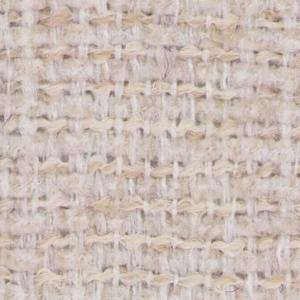
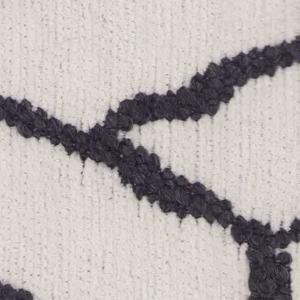
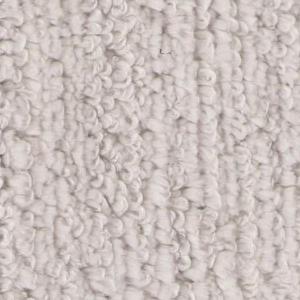

Photo by Kelli McClintock on Unsplash
How Do You Handle High-Wear Points Like Arms and Footrests?
Arms and footrests take the most abuse on any recliner, so they need fabric with the highest double rub count you can budget for and a slightly looser fit to allow for constant flexing. A fabric rated 30,000+ double rubs on the arms will typically outlast a lower-rated fabric elsewhere on the chair by several years under normal family use.
Pets add another layer to consider. Solution-dyed fibers, where color is added during fiber production rather than after weaving, resist fading from sun exposure and hold up better to spot cleaning with mild soap and water. If a recliner sees a lot of dog naps, faux leather or vinyl at the high-wear points is worth considering even if the rest of the chair is in a softer fabric like velvet upholstery fabric for the back and outer panels where friction is minimal.
Tips for a Cleaner, Longer-Lasting Result
- Buy 10 to 15 percent more fabric than your measurements suggest to account for pattern matching and mistakes on curved panels.
- Test your fabric choice by folding a scrap sharply and checking for cracking or visible strain lines, which mimics what the footrest hinge will do thousands of times over the chair's life.
- Keep a small stapler and extra staples on hand throughout the project. Recliner reupholstery involves more re-stapling and adjusting than a flat piece of furniture.
- Check discounted upholstery fabric for remnant cuts. Recliners don't need a ton of yardage, so sale-priced end-of-bolt pieces often cover the whole project.
- If your recliner has a lever or side handle, reupholster around the hardware last, cutting a clean slit rather than trying to stretch fabric over the mechanism.
Frequently Asked Questions
Q: How much fabric do I need to reupholster a recliner?
Most recliners need between 6 and 9 yards of upholstery fabric, depending on the chair size and whether the fabric has a pattern repeat that needs matching across panels. Measure each panel individually and add extra for seam allowance and matching.
Q: What double rub count is good enough for a recliner?
A minimum of 15,000 double rubs on the Wyzenbeek scale is suitable for a recliner used a few times a day, while 30,000 or higher is recommended for the arms and footrest where friction is constant. Anything under 10,000 double rubs is better suited to decorative or occasional-use pieces.
Q: Can I reupholster a recliner without removing the mechanism?
You can reupholster the outer back and side panels without touching the mechanism, but the footrest and inner seat panels almost always require disengaging it to access the fabric fully. Skipping this step usually leads to bunched fabric or a footrest that won't fold flat.