
Fall is when the couch gets judged. Guests are coming, the family is home more, and that one corner cushion everyone fights over looks tired. The good news: you can reupholster a sectional sofa one module at a time, and you don't have to redo the whole set. A sectional is built from separate pieces, so it's one of the most forgiving pieces of furniture to renovate in stages. This guide covers what to expect, how much fabric to buy, how to match the sections you're leaving alone, and whether you should DIY or hand it off.
Can You Reupholster Just One Section of a Sectional?
Yes. Each module (a corner wedge, armless middle piece, chaise, or end unit) has its own frame, so a single section can be recovered without touching the rest. The real challenge isn't the sewing, it's making the new piece look like it belongs.
Here's the honest part: your old sections have faded and worn. A new bolt of the "same" color will look brighter next to them. You've got three smart options:
- Go close and accept a break-in period. Pick a slightly muted, textured fabric. Texture hides small color differences far better than a flat solid does.
- Contrast on purpose. Make the chaise or corner a deliberate accent, like a rust piece against a cream set. It reads as design, not a repair.
- Recover the high-wear pieces first. Do the corner and the chaise now, and plan the rest for next year.
Also, order every yard you'll need in one purchase. Fabric from different dye lots can shift in shade, and a "sort of matching" mistake is hard to unsee. Request a swatch first and check it in your living room light, morning and evening.
How Much Fabric Do You Need to Reupholster a Sectional Sofa?
A typical three-piece L-shaped sectional needs roughly 28 to 40 yards of 54-inch-wide fabric for a plain, solid material. Patterned fabric needs 15 to 30 percent more because of pattern repeat, the distance before a design starts over.
These are planning ranges, not guarantees. Cushion count, tufting, skirts, and welting (the corded trim along seams) all change the total. Rough per-piece estimates for plain fabric:
- Armless middle piece: 6 to 8 yards
- Corner wedge: 7 to 9 yards
- Arm or end unit: 8 to 10 yards
- Chaise: 8 to 11 yards
Here's the rule that saves money: measure the widest and longest cut each part needs, then add 10 to 15 percent for mistakes and matching. A solid upholstery fabric is the easiest way to keep yardage predictable, because you can cut pieces in any direction. Stripes and large motifs need every piece aligned so lines run straight across the cushions and into the backs.
For L-shaped and modular layouts, pay attention to the seam where two modules meet. A pattern should flow across that gap, so measure the continuous run, not each piece alone. A pro with a pattern-matching eye will tell you the same thing: the repeat decides your yardage more than the furniture size does.
Should You DIY or Hire a Pro to Reupholster a Sectional?
DIY works best for one or two simple sections with a plain fabric and no tufting. Hire a pro for a full sectional, a pattern that needs matching, or a hard deadline you can't miss.
Use this checklist to decide:
- Time: A first-timer needs 15 to 25 hours per module, usually over several weekends. A pro shop often quotes a few weeks, and fall lead times stretch as the holidays approach.
- Tools: You'll need a heavy-duty staple gun with an air compressor (manual guns tire out fast), a staple puller, upholstery shears, a walking-foot or heavy-duty sewing machine, and a zipper foot. If you don't own these, the rental and buying costs eat into your savings.
- Cost: Fabric alone for DIY typically runs $600 to $1,500 for a full sectional, depending on the material. Professional labor commonly adds $2,000 to $5,000 or more. For a single section, DIY can drop below $250 in fabric.
- Skill: Can you sew a straight seam and a boxed cushion? If you're nervous about welting, practice on a throw pillow first.
- Risk: Foam, frames, and springs are expensive to fix if the frame is damaged. Have a pro assess any wobble or broken support before you invest in fabric.
- Deadline: If guests arrive in six weeks, count backward. Fabric shipping, cutting, and a possible redo all need room.
Honestly, a hybrid often wins. Hire a pro for the complicated chaise, and DIY the armless middle piece. You'll learn a lot, and your budget will thank you.
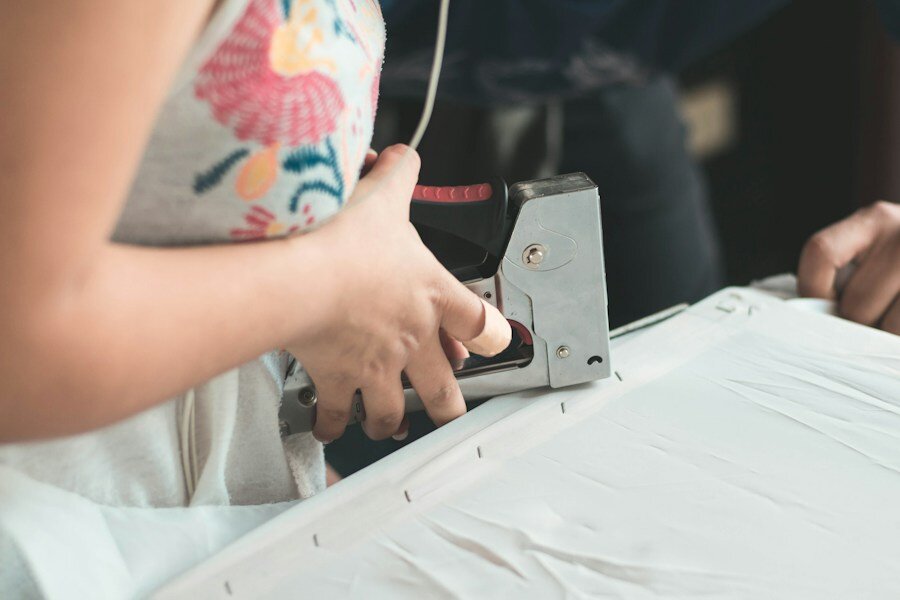
Photo by jose aljovin on Unsplash
Which Upholstery Fabric Works Best for a Sectional With Kids and Pets?
Look for a tightly woven fabric rated at 15,000 or more double rubs on the Wyzenbeek test (30,000 or more is commercial grade), or 20,000 or more cycles on the Martindale test. A double rub is one back-and-forth pass of an abrasion machine, and higher counts mean better wear resistance.
Sectionals get used harder than sofas. They're napped on, jumped on, and eaten on. Chenille upholstery fabric is criminally underrated here. Its soft pile hides wear patterns, and a dense weave resists snags better than a loose boucle does. Fun fact: solution-dyed acrylic and polyester fabrics carry their color through the whole fiber, so they resist fading from sunlight and hold up to spot cleaning, including with a mild bleach solution in some cases. Check the cleaning code on the fabric before you try it. "W" means water-based cleaners, "S" means solvent only, and "WS" allows either.
A few more quick matches:
- Pets with claws: Avoid loops (like loose boucle) that catch nails. Tight weaves and microsuede-style textures behave better.
- Spills and sticky hands: Faux leather and vinyl wipe clean in seconds.
- Cozy fall look: Warm neutrals and rust, olive, and chocolate tones are everywhere right now, and textured weaves keep them from looking flat.
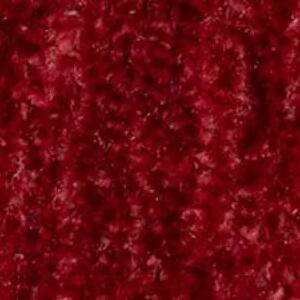
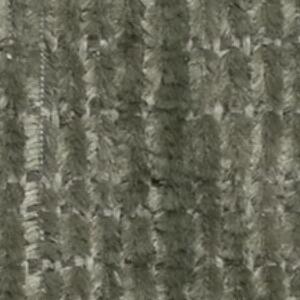
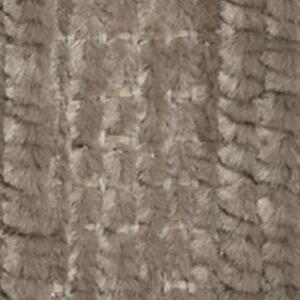
Since a sectional uses so much fabric, watch the price per yard. The upholstery fabric sale page is a smart place to check before you commit to a 30-yard order. Ready to see what's out there? Here are a few options worth a look for your project.
Shop All Upholstery Fabrics
Step-by-Step Instructions
- Audit the damage and set your scope. Press on the frame, check the springs, and look at the foam. If the structure is sound and only the fabric is worn, recover one section. If foam is flat everywhere, plan to replace it as you go.
- Photograph and label every module. Take pictures of all angles, then tag each piece (A, B, C) and each connector bracket. Sectionals have more hidden hardware than sofas, and you'll want to know how it all reconnects.
- Calculate yardage and order everything at once. Use the ranges above, add 10 to 15 percent, and add pattern repeat if needed. Order a woven upholstery fabric swatch first if you're unsure about texture and color.
- Test the fabric. Rub a swatch on a white cloth to check for dye transfer, and blot a drop of water to see how it reacts. It takes five minutes and saves you from regrets.
- Strip one module at a time. Remove staples carefully so the old fabric pieces stay intact. Those pieces are your pattern. Never strip the whole sectional at once, because you'll lose track of how things go together and have nowhere to sit.
- Replace foam and batting. Cut high-density foam (1.8 lb per cubic foot or higher is a common durability benchmark) to size, and wrap it in batting so the fabric slides on smoothly.
- Cut the new fabric from the old pieces. Lay each old piece on the new fabric, line up the pattern direction, and cut with sharp shears. Mark the top edge of every piece so the nap or pattern runs the same way.
- Sew, then staple in order. Sew cushion covers and welting first. Then staple the deck, inside back, inside arms, and outside back, finishing with the dust cover. Pull the fabric snug but not stretched.
- Test fit, then repeat. Reconnect the finished module to its neighbors and step back. If the color or height looks off, adjust now. Then move to the next module.
Tips for a Smoother Reupholstery Project
- Start with the least visible piece. The armless middle section is the best practice round. Mistakes there are easy to hide.
- Keep the old fabric until the project is done. It's your only reference for pattern and fit.
- Choose texture to forgive mismatch. A woven or boucle upholstery fabric hides slight shade differences better than a flat, smooth weave does.
- Work in daylight. Color and pattern alignment look completely different under warm evening bulbs.
- Protect your work. Keep fabric away from direct sun and use a fabric protector rated for your fiber. A little prevention keeps those holiday spills from becoming stains.
Frequently Asked Questions
Q: Can I reupholster just one part of my sectional?
Yes. A sectional is made of separate modules, so you can recover one corner, chaise, or armless piece without touching the others. To keep the look cohesive, choose a textured fabric close to your existing color or make the new piece a deliberate accent.
Q: How many yards of fabric does a sectional need?
A typical three-piece L-shaped sectional needs about 28 to 40 yards of 54-inch-wide plain fabric. Add 15 to 30 percent for patterned fabric and 10 to 15 percent as a safety margin. A single armless piece usually needs 6 to 8 yards.
Q: Is it cheaper to reupholster a sectional or buy a new one?
Reupholstering is usually cheaper if the frame is solid, especially if you do some of the work yourself. Fabric for a full sectional typically costs $600 to $1,500, and professional labor often adds $2,000 to $5,000. A new quality sectional can easily cost more than that, and a recovered one lets you choose a durable fabric.