
Learning how to reupholster a sofa is a different animal than tackling a dining chair or a single wingback. You're dealing with more yardage, more curves, more staples, and a frame that's been holding a family together (literally) for years. But it's absolutely doable in a weekend or two if you work methodically, section by section, instead of trying to wing it. This guide breaks down the full process for a standard three-cushion sofa or loveseat frame, from stripping the old cover to re-stapling the new one so it stays put through years of movie nights and dog naps.
What You'll Need Before You Start
Reupholstering a sofa frame requires more than a staple gun and enthusiasm. Here's your shopping list before you make a single cut:
- A pneumatic or heavy-duty manual staple gun (hand-squeeze staplers struggle on dense hardwood frames)
- Fabric shears and a seam ripper for removing old upholstery
- Flathead screwdriver or staple puller for digging out old staples
- Chalk or fabric marker, plus a flexible tape measure
- New upholstery fabric (we'll cover yardage below)
- Cotton batting or foam if your cushions or arms need refreshing
- Heavy-duty thread and a curved upholstery needle for hand-finishing seams
Quick fact for planning purposes: a standard three-seat sofa typically needs 14 to 18 yards of 54-inch-wide fabric, while a loveseat runs 10 to 12 yards. Add extra if your chosen fabric has a large pattern repeat that needs matching across cushions and arms.
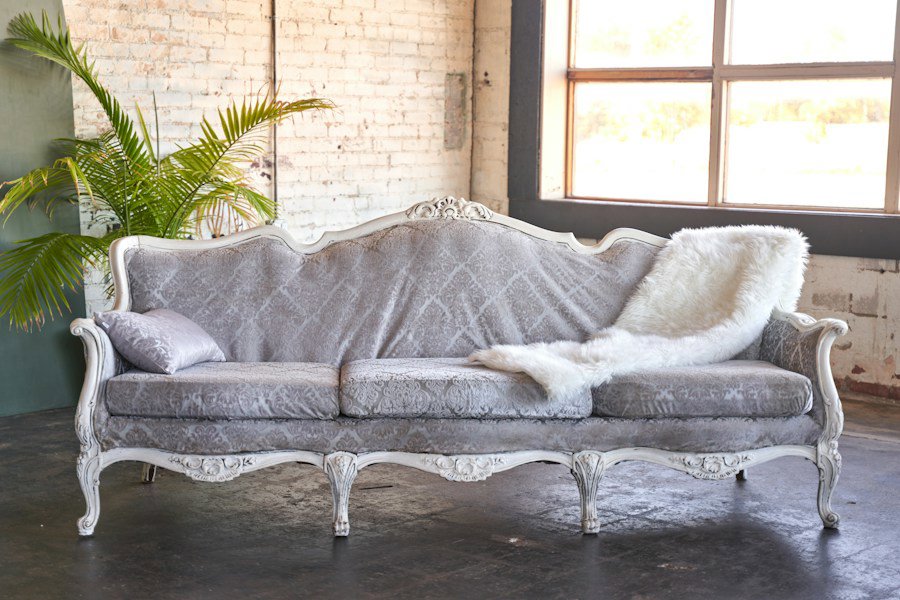
Photo by Dan LeFebvre on Unsplash
How Much Fabric Do You Need to Reupholster a Sofa?
Most three-seat sofas need 14 to 18 yards of upholstery-weight fabric, and loveseats need 10 to 12 yards. The exact number depends on the sofa's depth, roll-arm versus track-arm style, and whether your fabric has a pattern that needs to line up seam to seam.
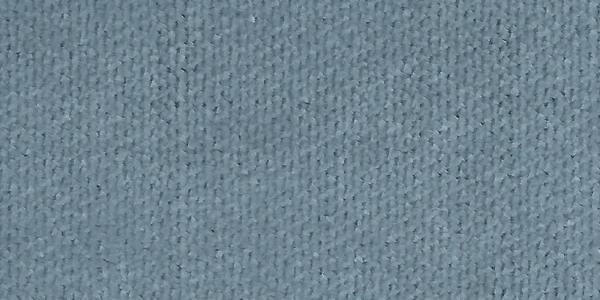
Plain solids like chenille upholstery fabrics are the most forgiving here since there's no repeat to match, which can save you a yard or two compared to a striped or jacquard fabric. If you're working with a patterned fabric, always buy 10 to 15 percent extra to account for repeat matching and cutting mistakes. Trust me, you don't want to be one panel short after your local shop discontinues that exact bolt.
Step-by-Step Instructions
- Photograph and label everything first. Before you remove a single staple, take photos of every panel from multiple angles and label each piece (left arm, right arm, back, seat deck, front rail) with masking tape and a marker. This becomes your pattern map later.
- Strip the old fabric section by section. Remove the seat cushions first, then work from the back of the sofa forward, pulling staples with a flathead screwdriver or staple puller. Keep each old panel intact if it's not falling apart. It doubles as a cutting template.
- Inspect and repair the frame. Check for loose joints, broken webbing, or sagging springs while everything's exposed. This is your one chance to fix squeaks and sag before they get buried under new fabric for another decade.
- Refresh padding and batting where needed. Replace flattened foam in the arms and back, and add a fresh layer of cotton batting over springs or old foam to smooth out lumps and soften edges before the new fabric goes on.
- Cut new panels using your old fabric as a template. Lay each old panel flat on your new fabric, pin it in place, and add a half-inch to one inch of extra seam allowance around every edge. Cut arms, back, seat deck, and front rail pieces separately.
- Start stapling from the inside out. Attach the seat deck panel first, then the inside back, then the inside arms, pulling the fabric taut as you go. Staple every two to three inches, working from the center of each panel outward to avoid puckering.
- Move to the outside panels. Once the inside is covered and smooth, wrap fabric around to the outer arms and outer back, tucking and stapling along the frame's underside where seams won't show.
- Hand-sew any visible seams. Use a curved needle and heavy thread to close up seams around arm fronts and cushion boxing where a staple gun can't reach. A slip stitch keeps this invisible from the front.
- Re-cover cushions last. Cushion covers get sewn separately using a zipper or Velcro closure so they're removable for cleaning, which matters a lot more once pets and kids are involved.
- Steam and brush the finished piece. A quick pass with a fabric steamer relaxes wrinkles from handling and helps the nap on textured fabrics like chenille or boucle sit evenly.
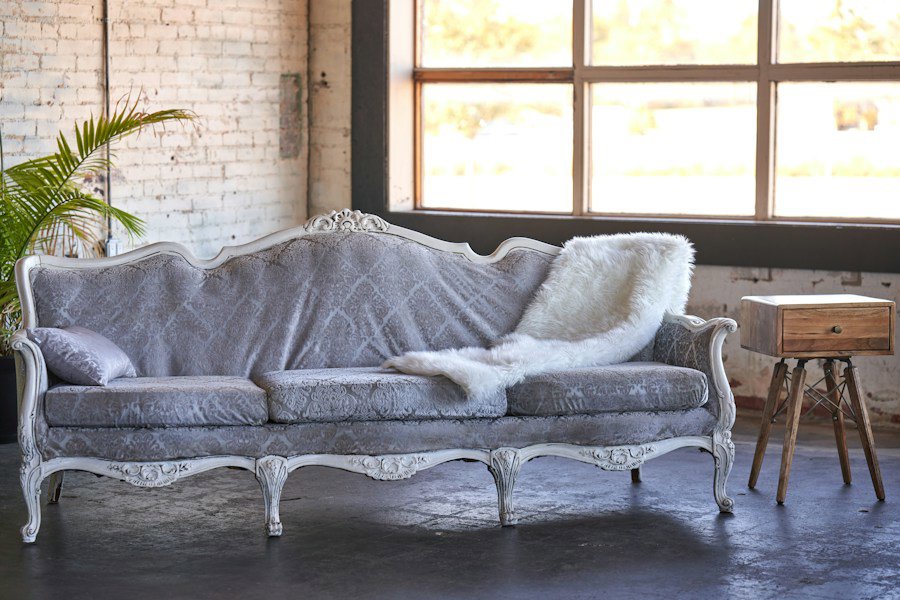
Photo by Dan LeFebvre on Unsplash
What Is the Best Fabric for Reupholstering a Sofa?
The best fabric for reupholstering a sofa is one rated at least 15,000 double rubs on the Wyzenbeek abrasion test, or roughly 30,000 cycles on the Martindale scale, since sofas see far heavier daily use than accent chairs. Chenille, performance velvet, and solid-dyed woven fabrics consistently score well here.
Solution-dyed acrylic and polyester blends also resist fading near sunny windows, which matters if your sofa lives under a big bay window catching afternoon light. Honestly, chenille is criminally underrated for sofas. It hides crumbs, resists pilling, and has enough texture to disguise minor seam imperfections if your stapling isn't gallery-quality on your first try.
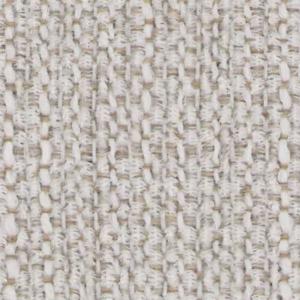
If you've got a household with kids or dogs, look for fabrics labeled as stain-resistant or with a factory-applied finish, and steer clear of loosely woven linens that snag on claws. A tightly constructed boucle upholstery fabric can work beautifully too, but check the weave density first since some boucles are looser and more prone to pulling than others.
Shop All Upholstery Fabrics

Choosing Fabric for a Family-Friendly, Pet-Proof Sofa
Cleanability matters more than color once real life happens on your sofa. Vinyl and faux leather wipe clean in seconds and shrug off spilled juice, making them a smart pick for households with toddlers or muddy paws. If you want the look of fabric with easier maintenance, a performance woven or velvet with a stain-repellent finish is a solid middle ground.
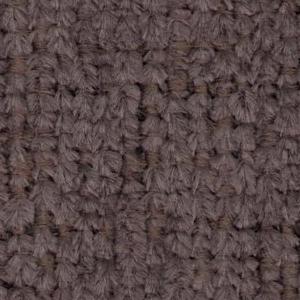
Dark and mid-tone colors hide everyday wear better than white or pale cream, though a grey chenille upholstery fabric hits a nice balance of forgiving color and cozy texture for a fall living room refresh. If you're reupholstering on a budget, keep an eye on the upholstery fabric sale section, since discontinued bolts and overstock runs often include enough yardage for a full sofa at a fraction of retail price.
Tips for a Professional-Looking Finish
- Always cut fabric with the nap or pattern running the same direction on every panel, or you'll get color shifts under different light.
- Pull fabric taut before stapling, but don't stretch it so tight it distorts the weave. You want smooth, not drum-tight.
- Use temporary staples first (just two or three per panel), stand back and check for wrinkles, then finish stapling once you're happy.
- Save your old fabric panels until the whole project is finished, in case you need a template for a repair down the road.
- If you're using a heavier fabric like velvet upholstery fabric, switch to a heavier staple gauge so staples don't pop loose under the extra bulk.
Frequently Asked Questions
Q: How long does it take to reupholster a sofa?
A full sofa reupholstery typically takes 15 to 25 hours of hands-on work, spread over a weekend or two, depending on the frame's complexity and how many panels need pattern matching.
Q: Can you reupholster a sofa without removing the old fabric?
No, for a lasting result you need to remove the old fabric completely, since layering new fabric over old creates bulk, hides frame damage, and prevents a smooth, tight finish.
Q: What double rub count is durable enough for a sofa?
Look for fabric rated at least 15,000 double rubs on the Wyzenbeek test for everyday family use, or 30,000+ Martindale cycles, since sofas endure significantly more friction and weight than occasional-use chairs.