
Fall means back to the desk. If you work from home, your chair has been quietly taking a beating all summer, and now the seat is flat, the faux leather is flaking onto your pants, and the back has a rip you keep pretending isn't there. Good news: you can reupholster an office chair at home with a screwdriver, a staple gun, and a Saturday afternoon. Most chairs with a healthy frame, gas lift, and tilt mechanism are worth saving. Only the cover and foam are worn out.
Is Your Office Chair Worth Reupholstering?
Yes, if the base, gas lift, and tilt mechanism still work smoothly. Upholstery is the cheapest part of a chair to replace, so a solid frame with a shredded cover is the ideal candidate.
Here's a quick gut check. Does the chair roll, swivel, and hold its height? Is the plastic or metal shell crack-free? Then it's a go. If the gas cylinder sinks, the frame is bent, or the mechanism is wobbly, put your money toward a new chair instead.
Peeling is the most common failure. Polyurethane faux leather in budget chairs and gaming chairs breaks down through hydrolysis, a chemical reaction with moisture and body oils, which is why the surface flakes after a few years no matter how gently you sit. Once it starts, it doesn't stop. A new cover is the only real fix.
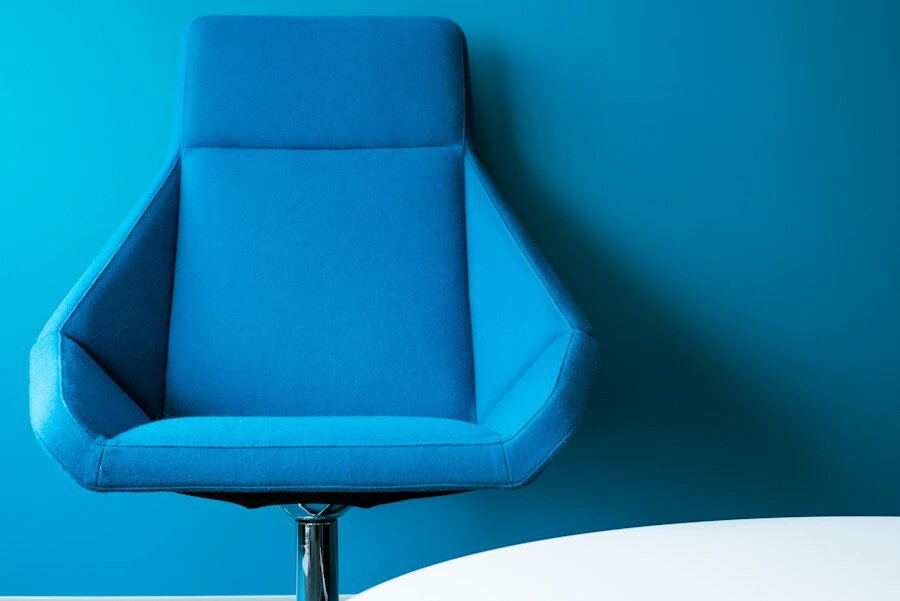
Photo by Pacific Office Interiors on Unsplash
What You'll Need
- Phillips and flathead screwdrivers, or a socket set
- Staple puller or needle-nose pliers
- Heavy-duty staple gun with 3/8-inch staples
- Upholstery fabric (usually 1 to 2 yards for a seat and back)
- High-density foam, 2 inches thick, plus spray adhesive
- Scissors, a marker, and your phone for reference photos
Step-by-Step Instructions
- Photograph everything. Snap pictures of the chair from every angle before you touch a screw. You'll thank yourself when you're reassembling at 9 p.m.
- Remove the seat from the base. Flip the chair over and unscrew the four bolts holding the seat pan to the tilt mechanism. Lift the seat off. Keep the screws in a labeled cup, because they walk away fast.
- Detach the backrest. Most backs unscrew from a bracket or slide out of a bolt-on arm. Gaming chairs often hide screws behind plastic caps. Pop those off with a flathead.
- Strip the old cover. Use the staple puller to remove every staple, working slowly so you don't tear the foam or the wood or plastic base underneath. Save the old cover. It's your free pattern.
- Replace the compressed foam. Pull off the old foam and check the seat pan for cracks. Trace the pan onto new foam and cut it with a serrated knife, about 1/2 inch larger all around so the cover wraps snug. Glue it down with spray adhesive. For a thin seat, add a layer of polyester batting over the foam so edges look smooth instead of sharp.
- Cut the new fabric. Lay the old cover on the new fabric, trace it, and add 2 to 3 inches of margin on every side. If the old cover was sewn from several panels, use those pieces as your templates. Tight-weave fabric and vinyl hold edges without fraying, so a basic cut works fine.
- Staple the seat first. Center the fabric over the foam, flip the seat pan upside down, and place one staple at the center of each side. Pull taut, then work outward to the corners, spacing staples every inch or so. Pleat curved corners in small, even folds, like gift wrap.
- Do the back, then reassemble. Repeat the process on the backrest. Trim extra fabric, reattach any plastic trim, then bolt everything back onto the base using your photos. Sit down and test it before you congratulate yourself.
What Is the Best Fabric for an Office Chair Seat?
Faux leather, vinyl, and tight-weave woven fabric are the best choices because they resist abrasion and wipe or vacuum clean easily. Look for a rating of at least 15,000 double rubs on the Wyzenbeek test or 25,000+ cycles on the Martindale test.
A double rub is one back-and-forth pass of an abrasive cotton duck over the fabric. Residential sofas often need only 10,000 to 15,000. A chair you sit in eight hours a day, five days a week, deserves more. Heavy-duty contract fabrics start around 30,000 double rubs, and that's the number to chase for a daily driver.
- Faux leather and vinyl: Easy to wipe, great for pets and kids who treat your desk like a playground. Choose a vinyl or polyurethane with a knit or woven backing, which resists the peeling that killed your original. Our faux leather upholstery fabrics are a solid starting point.
- Tight-weave fabric: Densely woven textiles breathe better than vinyl, so you won't stick to the seat in a heated room. A woven upholstery fabric with a flat, close weave resists snags from pet claws.
- Suede-look microfiber: Soft and cozy for fall, but choose a performance-rated one and expect to vacuum it regularly.
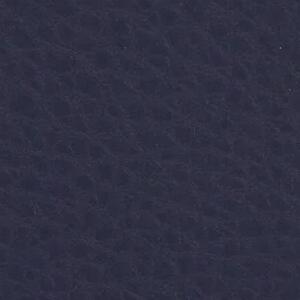
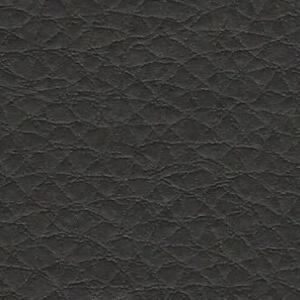
Color matters more than you'd think. A black faux leather hides desk-chair grime and matches nearly every office. Prefer a softer look? A grey faux leather fits the current muted, modern home-office trend and doesn't show dust like black does.
Photo by Noah Kroes on Unsplash
Shop Faux Leather Upholstery Fabrics
How Do You Reupholster Contoured Backs and Bolsters?
Use stretchy or pliable fabric, make a paper pattern, and sew the cover in sections rather than forcing one flat piece over a curve. Gaming chair bolsters, the raised side wings, are the hardest part of the job.
Here's the thing: flat fabric doesn't want to bend in two directions at once. Vinyl and faux leather with a knit backing have a little give, which makes them far more forgiving than rigid weaves. For a heavily contoured back, try this approach:
- Cover the old piece in painter's tape, draw seam lines, and cut it into panels. Now you have a paper pattern.
- Add a 1/2-inch seam allowance to each panel and cut the new fabric.
- Sew the panels inside out with a heavy-duty needle (size 16 or 18) and polyester thread, which resists UV and wear better than cotton.
- Slide the cover over the foam, then staple the edges at the back.
Plus, if sewing sounds like too much, a local upholstery shop can sew the cover while you handle the foam and install. It's a smart hybrid that still costs far less than a new chair.
Honestly, if your chair has stitched diamonds, racing stripes, and a lumbar pillow, expect the back to take twice as long as the seat. Patience pays off here.
How to Reupholster an Office Chair vs. Buying New: What Does It Cost?
DIY reupholstery typically costs $40 to $120, while a comparable new ergonomic chair runs $300 to $1,500. Prices vary by fabric and chair size, but the gap is large.
- Fabric: 1 to 2 yards of faux leather or woven fabric, roughly $20 to $60
- Foam and batting: $15 to $40
- Adhesive and staples: $10 to $20
- Professional reupholstery: often $100 to $250 for a standard task chair, more for shaped gaming chairs
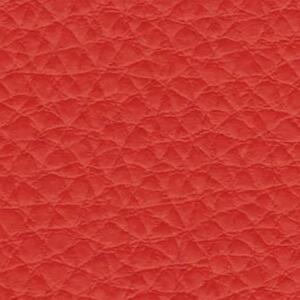
A new mid-range chair has the same frame limits yours does, and many budget replacements use the same peel-prone polyurethane you're trying to escape. Rebuilding a quality chair with heavy-duty fabric often gives you a better seat than a new chair at the same price. A chair with a sturdy frame and a custom brown or cream cover can also match your room instead of looking like office furniture. Warm tones, such as a brown faux leather, are a big fall favorite for cozy home offices.
Tips for a Cover That Lasts
- Order a swatch first and test it. Sit on it, rub it, spill coffee on it.
- Buy extra fabric. Mistakes happen, and a second attempt shouldn't cost you a second shipping fee.
- Use 2-inch foam with a density of at least 1.8 lb per cubic foot. Lower density flattens within a year.
- Clean faux leather with mild soap and water, not alcohol wipes, which dry out the finish.
- Keep pets' claws trimmed, and avoid placing the chair next to a heating vent that bakes the surface.
- Work in daylight. Staple tension is easier to judge when you can see the wrinkles.
Frequently Asked Questions
Q: How long does it take to reupholster an office chair?
Most people finish a basic office chair in 2 to 4 hours, including removing the old fabric and replacing the foam. A contoured gaming chair with bolsters can take a full day because the back requires sewing or careful pleating.
Q: What is the most durable fabric for a desk chair?
Vinyl and faux leather with a woven or knit backing are the most durable options for a desk chair. Look for fabric rated at 30,000 or more double rubs on the Wyzenbeek test for heavy daily use.
Q: Can I reupholster a gaming chair without sewing?
Yes, but only on simpler designs. If your gaming chair has a flat seat, you can staple fabric directly over new foam. Contoured backs and bolsters usually need sewn panels, so consider a local upholstery shop for that part.