
Fall is prime time for furniture refreshes, and if there's one piece that quietly takes the most abuse in your living room, it's the ottoman. Kids stand on it, dogs nap on it, guests prop their feet up on it, and somewhere along the way the fabric gives out long before the frame does. Learning how to reupholster an ottoman is one of the most satisfying weekend upholstery projects you can take on, and it costs a fraction of buying new. This guide walks through tufted, storage-lid, and cocktail ottoman styles, plus how to protect curved edges, work around hinges, and pick a fabric that can actually handle double duty as a footrest and extra seat.
Tufted, Storage-Lid, and Cocktail Ottomans: Know Your Style Before You Start
Not every ottoman comes apart the same way, so figuring out which style you've got before you grab a staple remover saves you a frustrating afternoon.
- Tufted ottomans have buttons pulled deep into the foam with twine or wire, creating that diamond-pattern dimpling. These take the most patience because every button has to be re-anchored through the new fabric in the exact same spot.
- Storage-lid ottomans have a hinged top that lifts for blanket or toy storage. The fabric on the lid is usually a separate panel from the base, and you'll need to detach the hinge hardware before you can strip or reupholster that top piece.
- Cocktail ottomans are the simplest of the three, basically an oversized cushioned box with squared or gently curved edges and no moving parts. They're the best starter project if you've never reupholstered anything before.
Whatever style you've got, take a few minutes before you start to confirm which category it falls into. It changes your whole approach.
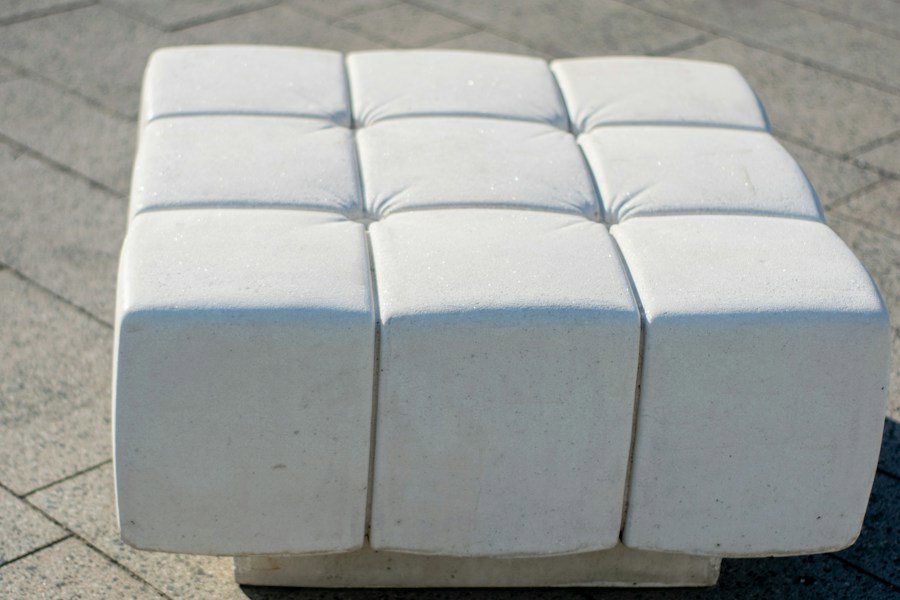
Photo by Sergej ***** on Unsplash
What Fabric Weight Do You Need for an Ottoman?
An ottoman needs upholstery fabric rated for at least 15,000 double rubs on the Wyzenbeek abrasion test, since it gets sat on, stepped on, and used as a footrest far more often than a sofa's back cushion. For homes with kids or pets, aim for 30,000+ double rubs or a Martindale rating of 20,000+ for genuinely heavy domestic use.
The double rub count measures how many back-and-forth motions a fabric can survive before it wears through, and it's the single most useful number to check before you buy. Thin decorative fabrics meant for pillows or drapery will pill or thin out on an ottoman within a season. Standard cotton velvet often tests around 30,000 double rubs, while a solution-dyed velvet upholstery fabric built for heavy household use can push well past that.
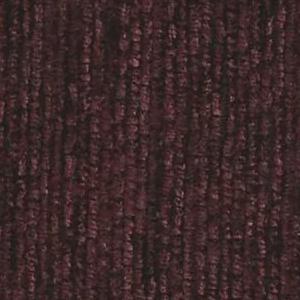
Honestly, chenille is criminally underrated for pieces like this. It's soft underfoot, hides crumbs and pet hair surprisingly well between vacuuming sessions, and a good chenille upholstery fabric can easily clear 30,000 double rubs. If you'd rather have something wipeable for a storage ottoman doubling as a toy box lid, faux leather upholstery fabric is tough to beat for spills and sticky fingers.
Step-by-Step Instructions: How to Reupholster an Ottoman
- Gather your tools and measure the fabric you'll need. You'll want a staple gun, staple remover or flathead screwdriver, pliers, fabric scissors, a tape measure, chalk, and batting if the old padding is compressed or torn. Measure each panel (top, sides, base) and add 3 to 4 inches per side for wrap and pull.
- Photograph everything before you remove a single staple. Take pictures of the tufting pattern, how the corners are folded, where the hinges sit, and how the dust cover is attached underneath. This becomes your rebuild map later, and it's the step most first-timers skip and regret.
- Remove the dust cover on the bottom first. This exposes the staples holding the main fabric to the frame. Lift each staple with a remover rather than yanking the fabric, which can tear the underlying foam or batting.
- Strip the old fabric in sections, not all at once. Peel back one panel at a time and use it as your cutting pattern for the new fabric. On curved or boxed edges, leave the batting or foam wrap in place as you go so the shape doesn't collapse or shift before the new cover goes on.
- Detach the hinges before removing fabric from a storage lid. Unscrew the hinge plates from the lid frame first. Trying to pull fabric around an attached hinge almost always tears the panel or leaves an odd pucker once the new cover goes back on.
- Cut your new fabric using the old panels as templates. Lay the removed fabric flat, pin it to your new material, and trace around it with chalk before cutting. If your fabric has a pattern repeat, center the design on the top panel first since that's the most visible surface.
- Staple the new fabric starting from the center of each side, working outward. This keeps tension even and prevents puckering. For tufted styles, reinsert each button through its original hole and pull the twine tight before stapling the surrounding fabric.
- Reattach the hinges and test the lid before finishing. Screw the hinge plates back into place and open and close the lid a few times to confirm the fabric isn't binding or pulling at the hinge points.
- Finish with the dust cover and any trim or welt cord. Staple the dust cover back over the raw edges underneath, then add decorative nailhead trim or welt cord if the original had it, matching the spacing you photographed in step two.
How Do You Work Around Hinges on a Storage Ottoman?
The safest way to work around hinges is to fully detach the hardware from the lid before removing or attaching fabric, rather than trying to fabric around it while it's still screwed in. This gives you a flat, unobstructed panel to staple and prevents the torn or puckered fabric that happens when people try to work around an attached bracket.
Once the new fabric is stapled and trimmed on the lid, mark the hinge screw holes from the underside using a pin poked through from inside, then cut small X-slits at those exact points before rescrewing the hardware. This keeps the fabric flat and taut around the hinge instead of bunching underneath it.
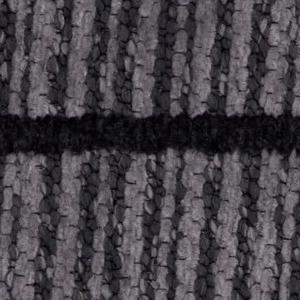
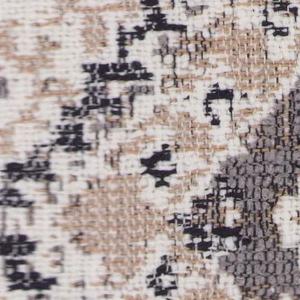
If you're shopping for a fabric sturdy enough for a lid that opens and closes dozens of times a week, a tightly woven option holds its shape far better than something with a lot of stretch or loose nap. Take a look at a few durable, family-friendly picks below before you commit to yardage.
Tips for a Long-Lasting Ottoman Reupholstery
- Buy 10 to 15% more fabric than your measurements suggest, especially for tufted styles where buttons eat up extra yardage.
- Choose a solution-dyed acrylic or performance-treated fabric if the ottoman lives in a sunroom or near a window, since standard dyed fabrics can fade noticeably within a year of direct sun exposure.
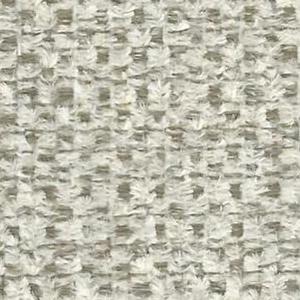
- Textured fabrics like boucle upholstery fabric are having a real moment this season, but check the double rub count before using one on a heavily used piece since some boucles are woven looser than standard upholstery weight.
- If your ottoman has a lot of curved edges, cut your fabric with extra ease around the curve and steam it gently before stapling. It relaxes the fibers and helps the fabric mold to the shape without stress lines.
- Keep your leftover fabric scraps. They're perfect for spot-testing cleaning products or patching a future tear before it spreads.
Frequently Asked Questions
Q: How much fabric do I need to reupholster an ottoman?
Most standard cocktail or storage ottomans need 1.5 to 3 yards of upholstery fabric, depending on size and whether the piece is tufted. Tufted ottomans typically need more yardage because of the fabric pulled into each button.
Q: What is the best fabric for an ottoman that's used as a footrest?
A fabric rated 15,000 double rubs or higher on the Wyzenbeek test, such as chenille, performance velvet, or faux leather, holds up best on an ottoman used daily as a footrest or extra seat. These fabrics resist abrasion, crushing, and surface pilling better than lightweight decorative fabrics.
Q: Can you reupholster an ottoman without removing the old fabric?
You can staple new fabric directly over the old cover if the existing fabric is flat, clean, and not torn, which is a common shortcut for simple cocktail ottomans. This isn't recommended for tufted or storage-lid styles, since the extra bulk interferes with button depth and hinge alignment.
