
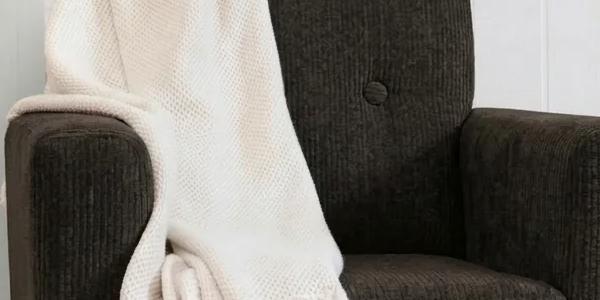
If you've ever tried to sew a bench cushion cover using the same method you'd use for a throw pillow, you already know it doesn't work. A bench or window seat cushion needs structure, a boxed edge, piping to define the corners, and often ties or straps to keep it from sliding around every time someone sits down. This guide walks through the whole process, from measuring foam to sewing the final tie, using real upholstery fabric that's built to handle daily wear instead of quilting cotton that pills and sags within a season.
What Makes Bench Cushion Sewing Different From a Throw Pillow?
A bench cushion requires boxed construction, welting (piping), and often attachment ties, while a throw pillow is just two flat panels sewn together and stuffed. That structural difference means you need heavier fabric, a boxing strip to create depth, and reinforced seams that can handle sitting weight day after day.
Think of a throw pillow as a pillowcase and a bench cushion as a small piece of furniture. It has to hold its shape under 150+ pounds of repeated pressure, resist sliding on a wood or window seat surface, and look tailored from every angle, not just the top. That's why designers spec heavier-weight wovens, chenilles, or performance velvets instead of quilting-weight cotton for this kind of project.
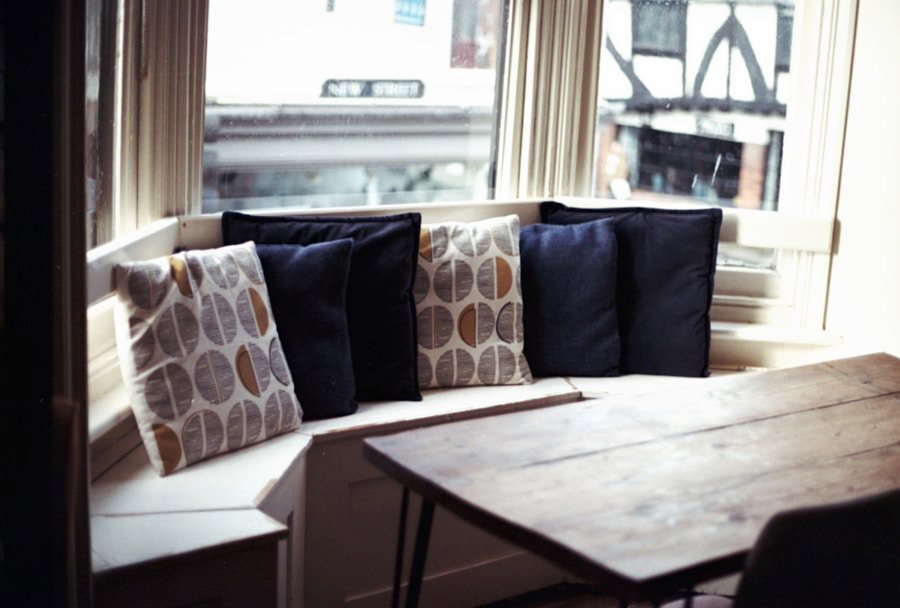
Photo by Annie Spratt on Unsplash
What You'll Need
- Upholstery-weight fabric (see fabric selection notes below)
- High-density foam, cut to your bench dimensions (1.8 to 2.5 lb density holds up best)
- Muslin or batting to wrap the foam (softens sharp foam edges under fabric)
- Piping cord (welt cord), 5/32" or 3/16" is standard for cushions
- Heavy-duty polyester or upholstery thread
- Zipper (invisible or upholstery-grade) or hidden hook-and-loop closure
- Fabric ties, straps, or twill tape for anchoring the cushion in place
- Sewing machine with a walking foot (regular feed dogs struggle with thick layers)
Step-by-Step Instructions
- Measure the bench and order your foam. Measure the seating surface length, depth, and desired thickness. Most bench cushions run 2 to 4 inches thick. Order high-density foam cut about a half-inch larger than your finished measurement so it fits snugly inside the cover once wrapped.
- Wrap the foam in batting. Layer polyester batting or muslin around the foam and hand-baste it loosely. This step softens the foam's edges so you don't get a boxy, hard-cornered look once the fabric goes on, and it also protects the fabric backing from foam friction over time.
- Cut your top, bottom, and boxing panels. Add a half-inch seam allowance to your top and bottom panel measurements. For the boxing strip, cut one long piece (or several joined pieces) equal to the perimeter of the cushion plus seam allowance, and to the thickness of the foam plus seam allowance.
- Make your piping. Cut fabric strips on the bias at about 1.5 inches wide, wrap them around welt cord, and stitch close using a zipper foot or piping foot. Bias-cut piping curves around corners cleanly without puckering, which matters a lot on a rectangular box cushion.
- Attach piping to the top and bottom panels. Stitch piping around the edge of the top panel and the bottom panel separately, right sides together, raw edges aligned. This is what gives a bench cushion that clean, tailored edge instead of a soft, pillowy look.
- Sew the boxing strip to the piped panels. With right sides together, sew the boxing strip along the piped edge of the top panel first, then repeat for the bottom panel, leaving one section of the boxing strip open (usually the back) for your zipper.
- Install the zipper or closure. Set your zipper into the open boxing seam before fully closing it up. An upholstery zipper or heavy-duty separating zipper holds up far better than a lightweight dress zipper under repeated use.
- Add ties or straps before final assembly. Sew fabric ties, twill tape loops, or hidden straps into the boxing seam at the back corners now, while the seam is still open and easy to access. These are what keep the cushion from creeping forward every time someone sits down or a dog jumps up next to them.
- Turn, stuff, and tie down. Turn the cover right side out through the zipper opening, insert the wrapped foam, close the zipper, and tie the straps around the bench legs, spindles, or slats.
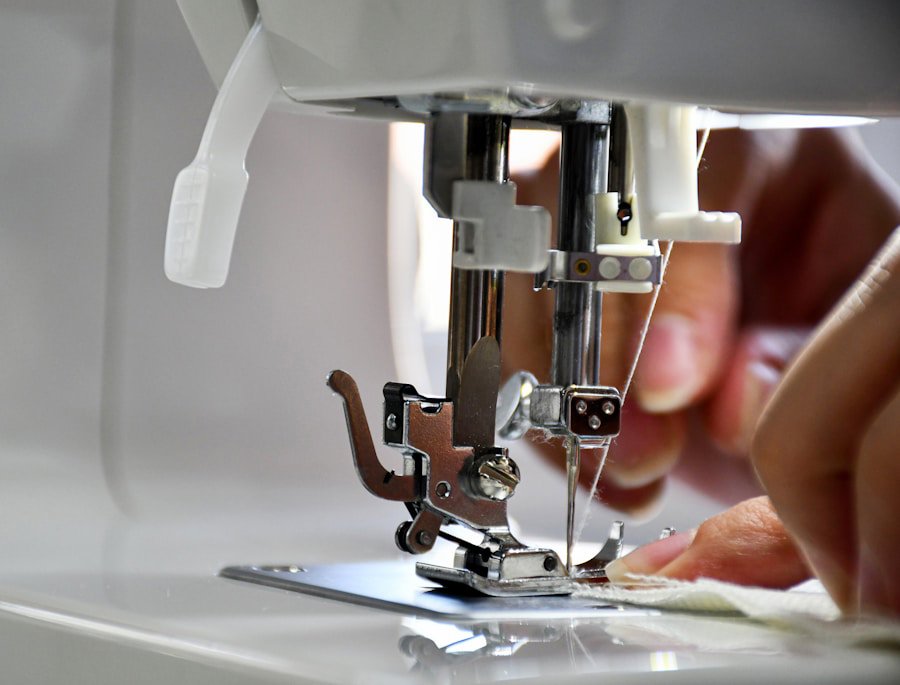
Photo by Omar Alrawi on Unsplash
How Do You Choose the Best Fabric for a Bench Cushion?
The best fabric for a bench cushion is a tightly woven upholstery-weight fabric rated at 15,000 double rubs or higher on the Wyzenbeek or Martindale abrasion test, since bench seating takes more direct sitting pressure than a sofa back or throw pillow ever will.
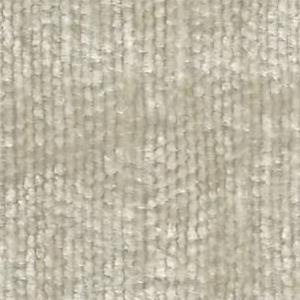
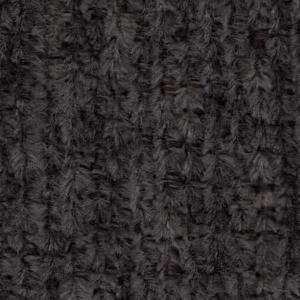
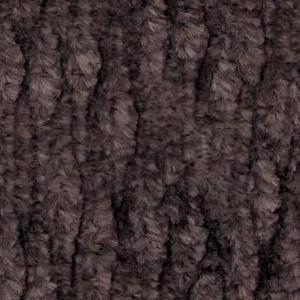
Solution-dyed acrylic and performance chenille are two of the toughest picks for a busy household, because the color runs through the entire fiber instead of sitting on the surface, so fading and wear show up far more slowly. A tightly woven chenille upholstery fabric also resists snagging from pet claws better than a loose bouclé, which matters if your bench doubles as the dog's favorite lookout spot by the window. If you want something with a little more texture and heft for fall layering, a plush velvet upholstery fabric in a deep grey or brown reads warm and seasonal without sacrificing durability, as long as it's a performance weave rated for upholstery use rather than a drapery-weight velvet.
A quick rule of thumb: anything under 9,000 double rubs is decorative-use only, 9,000 to 15,000 is light residential use, and 15,000 to 30,000+ is suitable for high-traffic seating like a bench, mudroom seat, or family room window seat. For neutral, mix-and-match rooms, a durable cream upholstery fabric or a versatile grey upholstery fabric gives you a background piece that plays well with existing throw pillows and seasonal decor.
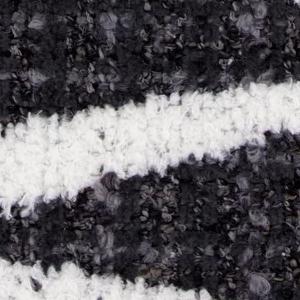
Piping and Welting Tips for a Professional Finish
Piping isn't just decoration. It reinforces the seam where a bench cushion takes the most stress, right at the boxed edge, so it's worth doing well.
- Always cut piping strips on the bias so they wrap smoothly around corners without bunching.
- Use a slightly firmer cord (5/32" or 3/16") for bench cushions than you would for throw pillows. Firmer cord holds a crisper edge under weight.
- Match or contrast intentionally. A contrasting piping color in a stripe or solid can make a plain bench cushion look custom-made rather than DIY.
Keeping the Cushion in Place: Ties, Straps, and Non-Slip Options
Ties sewn into the back boxing seam and looped around bench legs or spindles are the simplest way to stop a cushion from sliding. For benches without spindles, hidden hook-and-loop strips sewn to the underside of the cushion and adhered to the seat work almost as well and stay invisible from the front.
If you've got kids climbing on and off a window seat all day, add a thin strip of non-slip rug grip fabric or silicone dot tape between the foam and the bench surface in addition to your ties. Belt and suspenders, but it works.
Care and Cleaning Tips for Family and Pet Households
Vacuum bench cushions weekly with an upholstery attachment to keep grit from working into the weave, since ground-in dirt is what actually cuts fibers over time, not just surface dust. For spills, blot immediately rather than rubbing, and always spot-test any cleaner on a hidden edge first.
Removable, zippered covers are the whole point of building your own cushion this way. If you spec washable performance fabric, you can pull the cover, machine wash on cold, and pop it back on the foam once it's dry, which is a serious advantage over a fully upholstered bench that has to go to a professional cleaner.
Tips for a Cushion That Actually Lasts
- Size your foam a half-inch larger than the finished cover for a snug, no-sag fit.
- Use a walking foot on your machine when sewing through foam-adjacent thick seams.
- Pre-wash washable fabrics before cutting to avoid shrinkage after the first clean.
- Order a little extra fabric to account for pattern matching across the boxing strip, especially with stripes or florals.
- Browse the full range of upholstery fabrics by weight and durability rating before committing to yardage.
Frequently Asked Questions
Q: How much fabric do I need for a bench cushion cover?
For a standard 48-inch bench cushion at 3 inches thick, plan on 1.5 to 2 yards of upholstery fabric, which covers the top panel, bottom panel, boxing strip, and piping with a small buffer for pattern matching.
Q: What thickness of foam is best for a bench cushion?
Most bench and window seat cushions use 2 to 4 inches of high-density foam (1.8 to 2.5 lb density), which offers enough support for daily sitting without looking overly puffy or compressing flat within a year.
Q: Do I need piping on a bench cushion, or can I skip it?
Piping isn't strictly required, but it reinforces the seam at the boxed edge where a bench cushion takes the most wear, and it gives the finished piece a tailored, upholstered look rather than a homemade one.