
If you've ever tried to sew a floor cushion or meditation pillow out of regular quilting cotton, you already know how this story ends: saggy corners, blown seams, and a cover that looks tired after a few months of real use. Floor cushions live a hard life. They get sat on, kicked, dragged across hardwood, and pressed into service as a dog bed or extra step stool, sometimes all in the same afternoon. That's exactly why upholstery-weight fabric, not quilting cotton, is what you want when you sew a floor cushion built to survive real life. This guide covers fabric selection, fill options, and construction tips for a box or bolster-style floor cushion that holds its shape season after season, which matters even more once fall brings everyone back indoors for movie nights and floor-level reading nooks.
Why Does Upholstery Fabric Outlast Quilting Cotton on Floor Cushions?
Upholstery fabric is woven tighter and tested for abrasion resistance, typically rated between 15,000 and 100,000+ double rubs on the Wyzenbeek test, while quilting cotton is designed for light craft use and rarely exceeds 3,000 double rubs before the weave thins and pills. That gap isn't small. A fabric rated below 15,000 double rubs simply wasn't engineered to be sat on daily, and a floor cushion demands a lot more from a textile than a decorative throw pillow ever will.
The double rub count comes from a machine that rubs fabric back and forth under controlled tension until it shows visible wear. Heavier upholstery fabrics, especially those woven with solution-dyed acrylic or tightly spun polyester blends, resist fading and abrasion far longer than natural-fiber quilting weight cottons. If you're outside North America, you might see the Martindale abrasion test instead, where 20,000+ rubs is considered suitable for heavy domestic use. Either way, the takeaway is the same: floor cushions need fabric built for furniture, not fabric built for quilts.

Photo by Margo Evardson on Unsplash
Choosing the Right Fabric for a Floor Cushion
Not every heavy fabric is created equal, and picking the right weave matters as much as picking something labeled "upholstery grade." A few categories consistently perform well for floor seating that gets real daily use.
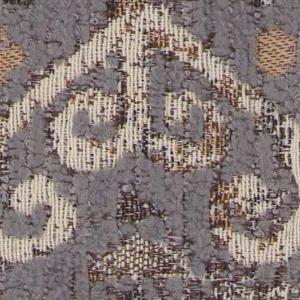
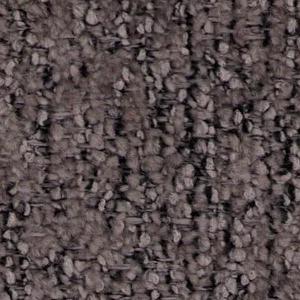
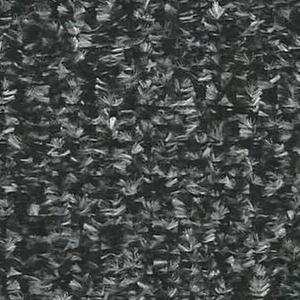
- Chenille has a soft, looped construction that hides crumbs, pet hair, and everyday grime shockingly well, and it's often rated 30,000 to 50,000+ double rubs. Browse chenille upholstery fabric if you want something soft underfoot but tough enough for kids sprawling on the floor.
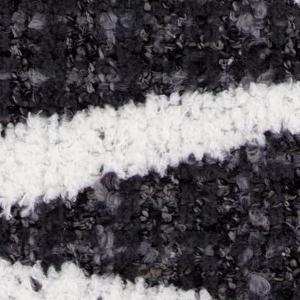
- Boucle is having a real moment right now, and honestly, its nubby texture isn't just a trend, it also does a great job masking wear between cleanings. Check out boucle upholstery fabric for that cozy, textural look that's everywhere in fall decor right now.
- Velvet gets a bad rap for being delicate, but upholstery-weight velvet with a tight pile is surprisingly durable and reads as instantly luxe on a floor cushion. Take a look at velvet upholstery fabric if you want a richer, more formal finish.
- Faux leather or vinyl wipes clean in seconds, which makes it the easy choice for households with toddlers, muddy paws, or a floor cushion that lives near a busy entryway.
Whatever you pick, look for a tight, flat weave with minimal stretch. Loosely woven decorative fabrics might look similar on a bolt, but they'll bag out fast once there's foam pushing against them from the inside.
Step-by-Step Instructions
- Measure and plan your cushion size. Most floor cushions run 24 to 30 inches square, while round meditation pillows typically measure 20 to 24 inches across and 6 to 8 inches deep. Add a 1/2 inch seam allowance to every dimension before cutting.
- Choose your fabric and fill together. Heavier fabric pairs best with firmer foam, since a soft, drapey fabric over dense foam can look boxy instead of relaxed. Buy about 10 percent more yardage than your calculations suggest to account for pattern matching or mistakes.
- Cut three main pieces. You'll need a top panel, a bottom panel, and a long gusset strip (the side wall) cut to your cushion's height plus seam allowance. For a round pillow, cut two circles and one long curved gusset strip.
- Sew the gusset into a loop. Join the short ends of your gusset strip right sides together to form a continuous band, then press the seam open flat.
- Attach the top panel to the gusset. Pin right sides together, clipping small notches into the seam allowance around curves so the fabric lies flat once turned. Sew slowly with a walking foot if your fabric is thick, since heavy upholstery fabric can shift under a standard presser foot.
- Attach the bottom panel the same way, but leave a gap. Leave a 12 to 18 inch opening along one seam so you can insert your foam or fill and add a zipper later.
- Reinforce every stress point. Double-stitch the corners and the edges of your opening, and use a heavy-duty needle (size 100/16 or higher) with polyester or upholstery-weight thread. This is the step people skip, and it's the seam that always fails first on a floor cushion.
- Insert your fill and close it up. Add your foam or fiber fill, then either hand-stitch the opening closed or install a heavy-duty zipper if you want a removable, washable cover.
Photo by Alexander Grey on Unsplash
Foam vs. Fiber Fill: Which Should You Choose for a Floor Cushion?
High-density foam, ideally 1.8 to 2.2 lb density, holds its shape best for floor cushions that get sat on daily, while shredded foam or polyester fiber fill works better for meditation pillows that need to mold slightly to a cross-legged seated position.
- High-density foam: Keeps its square shape, resists sagging, and is easier to cut to an exact size. It's firmer to sit on, which some people love and others find too rigid for long meditation sessions.
- Shredded foam or fiber fill: Compresses and reshapes to your body, which is great for cross-legged sitting, but it needs occasional fluffing and can flatten faster under heavy daily use.
- Hybrid option: A foam core wrapped in a layer of polyester batting gives you shape retention plus a softer surface feel, which is honestly the best of both for most households.
How Do You Clean a Floor Cushion Made from Upholstery Fabric?
Most upholstery fabric floor cushions with a removable, zippered cover can be spot-cleaned with mild soap and water, and fabrics finished with a solution-dyed acrylic or factory stain-resistant treatment can often be machine washed on a gentle, cold cycle. Always check the care tag on the fabric bolt or the manufacturer's care code (W for water-based cleaners, S for solvent-based, WS for either) before you start scrubbing.
Chenille and boucle both hide pet hair and light stains well between cleanings, which is a big reason they're popular for family homes. If you sewed your cushion with a zippered closure, pull the cover for a proper wash every few months and just vacuum it in between. Fabrics with a tighter, flatter weave, like a mid-weight woven or corduroy, also resist ground-in dirt better than anything with a loose, open weave.
Tips for a Floor Cushion That Lasts Years
- Use a walking foot or roller foot on your sewing machine when working with thick upholstery fabric, since it feeds evenly and prevents puckering.
- Add a zipper instead of hand-stitching the opening closed. It costs you ten extra minutes and saves you from ever having to unpick a seam to wash the cover.
- Topstitch around the top and bottom seams for a cleaner finish and an extra layer of reinforcement right where the seam takes the most stress.
- Shop remnants and clearance rolls when you can. Check the upholstery fabric sale section for discounted heavy-weight yardage, since floor cushions don't need huge continuous yardage the way a sofa reupholstery job does.
- If you're making more than one cushion, buy your fabric in a single dye lot. Upholstery fabric can shift slightly in color between production runs, and it's a lot easier to match now than to hunt down a second bolt later.
Frequently Asked Questions
Q: What is the best fabric for a floor cushion?
Heavy-duty upholstery fabric rated 15,000 double rubs or higher, such as chenille, boucle, or tightly woven velvet, is the best choice for floor cushions because it resists abrasion, holds its shape under body weight, and stands up to daily sitting far better than quilting cotton or decorative fabric.
Q: How much fabric do I need to sew a floor cushion?
A standard 24 to 26 inch square floor cushion typically needs about 1.5 to 2 yards of upholstery fabric to cover the top, bottom, and gusset panels, plus a little extra for pattern matching or seam allowances.
Q: Can I use regular cotton for a floor cushion?
Regular quilting cotton can work for a decorative, low-use accent pillow, but it isn't recommended for floor cushions that get sat on daily, since it's typically rated under 3,000 double rubs and will thin, pill, or blow out at the seams within months.