
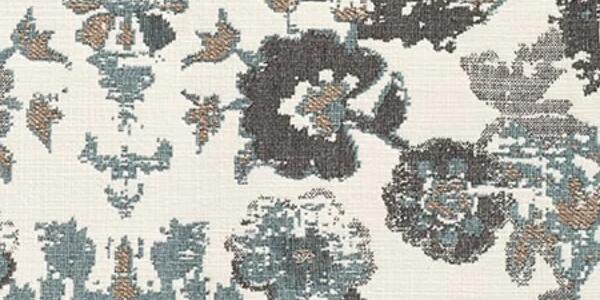
A heavy-duty dog crate mat made from upholstery fabric will outlast quilted cotton by years, and you can sew one in an afternoon. Your dog's claws, wet paws, and weekly trips through the washing machine are brutal on lightweight fabric. Upholstery fabric was built for exactly that kind of abuse. It's Wednesday, the leaves are turning, and the weekend drive is close. Let's get a mat in that crate before the first muddy trailhead.
Why Does Upholstery Fabric Beat Quilted Cotton for a Dog Crate Mat?
Upholstery fabric lasts longer because it's woven tighter, heavier, and tested for abrasion, while quilting cotton is a light apparel-weight cloth that isn't rated for upholstery wear at all. A dog turning circles in a crate is basically running a rub test every night.
Here's the number that matters: double rub count. That's the result of the Wyzenbeek abrasion test (ASTM D4157), where a machine rubs the fabric back and forth until it wears through. One back-and-forth pass equals one double rub. Residential upholstery is generally considered heavy-duty at 15,000 double rubs or more, and many chenille and woven options go well past 30,000. The Martindale test, which is common in Europe, treats 20,000 cycles as heavy domestic use.
Quilting cotton rarely carries any of those ratings. Claws catch a loose weave and pull threads. Stitching lines on a quilted top open up. Mud works into the batting and stays there. Upholstery fabric has a dense, often polyester-based construction. Polyester absorbs under 1% of its weight in moisture, so it dries quickly and doesn't hold onto odors the way cotton does.
Honestly, a lot of pet bedding fails because it was made with the wrong fabric. The sewing was fine.
Photo by Alison Pang on Unsplash
Which Fabric Works Best: Chenille, Woven, or Vinyl-Backed?
Chenille and tight woven upholstery fabrics suit most dogs, and vinyl-backed or vinyl options suit dogs that come home soaked. Choose based on how muddy your adventures get and whether your dog digs or chews.
- Chenille. It's soft, cozy, and hides dirt well, and the dense pile makes a crate feel less like a cage. Look for a tight backing so claws can't hook through. Honestly, chenille is criminally underrated for pet gear. Mid-tone shades like grey chenille upholstery fabric camouflage dust and fur between washes.
- Flat woven. A tight weave with no loops or raised pile gives claws nothing to snag. It sheds hair easily and is the best pick for dogs that scratch their bedding. Browse the woven upholstery fabrics and look for dense, small-scale textures.
- Vinyl or vinyl-backed. Mud wipes off with a damp cloth, and liquid can't soak through. It's ideal for cargo areas and wet-coat dogs, but it runs warmer and feels less cozy. A common compromise is a chenille top over a non-slip backing.
Skip looped fabrics like boucle for this project. Loops are lovely on a sofa and a snagging hazard for toenails.
Color matters more than you'd think. A brown chenille mat looks fresh after a trail walk that would leave cream looking like a crime scene. If you're still deciding, the full upholstery fabric collection lets you filter by texture and shade.
What Do You Need to Sew a Dog Crate Mat?
You need under 1.5 yards of upholstery fabric, a non-slip bottom layer, light padding, bonded polyester thread, and a heavy-duty sewing needle. Most crate mats take about 1 yard of 54-inch-wide fabric.
- Upholstery fabric: about 1 yard for a 36-inch crate, up to 1.5 yards for a 42 to 48 inch crate.
- Padding: 1/2-inch needle-punched polyester batting or thin high-density foam. Go thicker for senior dogs.
- Non-slip layer: a rubberized rug pad or silicone-grip liner cut to your mat size.
- Thread and needle: bonded polyester thread and a size 100/16 or 110/18 needle. Standard needles will bend.
- Tools: walking foot, clips (pins leave holes in rubber), fabric chalk, rotary cutter, tape measure.
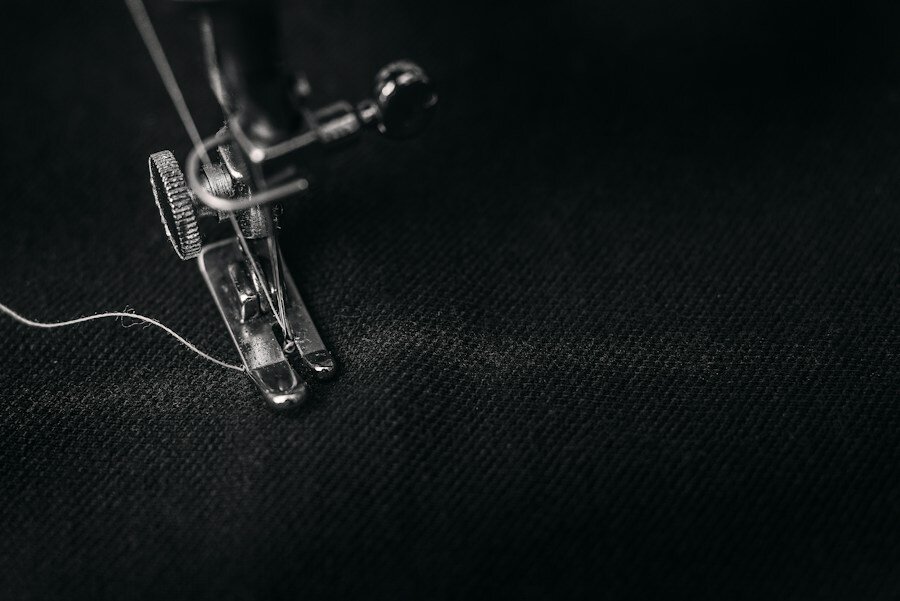
Photo by Alexander Andrews on Unsplash
Step-by-Step Instructions
- Pre-wash your fabric. Wash and dry it the way you'll care for the finished mat. This pre-shrinks the fabric and removes finishing chemicals. Do it now rather than finding out later that your mat shrank an inch.
- Measure the crate floor. Measure the inside bottom, length and width, then subtract 1 inch from each so the mat sits flat without bunching at the walls. Example: a 36 x 23 inch floor becomes a 35 x 22 inch finished mat.
- Cut the top layer. Add 1/2 inch to each side of your finished size. For the example above, cut 36 x 23 inches. Cut the padding and the non-slip layer to the exact finished size, 35 x 22 inches. Making them slightly smaller keeps the rubber from peeking out at the edges.
- Cut the binding. Cut 2.5-inch-wide strips across the fabric width. For a 35 x 22 mat you need roughly 125 inches, so three strips from 54-inch-wide fabric covers it with room for corners. Total yardage for this mat is about 1 yard, which leaves scraps for a matching toy bag.
- Stack the layers. Lay the upholstery fabric face down, then the batting, then the non-slip layer with its gripping side facing away from the batting. Clip the layers together around the edges.
- Quilt the layers. Use a walking foot and stitch length around 3.5 mm. Sew straight lines about 5 inches apart across the mat so the padding doesn't shift or bunch in the wash. If the rubber sticks to the presser foot, slip a piece of tissue paper under it and tear it away afterward.
- Join the binding strips. Sew strips end to end with diagonal seams, press the seams open, then fold the whole strip in half lengthwise, wrong sides together.
- Sew the binding to the top. Align the raw edges of the binding with the mat's edge and stitch with a 1/2-inch seam. Miter the corners by folding the binding up and back down at each corner. Slow down here. Thick layers make corners stubborn.
- Fold and topstitch. Wrap the binding over the edge to the back and clip it in place. Topstitch close to the folded edge, going around twice for extra durability. Double-stitched binding is where a lot of homemade pet mats fail first.
- Test the fit. Drop it in the crate. It should lie flat with a small gap around the edges. Trim and re-bind if it's too big, which is easier than it sounds.
How Do You Make a Matching Car-Trip Pad?
Use the same layer sandwich, sized to your cargo area or back seat footprint. For a standard SUV cargo floor, a 40 x 36 inch pad may need closer to 2 yards of fabric, so plan the cut before buying.
Prefer a vinyl-backed or tightly woven top for the car, since wet dogs and muddy paws are the norm after leaf-peeping hikes. Skip the thick foam in a hot car. Thin batting is cooler and dries faster. Add two fabric loops at the corners to hook onto cargo anchors, which keeps the pad from sliding when you brake.
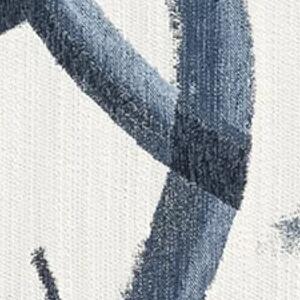
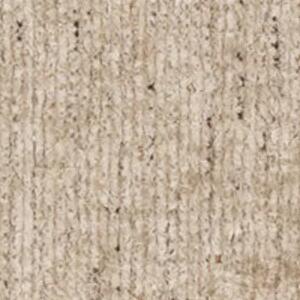
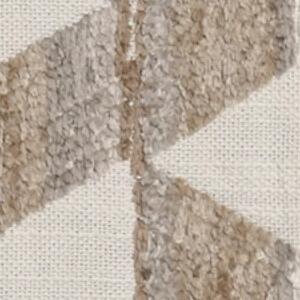
Looking for fabric to match your car interior or living room? These modern textures are dense enough for pet use and look good enough that the mat won't be hidden away. Here are some chenille picks worth browsing.
Shop Chenille Upholstery Fabrics
How Do You Keep a Dog Crate Mat Clean and Shed-Free?
Let mud dry fully, brush it off, then machine wash the mat cold on a gentle cycle and air dry it or tumble on low. Wet mud smears into the weave, and dry mud shakes out almost completely.
- Remove hair first. Tumble the dry mat on a no-heat or air-fluff setting for 10 minutes, or rub it with a damp rubber glove. Hair clumps and is easy to pick up. Then wash.
- Wash cold, skip fabric softener. Softener coats fibers and traps odors. A splash of white vinegar in the rinse neutralizes smells without leaving residue.
- Dry carefully. Low heat only, since high heat can warp rubber backing. Air drying is safest for non-slip layers.
- Spot treat vinyl. A damp cloth and mild soap handle most messes on vinyl-backed or vinyl surfaces.
- Keep a spare. Make two mats from your yardage. Rotate them and you'll never be stuck with a damp crate before a trip.
Tips for a Mat That Lasts
- Choose fabric with a 15,000 double rub count or higher. Aim for 30,000 if your dog is a digger.
- Pick a mid-tone color. Light cream shows everything, and very dark shades show every hair. Browns and greys are the sweet spot.
- Double-stitch the binding corners. They take the most abuse.
- Replace the non-slip layer when it hardens or crumbles. It's the cheapest part of the mat to swap, and you can unpick the binding on one edge and slide a new layer in.
- Add a waterproof layer for puppies or senior dogs. Thin waterproof liner fabric between the top and padding protects the foam without changing how the mat looks.
Frequently Asked Questions
Q: What is the best fabric for a dog crate mat?
Tightly woven chenille or flat woven upholstery fabric with a double rub count of 15,000 or higher is the best choice for most dogs. These fabrics resist claws, wash well, and dry quickly. Vinyl-backed fabric is better for dogs that come home soaked or muddy.
Q: How much fabric do I need for a dog crate mat?
Most crate mats need 1 to 1.5 yards of 54-inch-wide upholstery fabric. A 36-inch crate takes about 1 yard, including fabric for the binding. Larger crates and car cargo pads may need up to 2 yards.
Q: Can you machine wash upholstery fabric dog mats?
Yes, most polyester upholstery fabrics can be machine washed on a cold gentle cycle. Pre-wash the fabric before sewing, skip fabric softener, and air dry or tumble on low. Vinyl-backed fabric should be wiped clean rather than washed.