
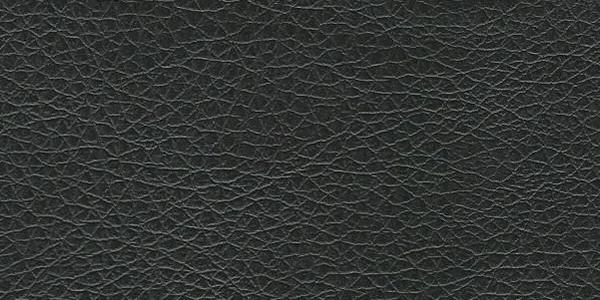
If you want to sew a dog seat cover that survives more than one muddy season, start with the fabric. Most store-bought hammock covers are thin polyester that claws punch through and rain-soaked paws turn into a soggy mess. Upholstery vinyl and faux leather are built for couches, diners, and boats. A back seat full of dog is easy by comparison. Fall makes it a real test, with leaf piles, trailhead mud, and wet fur on every trip. Here's how to make a cover that handles all of it.
Why Does Upholstery Vinyl Outlast Cheap Polyester Seat Covers?
Upholstery vinyl and faux leather last longer because they're engineered for abrasion, with double rub ratings that often reach 100,000 or more. Thin polyester pet covers aren't tested to that standard at all.
A double rub is one back-and-forth pass of a test machine's abrasive head, and it's the number behind the Wyzenbeek abrasion test. Around 15,000 double rubs is a common benchmark for heavy-duty residential seating. Commercial-grade vinyl regularly exceeds 100,000. A fabric rated for tens of thousands of double rubs will outlast a thin polyester hammock cover many times over, because the coated surface resists scratching instead of snagging and tearing.
Claws are the big one. Woven polyester catches a nail and pulls threads. A coated vinyl surface lets nails skate across it. Mud wipes off instead of soaking in. A damp cloth handles most messes, and a mild soap solution handles the rest. Honestly, once you've wiped down a vinyl seat after a wet hike, you'll never want fabric back there.
Photo by Xingchen Yan on Unsplash
Should You Choose Vinyl or Faux Leather for a Dog Seat Cover?
Choose vinyl if you want maximum waterproofing and the toughest surface. Choose faux leather if you want a softer feel and a more upscale look. Both wipe clean easily.
- Vinyl: Typically has a solid PVC coating over a fabric backing, so liquid can't pass through. It's stiff, cheap per yard, and almost indestructible. Browse vinyl upholstery fabrics for the heaviest options.
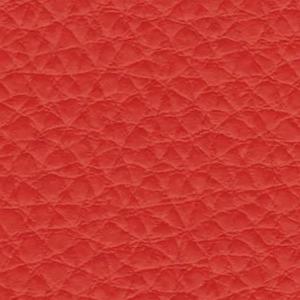
- Faux leather: Usually polyurethane-coated, which makes it more supple and a bit quieter. It drapes better around curved seat bolsters. Our faux leather upholstery fabrics come in a range of finishes that look great in a car.
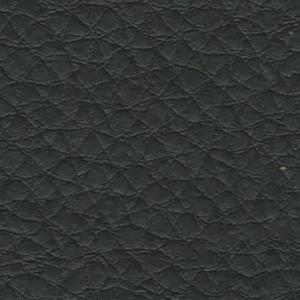
Color matters too. Black hides mud and dog hair of every shade except white, and black vinyl upholstery fabric is a solid choice for a dark interior. If you've got a light-colored dog, a brown or grey tone camouflages hair better.
One more thing: skip very thick, stiff vinyl with a heavy fabric backing if you're a beginner. Medium-weight (about 1 to 1.2 mm thick) is far easier to turn and stitch.
What Do You Need to Sew a Dog Seat Cover?
You need about 2 to 3 yards of 54-inch-wide vinyl or faux leather, plus a few notions. Most bench seats fit a standard cover with room to spare.
- 2 to 3 yards of upholstery vinyl or faux leather
- Kraft paper, newspaper, or butcher paper for the template
- Heavy-duty bonded polyester or nylon thread (size 69 or 92)
- Size 100/16 or 110/18 needles, preferably leather or denim type
- Walking foot or Teflon foot for your machine
- Wonder clips or binder clips
- 2-inch nylon webbing and side-release buckles for headrest straps
- Binding tape, grosgrain ribbon, or extra vinyl strips for edges
- Non-slip shelf liner for the underside
- Rotary cutter or sharp scissors, a tape measure, and a marker
Step-by-Step Instructions
- Measure the bench seat. Measure the seat width across the front edge, the depth from the seat back crease to the front lip, and the height of the seatback from crease to the top of the headrests. Add 4 inches to every measurement for tuck-in room. Write everything down and note where the seat belt buckles and headrest posts sit.
- Make a paper template. Tape kraft paper across the seat and the seatback and trace the outline with a marker. Cut out the paper and lay it flat. Mark seat-belt openings and headrest post locations directly on the template. Test-fit it, trim it, and fit it again. Paper mistakes are free, vinyl mistakes aren't.
- Cut the vinyl. Lay the vinyl backing side up, secure the template with weights, and trace around it. Cut with a rotary cutter or sharp scissors using long, steady strokes. Cut the seat and seatback panels so they join at the crease. You can also cut one long piece that wraps from seat to seatback and skip the seam.
- Add seat-belt slots. Cut each slot about 1.5 inches wide and 5 inches long. Reinforce the slot with a scrap patch of vinyl glued or stitched to the backside, then bind the edges with tape or fold-over strips. The belt buckle should pass through freely so you can still buckle in a harness. Test it before moving on.
- Bind the edges. Vinyl doesn't fray, so binding is optional. It still looks finished and keeps corners from curling. Clip the binding in place, then stitch through all layers. Go slowly at corners and clip every inch or so.
- Install headrest straps. Cut two lengths of 2-inch webbing and stitch one end to the top edge of the seatback panel. Attach a side-release buckle to the other end so it loops behind each headrest and clicks shut. Box-stitch each strap with an X inside a rectangle so it can take a tug.
- Stitch the seams. Set your stitch length to 3.5 to 4 mm. Shorter stitches perforate vinyl like a postage stamp and can tear along the line. Use your walking foot and sew with a slow, steady speed. Backstitch only a short distance at the ends.
- Add the grip layer. Cut non-slip shelf liner to the size of the seat panel and stitch or glue it to the bottom. Vinyl on leather seats slides like a hockey puck without it. Optionally, push foam pipe insulation into the seat crease to keep the cover from creeping.
- Test fit and trim. Put the cover in the car, buckle the headrest straps, and snug it in. Tweak any areas that bunch. Take it for a short drive before the big hike.
Photo by J Williams on Unsplash
Which Sewing Tips Make Thick Vinyl Easier to Handle?
The best tips for sewing thick vinyl are a walking foot, a 100/16 or 110/18 needle, and clips instead of pins. These three changes prevent most skipped stitches and sticky feeding.
Pins leave permanent holes in vinyl and faux leather. That's the real reason to use clips. Wonder clips hold layers without puncturing anything. A walking foot feeds the top and bottom layers at the same speed, so vinyl doesn't stretch or shift. If your presser foot still sticks, a Teflon foot or a strip of tape on the foot's bottom helps it glide.
Changing needles matters more than most people think. Thick coated fabric dulls a needle fast, and a dull needle skips stitches and tears the surface. Swap it out halfway through a big project. Also, keep your thread tension a touch looser than usual, and test on a scrap first.
Which Fabric Color Should You Pick for Your Dog's Seat Cover?
Pick a mid-tone or dark color that matches your dog's coat. It hides hair and dried mud best and keeps wipe-downs less frequent.
Fall trips mean leaves, burrs, and wet dirt, so patterns are your friend too. Budget-minded? Check the upholstery fabric sale page for discounted yardage. Vinyl and faux leather are forgiving, so a bargain remnant often works fine for a back seat project.

Tips for Cleaning and Caring for Your Cover
- Wipe it down right away. Fresh mud wipes off with a damp cloth. Dried mud takes a soft brush first, then a cloth.
- Use mild soap. A few drops of dish soap in warm water handles most grime. Skip harsh solvents, which can dry out and crack the coating.
- Trim your dog's nails. Even tough vinyl scratches if nails are long and sharp.
- Don't forget safety. A seat cover isn't a restraint. Clip a crash-tested harness to the seat belt through your reinforced slots.
- Store flat or loosely rolled. Sharp folds can leave creases in vinyl, especially in cold weather.
Frequently Asked Questions
Q: What is the best fabric for a dog seat cover?
Upholstery vinyl is the best fabric for a dog seat cover because it's waterproof, claw resistant, and wipes clean in seconds. Faux leather is a good second choice if you prefer a softer feel and still want an easy-clean surface.
Q: What size needle do you use to sew vinyl?
Use a size 100/16 or 110/18 needle to sew vinyl and faux leather. Leather or denim needles work best, and you should pair them with heavy bonded polyester or nylon thread and a walking foot.
Q: Can you use pins when sewing vinyl?
No, you shouldn't use pins on vinyl because they leave permanent holes in the material. Use wonder clips or binder clips to hold layers together while you sew.