
A heavy-duty draft stopper is the cheapest fix for cold air creeping under a door, and fall is when you'll notice it most. The catch is that most DIY versions are sewn from quilting cotton, which frays at the seams, flattens within a month, and gets dragged across the floor by the dog. Sew yours from upholstery fabric instead. It's a Friday-afternoon project that can last for years, and a one-yard cut makes several.
Why Does Upholstery Fabric Beat Quilting Cotton for a Draft Stopper?
Upholstery fabric is built to take friction, so it resists the daily scuffing, tugging, and pet traffic that wear out a draft stopper. Quilting cotton typically weighs around 4 ounces per square yard, while upholstery fabric commonly runs 8 to 14 ounces or more.
That extra weight matters. Heavier fabrics have tighter weaves, so rice or sand can't work its way through the cloth. They also hold a tube shape instead of slumping into a limp sausage. Residential upholstery fabrics are often rated for 15,000 or more double rubs on the Wyzenbeek test, and heavy-duty ones reach 30,000. A double rub is one back-and-forth pass of an abrasive over the fabric, so higher counts mean longer life. A draft stopper doesn't need a commercial rating, but it's nice knowing your snake is tougher than your sofa needs to be.
Honestly, it's also a smart way to use up scraps. Remnants from a chair or pillow project are the perfect size.
Photo by Emily Irene Photo Co. on Unsplash
What Is the Best Fabric for a Door Snake?
The best fabric for a door snake is a dense woven or chenille upholstery fabric in the 9 to 14 ounce range. Both resist abrasion, hide dirt, and stay put on the floor.
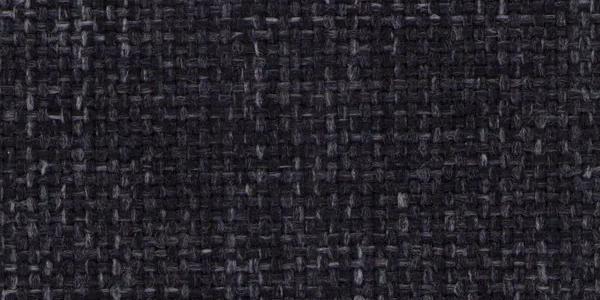
- Woven fabrics: A tight, flat weave resists snags and stays crisp. Our grey woven upholstery fabric hides pet hair and floor dust well, which is a big plus beside an entry door.
- Chenille: The soft, pile-like yarns make it cozy, and the textured surface grips the floor a little. Chenille upholstery fabric is criminally underrated for small home projects like this.
- Faux leather or vinyl: Wipeable, but stiffer to sew and harder to turn right-side out. Save it for the removable cover only if you're comfortable with it.
- Skip: Loose-weave boucle and delicate velvets. They snag on pet claws and shed pile along the floor.
Look for fiber content that includes polyester or acrylic blends. Polyester has a low moisture absorption rate of about 0.4 percent, so it won't hold dampness from wet boots or a winter-slush entryway.
How Do You Measure a Draft Stopper for Standard and Wide Doors?
Measure the width of the door slab at the bottom, then make the finished snake the same length. Most interior doors are 30 to 36 inches wide, and wider doors run 36 to 42 inches.
- Standard 32 or 36 inch door: Cut a piece 37 to 41 inches long by 10 inches wide. That includes a half-inch seam allowance on every edge.
- Wide 42 inch door: Cut 43 inches by 10 inches. Consider dividing the tube into three or four sections so the fill can't pile at one end.
- Double doors: Make two snakes, one per leaf. A single long snake is hard to position and flops in the middle.
The 10 inch cut width gives a finished tube about 9 inches around, or roughly 3 inches across. That's thick enough to seal most gaps without blocking the door swing. Measure your gap first. If you can slide a pencil under the door, you're losing heat.
What Is the Best Filling for a Door Snake?
The best filling is a mix of rice and poly-fil for most homes. Rice gives weight and drape, and poly-fil keeps the snake from feeling like a brick.
- Dry rice: Weighs about 6.5 ounces per cup. It's cheap and easy to pour. Keep it dry, since moisture can cause mold or attract pests.
- Play sand: Roughly 13 ounces per cup, so it's about twice as dense as rice. It's ideal for light, drafty doors but heavy to handle. Always seal it in a zip bag or inner liner first.
- Poly-fil: Lightweight and washable. Alone, it won't hold the snake against the door, so pair it with a weighted material.
- Mix: Try 3 cups rice plus a handful of poly-fil per foot of length. That gives you a firm, flexible snake that conforms to the threshold.
Expert tip: for pets and kids, avoid loose fill that could spill. An inner muslin liner sewn with double seams is the safest setup.
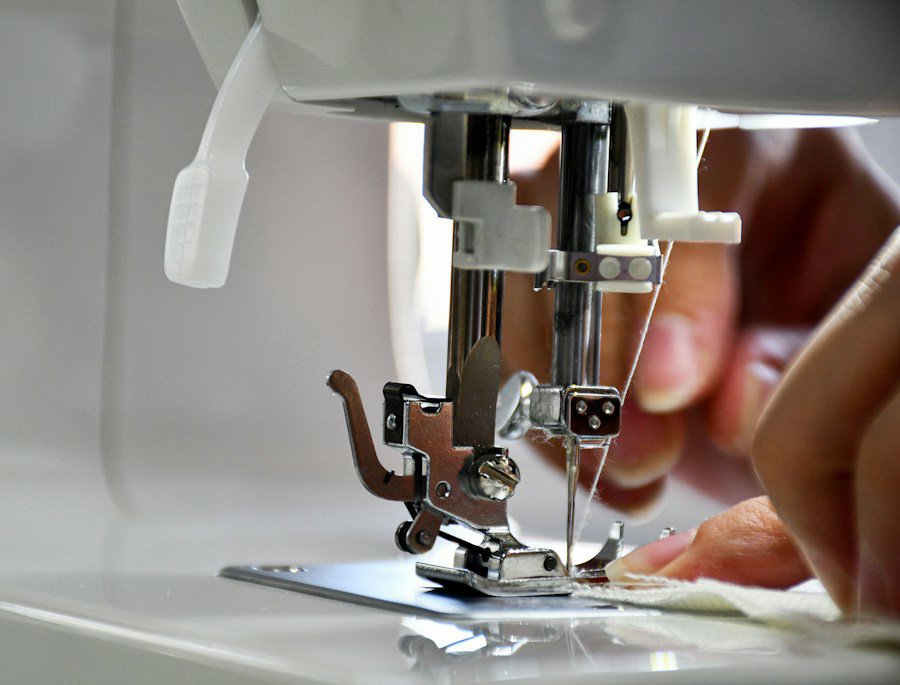
Photo by Omar Alrawi on Unsplash
Step-by-Step Instructions
- Gather your supplies. You'll need upholstery fabric, upholstery or heavy-duty polyester thread, a size 16/100 needle, scissors or a rotary cutter, pins or clips, a funnel, and your filling. A zip bag or muslin scrap works for the inner liner.
- Cut the fabric. Cut a rectangle using the measurements above. Cut along the fabric's grain so the tube hangs straight. Cut two small fabric rectangles if you want separate end caps.
- Finish the raw edges. Upholstery weaves can fray, so zigzag or serge the edges before assembly. Skipping this is how heavy fabric turns into spaghetti.
- Fold and pin the long edge. Fold the rectangle in half lengthwise with right sides together. Pin or clip every few inches to keep the thick layers from shifting.
- Sew the long seam with reinforcement. Use a 3 mm stitch length and a half-inch seam allowance. Sew once, then run a second line of stitching a quarter inch inside the first. Backstitch at both ends. Double-stitched seams are what stop the stuffing from escaping.
- Close one end. Flatten the tube so the seam sits in the center, then sew straight across one end. Stitch it twice. Turn the tube right-side out with a long wooden spoon handle if the fabric fights you.
- Fill in sections. Use a funnel to pour in about a third of your filling. Pin or sew a divider seam, then add more. Sections stop the fill from migrating to one side every time the door moves.
- Close the final end. Fold the raw edge inward half an inch, pin, and topstitch twice across. For extra durability, hand-stitch the opening with a ladder stitch before the machine pass.
Want to shop for the right fabric before you start? Here are some dense options that make great draft stoppers.
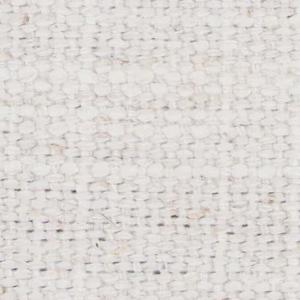
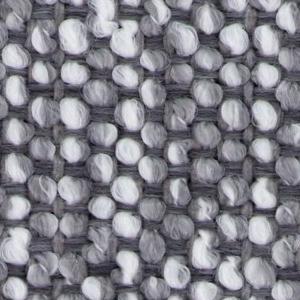
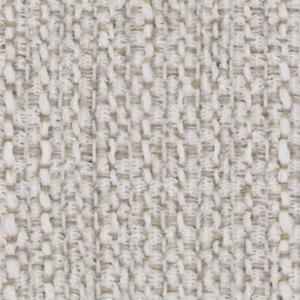
How Do You Make a Washable Draft Stopper Cover?
To make a washable draft stopper, sew a removable cover with a zipper or envelope closure around a separate inner tube. Wash the cover, and spot-clean the filled liner.
Start by sewing a simple muslin tube and filling it as above. Then sew the upholstery fabric cover about an inch wider and longer. For an envelope closure, make the back panel from two overlapping pieces, about 4 inches of overlap, so the liner slides in and stays put. If you prefer a zipper, a 36 inch zipper makes it easy to open fully.
Wash the cover on gentle in cold water, then air dry. Always check the care recommendations for your fabric, since some chenilles and backed fabrics have specific guidance. Pre-washing the fabric before sewing prevents the cover from shrinking later. If you're on a budget, scan the upholstery fabric sale for remnants and clearance cuts. A draft stopper only needs about half a yard.
How Do You Keep a Draft Stopper From Sliding?
Keep a draft stopper from sliding by adding a grippy underside, using a double-sided design, or pairing it with a slightly weighted center. Most slipping happens because the door pushes the snake out of position every time it opens.
- Non-slip shelf liner: Glue or stitch a strip of rubberized shelf liner along the bottom. It's cheap and works on tile and hardwood.
- Double-sided snake: Sew two tubes joined by a flat fabric sleeve that slides over the door's bottom edge. One tube sits on each side, so it travels with the door. This is the pro move.
- Weight the middle: Put the heaviest fill in the center two sections.
- Textured fabric: Chenille's pile clings better to rugs than slick weaves.
Tips for a Draft Stopper That Lasts
- Use a walking foot or a heavy-duty needle if your machine struggles with thick layers.
- Pick a color that matches your trim or floor. A neutral like brown woven upholstery fabric hides scuffs from boots and paws.
- Test the fit before final closing. A snake that's too fat will scrape the door.
- Store it out of the way in summer. Sunlight and heat can fade fabric and break down fill over time.
- Make a matching set for the back door, the garage entry, and a drafty bedroom.
Sew once, stay warm all season. Your heating bill will fall, and so will your cold feet.
Frequently Asked Questions
Q: What is the best fabric for a heavy-duty draft stopper?
The best fabric is a dense woven or chenille upholstery fabric weighing 9 to 14 ounces per square yard. These fabrics resist abrasion, hold their shape, and keep fill from leaking through the weave better than thin quilting cotton.
Q: How long should a door draft stopper be?
A door draft stopper should match the width of your door. For a standard 36 inch door, cut the fabric about 37 to 41 inches long and 10 inches wide so the finished tube is roughly 36 inches long and 3 inches across.
Q: What should I fill a draft stopper with?
The best fill is a mix of dry rice and poly-fil. Rice adds weight so the snake sits flat against the door, and poly-fil keeps it flexible. Play sand works for extra weight if you seal it in an inner liner first.