
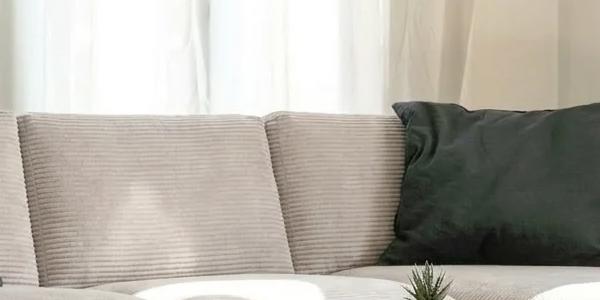
Every house has that one spot. It's the corner by the fireplace or wood stove where the dog curls up, the kids build block towers, and somebody always ends up sitting on cold stone. A fireside floor mat fixes that. It's a thick, padded, drag-friendly pad you can toss down for sitting, then carry off by the handle when the fire's out. Fall is the perfect time to sew one, and upholstery fabric is the right material for the job.
Here's the whole project: choosing a fabric that survives daily abuse, sizing and padding the mat, sewing boxed corners and a sturdy handle, and keeping everything a safe distance from open flame. No fancy skills needed. If you can sew a straight line, you can do this in an afternoon.
What Fabric Is Best for a Fireside Floor Mat?
Upholstery-weight chenille, tightly woven fabric, or corduroy is best for a fireside floor mat. These fabrics are made to be sat on every day, and they're rated for abrasion in a way that quilting cotton never is.
Here's the number that matters. Quilting cotton typically weighs 3 to 5 ounces per square yard. Upholstery fabric usually runs 10 to 20 ounces. That's three to four times the material, with a denser weave and often a backing. Durability is measured in double rubs (Wyzenbeek test) or Martindale cycles. Fabric rated for 15,000 double rubs handles normal household seating, and 30,000 or more is considered heavy-duty. A hearth mat gets sat on, dragged across brick, and clawed at, so aim high.
- Chenille: Soft, dense, and forgiving. The twisted pile hides wear and feels great under your legs. Honestly, chenille is criminally underrated for floor-level projects. Browse chenille upholstery fabrics for the full range of weights.
- Woven fabrics: Flat, tight weaves resist snagging, which makes them good for homes with cats and dogs.
- Corduroy: A sturdy cotton or cotton-blend option with a retro, cabin-friendly look. Wide-wale corduroy is a cozy choice for this project.
- Skip these: Loopy boucle snags on claws, and vinyl or faux leather can warp or stick when heated. Keep those for chairs farther from the flames.

Photo by Clay Banks on Unsplash
What You'll Need
Gather supplies before you cut anything. This is a budget-friendly project, and one to two yards of fabric covers most sizes.
- Fabric: 1.5 yards of 54-inch-wide upholstery fabric for a 24 x 36 inch mat. Get a little extra for the handle.
- Foam: 2-inch-thick high-density foam (around 1.8 lb density) cut to size. Fiber-filled batting compresses flat in weeks, so don't use it.
- Zipper: One 30-inch heavy-duty zipper, or a length of zipper tape, so you can wash the cover.
- Thread and needle: Bonded polyester or nylon upholstery thread and a size 100/16 or 110/18 needle.
- Handle material: Leftover fabric, or 1.5-inch cotton webbing if you want extra strength.
- Tools: Walking foot, clips (pins can leave holes in chenille), fabric chalk, and an electric knife for trimming foam.
Color matters more than you'd think here. A mat that lives on a hearth collects ash, dog hair, and bark flecks. Grey chenille upholstery fabric and brown chenille both hide the mess beautifully and suit the warm, earthy palettes everybody's decorating with this season.
Step-by-Step Instructions
- Measure and decide on size. A seat pad works well at 18 x 18 inches. A floor mat for two or for a pet bed is better at 24 x 36 inches. Measure your hearth too, so the mat doesn't hang off the edge or crowd the firebox.
- Cut the foam. Mark the foam with a marker and slice it with an electric knife held straight up and down. Cut it exactly to your finished size, with no extras. The cover should fit snugly so the mat looks plump rather than saggy.
- Cut the fabric. Cut two panels, each 1 inch larger than your foam in both directions. That gives you a half-inch seam allowance all around. Also cut two handle strips, each 5 x 16 inches. Chenille and corduroy have a nap, so cut every piece with the pile running the same direction or the color will look off.
- Finish the raw edges. Upholstery fabrics fray and chenille sheds. Zigzag stitch or serge all the cut edges now, before they unravel into a mess on your sewing table.
- Make the carry handle. Fold each strip in half lengthwise, then press the raw edges in to meet the center fold. Fold again so you have a 1.25-inch-wide strap. Topstitch along both long edges, then sew a second row for strength. Fold it into a loop. Place both raw ends on the right side of one short edge of the top panel, centered, with the loop pointing inward.
- Install the zipper. Sew the zipper into the opposite short edge, between the top and bottom panels. Use a zipper foot, and leave the zipper open halfway before you move on. Then you can turn the cover right side out later without a struggle.
- Sew the remaining seams. With right sides together and clipped in place, stitch the other three sides. Use a 3 to 3.5 mm stitch length and a walking foot to prevent the layers from shifting. Go back and forth over the handle ends in a box-and-X pattern. The handle is the highest stress point on the whole mat, so reinforce it twice.
- Box the corners. At each corner, pinch the seam so it forms a point, with the side seam lined up over the bottom seam. Measure 1 inch from the tip and stitch straight across. Trim the point off, leaving a half-inch allowance. This simple trick gives the mat squared-off depth without needing a boxing strip.
- Stuff and zip. Turn the cover right side out, poke out the corners, and squeeze the foam in. Fold the foam like a taco to slide it in. Zip it closed and give it a good fluff.

Photo by Omar Alrawi on Unsplash
Why Does Upholstery Fabric Outlast Quilting Cotton?
Upholstery fabric outlasts quilting cotton because of its weight, tighter weave, and higher fiber density. It's engineered to take thousands of abrasion cycles, while quilting cotton wears through under a fraction of that.
Think about what a hearth mat goes through. Someone plops down on it with sharp jeans. The dog scratches in circles. A kid drags it across rough brick, and then someone drags it back. Quilting cotton pills, thins, and splits at the seams. Chenille's dense pile spreads the friction across thousands of tiny fibers, so wear doesn't show up right away. Corduroy ridges protect the base weave underneath. A tight woven upholstery fabric has so many interlaced yarns that claws have a hard time catching on anything.
One more thing: stitch strength. Fabric that's thick enough to hold a seam under load is what keeps the handle attached when somebody hauls the mat across the room by one corner.
If you're sewing several mats, say one for each fireside spot or as gifts, check the upholstery fabric sale page. Heavy fabrics add up quickly in cost, and remnants and markdowns stretch the budget.
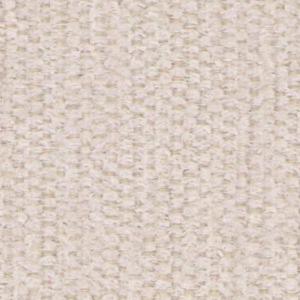
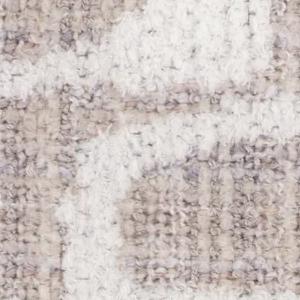
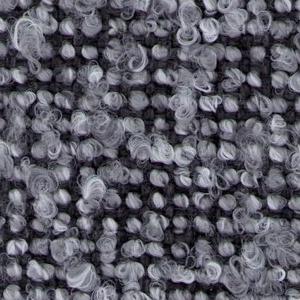
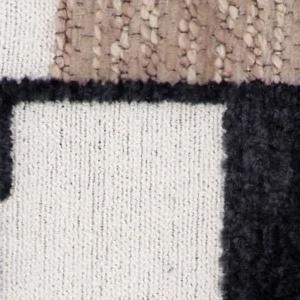
Ready to pick your fabric? Here's a look at some of our chenille options that work especially well for a project like this.
How Close Can a Hearth Seat Pad Sit to a Fire?
Keep a hearth seat pad at least 3 feet from an open flame, wood stove, or any heat source. That's the standard clearance recommended by fire safety organizations for anything flammable, and it applies to fabric and foam alike.
Here's the thing: no standard upholstery fabric or polyurethane foam is flameproof. Cotton and corduroy burn readily. Polyester chenille can melt and stick to skin. Foam ignites quickly and burns hot. So treat this mat as a seat for the glow of the fire, not a spot to push up against the glass.
- Never place the mat on the hearth ledge itself when the fire is burning, since embers can pop out.
- Use it with a screen or glass doors. Spark protection is the most important safeguard in the room.
- Pick it up when you're done. The carry handle does double duty as a safety feature. Move the mat away before you leave the room or go to sleep.
- Check your smoke and CO detectors before the first fire of the season.
- Look at wood stoves differently. Their surfaces get much hotter than a fireplace opening, so follow the manufacturer's clearance chart and add extra distance for pets and kids.
How Do You Clean a Fireside Floor Mat?
Vacuum the mat weekly with an upholstery attachment, spot clean spills with mild soap and water, and unzip the cover for washing only if the fabric's care label allows it. Always air dry, because dryer heat can damage backing and shrink fabric.
Fireplaces mean ash and soot, and ash is abrasive. Vacuum it before it grinds into the fibers. For pet hair, a rubber squeegee or damp rubber glove lifts it right off chenille. Foam should never go in the washing machine. If you pre-wash your fabric before sewing, you'll avoid surprise shrinkage later. Do this with a test swatch first, especially with corduroy and chenille blends.
Tips for a Mat That Lasts
- Add non-slip backing. A square of rug gripper or a rubberized shelf liner stitched to the bottom keeps the mat from skating on hardwood.
- Test your stitching first. Sew a scrap sandwich of two fabric layers and a handle fold to check tension before you commit to the real seams.
- Choose a solid or subtle texture. Fine ash and pet hair vanish into mid-tone shades. Pale colors show every speck.
- Rotate and flip. Turn the mat every few weeks so wear spreads out evenly.
- Don't scrimp on thread. Cheap all-purpose thread snaps under the strain. Bonded upholstery thread costs a few dollars more and saves the whole project.
Frequently Asked Questions
Q: What is the best fabric for a floor mat you sit on?
Upholstery-weight chenille, tightly woven fabric, or corduroy is best for a sit-on floor mat. Look for fabric rated at 15,000 double rubs or more, and 30,000 for heavy daily use with kids or pets. These fabrics are thicker and more abrasion-resistant than quilting cotton.
Q: How thick should the foam be for a hearth seat pad?
Two inches of high-density foam is the best thickness for a hearth seat pad. It's soft enough to sit on comfortably, firm enough to hold its shape, and thin enough to carry easily. For a pet bed or lounging mat, you can go up to 3 inches.
Q: Is it safe to use a fabric floor mat near a fireplace?
It's safe if you keep it at least 3 feet from open flame or a wood stove and use a fire screen or glass doors. Fabric and foam aren't flameproof, so always move the mat away from the fire when you're done sitting and before leaving the room.