
Learn how to sew a firewood log carrier from upholstery fabric and you'll never baby another canvas tote again. It's a Friday-night-to-Saturday-afternoon project, it takes about one yard of fabric, and it's ready right when the first cold evenings roll in. You cut one big rectangle, add two reinforced handles, and stitch the stress points like you mean it. That's the whole pattern.
Why Use Upholstery Fabric for a Firewood Log Carrier?
Upholstery fabric works for a firewood log carrier because it's built to survive abrasion that would destroy lighter cloth. A fabric rated at 100,000+ double rubs has been tested to resist friction roughly three times beyond the 30,000 double rub threshold usually labeled heavy-duty commercial.
Here's what a double rub is. In the Wyzenbeek test (ASTM D4157), a cotton-duck-covered cylinder scrubs back and forth across the fabric. One full pass in both directions equals one double rub. The test stops when the yarns visibly wear through. The higher the number, the longer the fabric holds out.
Firewood is about the worst thing you can throw at a textile. Bark is gritty, split faces are full of splinters, and a single armload can weigh 25 to 40 pounds. Quilting cotton weighs around 4 ounces per square yard and snags the second a splinter touches it. Untreated canvas is tougher, but it soaks up sap and soot and frays at the seams. Upholstery fabric is heavier, tighter, and made to be sat on for a decade.
Fun fact: the same fabric that survives your kids, your dog, and a Thanksgiving crowd on the sofa will shrug off a pile of oak. Honestly, it's a great use for a yard you bought for another project.

Photo by Timo C. Dinger on Unsplash
What Fabric Is Best for a Log Carrier?
Tightly woven upholstery fabric with a double rub count of 50,000 or more is the best all-around choice. Chenille and vinyl also work well, with different trade-offs.
- Woven: The workhorse. A flat, dense weave gives splinters nothing to grab, brushes clean with a stiff broom, and sews predictably. Choose this if you're hauling from an outdoor wood pile.
- Chenille: Honestly criminally underrated for hearth totes. A heavy-duty chenille upholstery fabric with a dense backing is soft on your forearms and cozy to look at. The pile can trap bark dust, so it suits shorter trips from a covered rack or garage.
- Vinyl: Wipes clean in seconds, and sap and wet bark don't soak in. Vinyl upholstery fabric gets stiff in freezing temperatures, so it's better for a hearth tote than a pile out in the snow. Use a Teflon or roller foot, since vinyl sticks to a regular presser foot.
Check the product page for the double rub rating before you buy. Skip anything with a delicate pile or a loose, open weave. Those are lovely on a reading chair and miserable around kindling.
What Color Hides Soot and Bark Dust?
Dark, warm mid-tones hide soot and bark dust best. Chocolate brown, charcoal grey, and black all disguise the gray-brown grime that firewood leaves behind.
Here's the thing: a pale cream carrier looks great for about one afternoon. A brown woven upholstery fabric has a natural advantage because bark dust is brown, and the color match makes dirt nearly invisible. If your hearth is modern and monochrome, black upholstery fabric looks sharp next to a wood stove and hides ash completely. A heathered texture or a tweedy flecked weave helps too, because the pattern breaks up smudges visually.
What You'll Need to Sew a Log Carrier
A single yard of 54-inch-wide upholstery fabric covers the whole project, with a little left for a matching coaster or two. The right needle and thread matter more than the machine.
- Fabric: 1 yard (36 inches long by about 54 inches wide). If your fabric is narrower, buy 1 1/4 yards to be safe.
- Needle: Size 100/16 or 110/18 denim or jeans needle. Use a topstitch needle if your thread is thick. Change it once it dulls, because heavy fabric blunts needles quickly.
- Thread: Bonded nylon or polyester upholstery thread (a size 69 or Tex 70 is a solid pick). Skip cotton thread, which rots and breaks under load.
- Presser foot: A walking foot feeds thick layers evenly. It's the best $30 you'll spend on a home machine.
- Extras: Wonder clips (pins leave permanent holes in vinyl), a clapper or a hammer for flattening bulky seams, a ruler, and a rotary cutter or sharp shears.

Photo by Alexander Grey on Unsplash
Step-by-Step Instructions
- Cut the body, straps, and tabs. From your yard, cut one rectangle 22 inches by 44 inches, using the 54-inch width for the long side. Then cut two handle straps, each 4 1/2 inches by 24 inches, and two reinforcement tabs, each 4 inches by 10 inches. Everything fits inside the one yard. Mark the center of each short end.
- Hem the edges. Fold each long edge over 1/2 inch, then another 1/2 inch, and clip it. Topstitch with a 3.5 mm stitch length, about 3/8 inch from the fold. Hem the two short ends the same way, but fold over a full inch twice for a beefier edge. Press with a clapper, or tap the fold flat with a hammer. If you're using vinyl, skip the iron and finger-press instead.
- Make the handle straps. Fold each strap in thirds lengthwise, like folding a letter, so the raw edges are hidden inside. You'll have a strap about 1 1/2 inches wide and three layers thick. Topstitch down both long edges, then sew a third line down the center. Three rows of stitching stop the layers from twisting under load.
- Add the reinforcement tabs. Fold each tab's long edges in 1/2 inch. Place one on the wrong side of each short end, centered, so it sits behind the spot where the handle will attach. Stitch it down around all four sides. This spreads the pulling force across a wider area of fabric instead of concentrating it at two stitch lines.
- Position and attach the handles. On the right side of each short end, place the strap ends about 8 inches apart, centered on your mark, with each end overlapping the body by 3 inches. That leaves a handle loop roughly 7 to 8 inches tall. Clip, then sew a 3-inch by 1 1/2-inch rectangle at each strap end, followed by an X through the rectangle. The box-and-X is the classic stress-point pattern and it works.
- Bar-tack the stress points. Set your machine to a zigzag width of 3 to 4 mm and a stitch length near zero (or 0.5 mm). Sew 16 to 20 stitches across each strap end, right at the edge where the strap meets the body. That's a bar tack, a dense little band of stitching that locks the spot. Do it at all four strap ends, and double-stitch over any seam that carries weight.
- Load-test before you trust it. Stack 8 to 10 split logs in the center, roughly 25 to 40 pounds, and lift by the handles. Watch for any puckering or thread stretching. If a spot looks stressed, add a second bar tack. Then give the carrier a good shake outside. You're done.
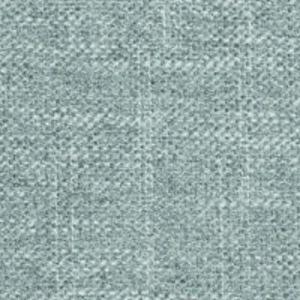
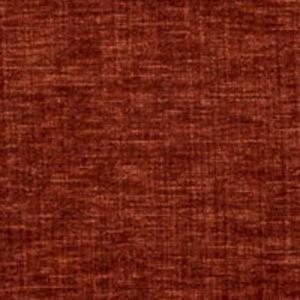
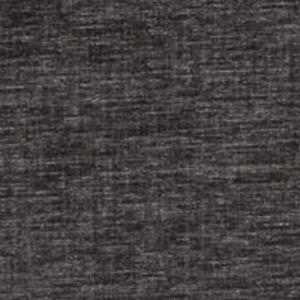
Picking fabric is the best part of the project, so here are a few woven and chenille options that fit the cutting list above.

Tips for a Carrier That Lasts All Season
- Go long on stitch length. A 3.5 to 4 mm stitch is stronger in thick fabric than tiny, tight stitches, which perforate the cloth like a postage stamp.
- Sew slowly. Heavy layers deflect needles. Turn the handwheel by hand across the thickest spots to avoid a snapped needle.
- Keep it away from the fire. Most upholstery fabrics are synthetic or blended, and they melt or ignite near high heat. Park the carrier a few feet from the stove, never on the hearth lip, and don't use it to move hot embers or ash.
- Clean it simply. Shake the carrier outside, brush off bark dust with a stiff brush, and vacuum a chenille pile. Wipe vinyl with a damp cloth. For woven fabric, follow the care code on the product page.
- Use your scraps. Remaining fabric makes great drink coasters, a hearth-side tool tote, or a kindling bag. Watch the upholstery fabric sale page if you want to stock up for gifts.
Frequently Asked Questions
Q: How much fabric do I need to make a firewood log carrier?
You need about one yard of 54-inch-wide upholstery fabric. That's enough for a 22-by-44-inch body, two handle straps, and two reinforcement tabs. If your fabric is narrower than 54 inches, buy 1 1/4 yards.
Q: What thread should I use to sew a log carrier?
Use bonded nylon or polyester upholstery thread, such as size 69 (Tex 70), with a size 100/16 or 110/18 denim needle. Cotton thread weakens and breaks under heavy loads and moisture, so skip it for any project that carries weight.
Q: What color upholstery fabric hides soot and bark dust best?
Dark brown, charcoal grey, and black hide soot and bark dust best. Brown matches the color of bark dust and makes smudges almost invisible. Heathered or textured weaves also help mask stains.