
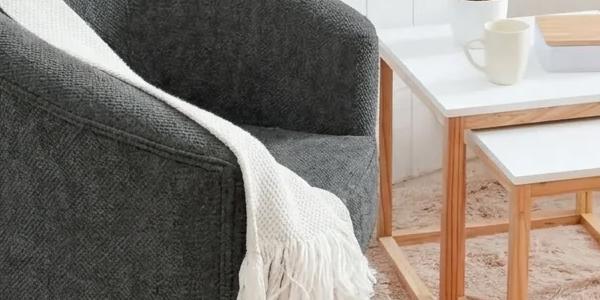
If you've ever sewn a pet bed cover out of quilting cotton, you already know how the story ends: a few weeks of claws, drool, and enthusiastic burrowing later, you're looking at frayed seams and a fabric that's basically confetti. A pet bed cover made from upholstery fabric solves that problem because it's built for the same abuse a sofa cushion takes every day, and honestly, most dogs and cats are harder on fabric than the average toddler. This guide walks you through picking the right material and sewing a cover that can actually go the distance.
Why Does Upholstery Fabric Outlast Standard Pet Bed Fabric?
Upholstery fabric outlasts standard pet bed fabric because it's engineered and tested for abrasion resistance, while quilting cotton and fleece are not rated for durability at all. That difference shows up fast once claws and chewing enter the picture.
Here's the number that matters: fabric sold for upholstery gets a double rub count from the Wyzenbeek abrasion test, or a cycle count from the Martindale test used more often outside the U.S. Standard quilting cotton has no rating because it was never designed to take friction, it was designed to look pretty on a quilt. Heavy-duty upholstery fabric, on the other hand, typically ranges from 15,000 to over 30,000 double rubs, and fabrics rated above 30,000 are considered commercial-grade, the kind used in restaurant booths and airport lounges. If a booth seat can survive a decade of strangers sliding in and out, it can survive your golden retriever.
A wipeable finish matters just as much as the rub count. Fabrics with a stain-resistant or vinyl-backed coating let drool, mud, and the occasional accident wipe off with a damp cloth instead of soaking in and setting permanently. That's the real secret to a pet bed cover that still looks decent after a year, not just one that survives claws.
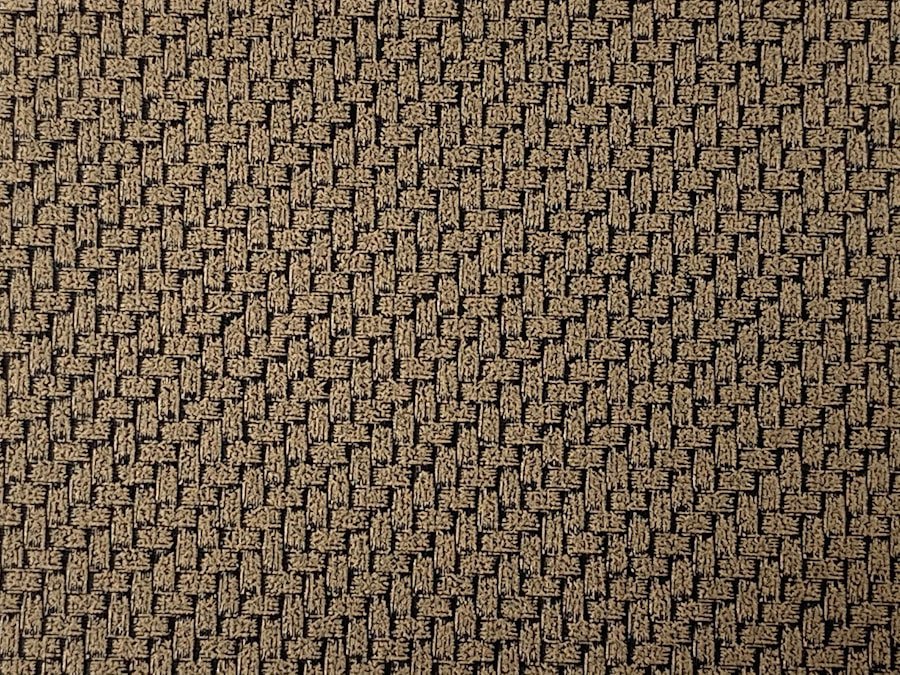
Photo by Thomas Kinto on Unsplash
What to Look for When Choosing Fabric for a Pet Bed Cover
You want three things: a high double rub count, a tight weave that resists snagging, and a finish that wipes clean. Skip anything described as delicate, dry-clean only, or "decorative use only," those labels are a warning sign for pet applications.
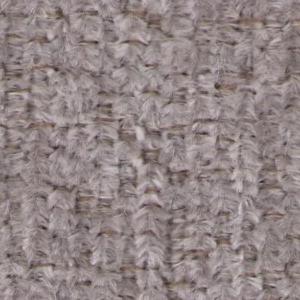
- Chenille is criminally underrated for pet projects. It's soft against the skin but the looped yarn construction resists snagging better than you'd expect, and it hides pet hair shockingly well. Browse chenille upholstery fabric if you want something cozy that still holds up.
- Boucle has a similar textured surface that camouflages dirt and fur between washes, and it's having a real moment in home decor right now. Check out boucle fabrics for a trendier look on your pet's bed.
- Faux leather and vinyl are the wipeable champions, ideal for drooly breeds or households dealing with frequent accidents.
- Cotton and woven blends with a tight weave work well too, especially in solution-dyed acrylic versions that resist fading and moisture.
Solution-dyed acrylic is worth knowing about even if you're not buying it specifically. The color gets baked into the fiber itself rather than applied as a surface dye, which means it won't fade from sun exposure or bleed when you scrub out a stain. If you see it listed in a product description, that's a fabric built to survive real life.
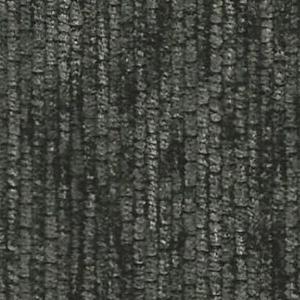
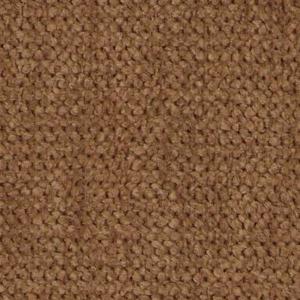
Darker, patterned fabrics also hide the inevitable fur, dirt, and the occasional muddy paw print better than solid whites or pastels. A brown chenille upholstery fabric or a grey chenille upholstery fabric disguises everyday grime far longer between washes than a light color ever will, which matters a lot once fall shedding season kicks in and everyone's tracking leaves and mud through the house.
How Much Fabric Do You Need for a Pet Bed Cover?
For a standard medium dog bed (roughly 30x40 inches), plan on 2 to 2.5 yards of 54-inch-wide upholstery fabric to cover the top, sides, bottom, and zipper flap with enough left over for seam allowances. Larger beds for big dogs run closer to 3 to 3.5 yards, while small cat or small-dog beds can often be done with 1 to 1.5 yards.
Always add an extra half yard if your fabric has a large pattern repeat you need to match across panels, since upholstery-weight prints often repeat every 13 to 27 inches and careless cutting wastes fabric fast.
Step-by-Step Instructions
- Measure the bed insert. Measure the length, width, and height of the foam or stuffing insert you're covering. Add 1 inch to each dimension for seam allowance, plus another inch of ease so the cover isn't fighting the insert every time you zip it closed.
- Cut your panels. Cut a top panel, a bottom panel, and side gusset strips (or a single continuous strip if your bed has a boxy shape). Use sharp fabric shears or a rotary cutter, since dull scissors struggle with heavier upholstery weight and can drag the weave out of shape.
- Reinforce high-wear zones. Before sewing, iron a strip of fusible interfacing or a scrap of the same fabric onto corners and edges where claws tend to dig in. This extra layer buys serious extra life out of the cover.
- Sew side seams with a heavy-duty needle. Switch your machine to a size 16 or 18 needle and use a walking foot if you have one. Upholstery fabric is thick enough that a standard presser foot will let layers shift and pucker, and a regular needle will bend or snap.
- Use a flat-fell or double-stitched seam. Instead of a simple straight seam, fold the raw edge over and stitch it down twice, once close to the fold and once further in. This flat-fell technique is standard in heavy home goods construction because it locks the fabric edges inside the stitching so claws and chewing can't work them loose.
- Install the zipper. Sew a heavy-duty separating or non-separating zipper (a coil zipper rated for upholstery, not a lightweight garment zipper) along one side or the back panel. This is the step that makes machine washing actually possible, so don't skip it in favor of a simple envelope closure that will gap open under stuffing pressure.
- Attach the gusset to top and bottom panels. Pin right sides together and sew around the perimeter, leaving the zipper section open. Backstitch at every corner since these are the stress points that fail first.
- Trim and turn. Trim excess seam allowance at the corners at an angle so they turn cleanly, then flip the whole cover right side out through the zipper opening.
- Topstitch the zipper flap. A row of topstitching along the zipper edge keeps it from curling and gives fingers (and paws) something sturdy to grab when unzipping for wash day.
- Insert the pad and test the zipper. Slide the foam or stuffing insert in, zip it closed, and give the seams a firm tug to check for any weak spots before calling it done.
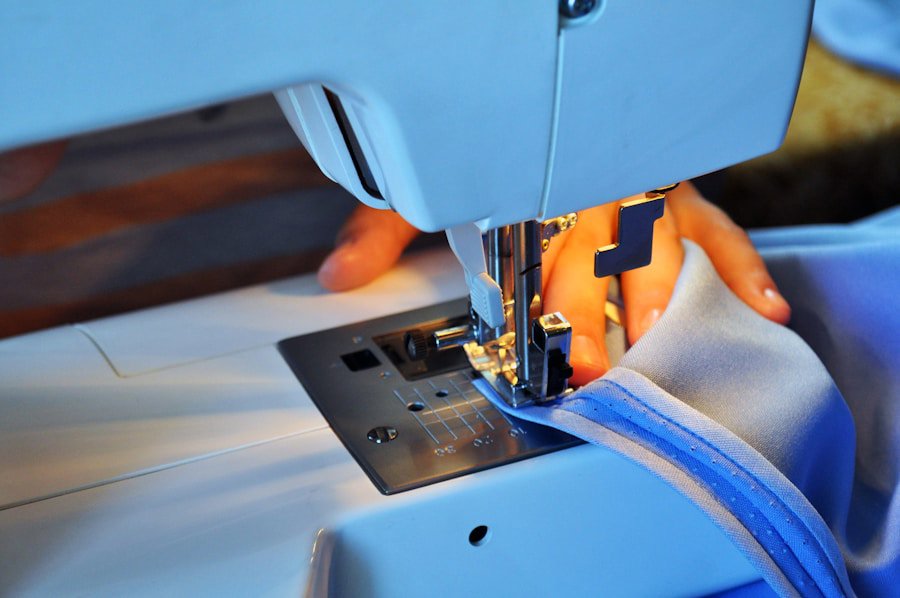
Photo by Roman Spiridonov on Unsplash
Ready to see some fabric that fits the bill? A durable, textured option makes both the sewing and the daily wipe-downs easier.
Tips for a Longer-Lasting Pet Bed Cover
- Wash in cold water on a gentle cycle and air dry when possible, since high heat can break down finishes on wipeable and solution-dyed fabrics over time.
- Keep a second cover on hand if your pet is a frequent shedder or has accidents often. Rotating covers means one is always clean while the other's in the wash.
- Skip fabric softener. It coats fibers and can reduce the effectiveness of stain-resistant finishes.
- Vacuum the empty cover with an upholstery attachment between washes to pull out embedded fur before it works into the weave.
Frequently Asked Questions
Q: Can I use regular upholstery fabric for a pet bed, or does it need a special pet-specific coating?
Regular upholstery fabric works fine for pet beds as long as it has a double rub count of at least 15,000 and, ideally, a stain-resistant or wipeable finish. You don't need a fabric marketed specifically as "pet fabric," since most heavy-duty upholstery textiles already meet or exceed that standard.
Q: How many yards of fabric do I need to sew a pet bed cover?
Most medium dog beds need 2 to 2.5 yards of 54-inch-wide upholstery fabric, while small pet beds need as little as 1 to 1.5 yards and larger beds may need 3 to 3.5 yards. Add extra yardage if the fabric has a large pattern repeat.
Q: What's the best seam type for sewing thick upholstery fabric?
A flat-fell or double-stitched seam is best for thick upholstery fabric because it encloses the raw edges inside two rows of stitching, preventing fraying and giving claws and chewing nothing to grab onto. A heavy-duty needle (size 16 or 18) and walking foot make this seam much easier to sew cleanly.