
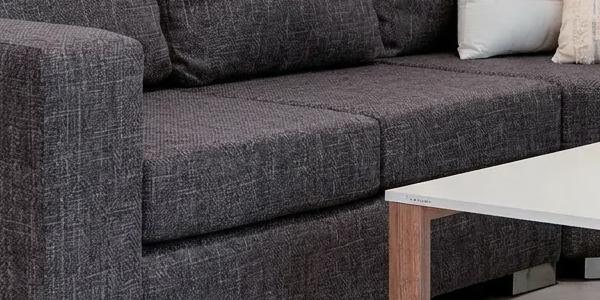
If you've ever had a thin quilting-cotton pot holder scorch, fray, and fall apart after a dozen washes, you already know the problem. A heavy-duty pot holder made from upholstery fabric solves it. Those leftover scraps from your last sofa or chair project are tightly woven, thick, and built to take abuse, which is exactly what a kitchen tool needs. With fall baking season here and holiday potlucks around the corner, this is a perfect Saturday afternoon project.
Below you'll find which scraps work, which ones to keep far from your oven, how to layer in proper insulation, and step-by-step instructions for a pot holder, an oven mitt, and a padded casserole carrier. Your green bean casserole deserves better than a damp dishtowel.
Why Use Upholstery Fabric for a Heavy-Duty Pot Holder?
Upholstery fabric lasts longer in the kitchen because it's woven tighter, weighs more, and is tested for abrasion. Standard quilting cotton weighs roughly 4 ounces per square yard, while most upholstery wovens run 9 to 14 ounces or more. That extra density means fewer gaps for heat and steam to sneak through, and far less fraying at the edges.
Durability is measurable, too. Residential upholstery is commonly rated for 15,000 double rubs on the Wyzenbeek test, and heavy-duty fabrics go past 30,000. (A double rub is one back-and-forth pass of an abrasive cloth over the fabric.) Quilting cotton isn't rated for this at all because it was never meant to be sat on, scrubbed, or dragged across an oven rack. If a fabric can survive years of family and pet traffic on a couch, it can handle your weekly laundry cycle.
Plus, you're using scraps. Pieces that are too small for a pillow are plenty for pot holders, and that's real budget-friendly sewing.

Which Upholstery Fabrics Work Best for Pot Holders and Oven Mitts?
Tightly woven cotton, cotton-blend, and jacquard upholstery fabrics work best, in a medium to heavy weight. Look for fabrics around 8 to 12 ounces per square yard that still bend easily under your sewing machine.
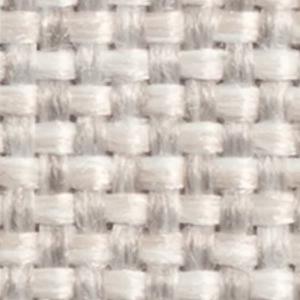
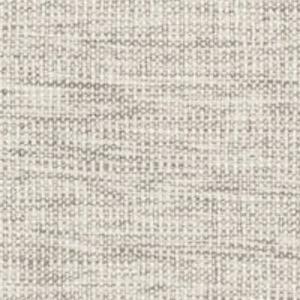
- Woven fabrics. A plain or textured weave is the reliable choice. It's stable, doesn't stretch, and hides stains. Our woven upholstery fabrics are a good place to find scraps with this kind of structure. Neutrals like grey woven upholstery fabric are especially forgiving of oven splatter.
- Jacquard. The pattern is woven into the cloth rather than printed, so it won't rub off. Choose a flat jacquard over one with long floating threads that can snag. Browse jacquard upholstery fabrics for patterns that look great on a holiday table.
- Cotton and cotton canvas. Cotton is the safest fiber near heat because it chars rather than melts. Use it for linings, binding, and any surface that touches hot cookware.
Skip anything with a deep pile or long loops, like heavy boucle or plush velvet. They're bulky to quilt and can trap grease.
Which Upholstery Fabrics Are Safe Near Heat?
Natural-fiber fabrics like cotton and linen are safest near heat, while vinyl and faux leather should never be used for pot holders or oven mitts. Vinyl and faux leather have a plastic coating (usually PVC or polyurethane) that softens, sticks, and can release fumes well below typical baking temperatures. A 400°F casserole dish can leave you with a melted, stuck-on mess and a burn.
Here's the thing about synthetic fabrics: many upholstery wovens contain polyester, which melts at roughly 480°F. That's above most baking temps, but a broiler or a glowing oven rack can easily exceed it. So check the fiber content before you cut. If a scrap is mostly polyester, use it only as the outer layer and line the heat-touching side with 100% cotton. That's the golden rule of this project: the layer closest to the heat should always be cotton.
Honestly, if you're not sure what a scrap is made of, hold a tiny snip with tweezers over a safe flame in the sink. Cotton burns to soft ash. Polyester shrivels into a hard bead. Plastic-coated fabrics are easy to spot by their rubbery back.
What Batting Should You Use Inside a Pot Holder?
Use two layers of 100% cotton batting, or one cotton layer plus one heat-resistant insulated batting such as Insul-Bright. Cotton batting handles direct heat and washes well. Insulated batting has a metalized film that reflects heat back, which makes thinner holders far more protective.
Two cautions. Insulated batting isn't microwave safe because of its metallic film, so skip it if you reheat dishes with your holders. And avoid polyester fiberfill, which can melt and flatten. For a truly heavy-duty set, stack batting like this: cotton lining, insulated batting, cotton batting, upholstery fabric outside.

Photo by Wolfgang Hasselmann on Unsplash
How Much Upholstery Fabric Do You Need for a Full Set?
A full set of two pot holders, one oven mitt, and one casserole carrier needs about 3/4 yard of 54-inch upholstery fabric. That's an easy fit if you're raiding your scrap bin, since the biggest piece is only 15 by 23 inches.
- Upholstery fabric (outside): 3/4 yard, or scraps at least 10 inches square for the pot holders and 15 by 23 inches for the carrier.
- Cotton lining: 3/4 yard of quilting cotton or cotton canvas.
- Cotton binding: 1/3 yard, cut into 2 1/2-inch strips.
- Batting: about 1 yard each of cotton batting and insulated batting.
- Extras: heavy-duty thread, a 100/16 or 110/18 needle, and a walking foot if you have one.
Need extra yardage or a coordinating color? Check the upholstery fabric sale for budget-friendly pieces.

Step-by-Step Instructions
- Prep your fabric. Wash and dry your upholstery scraps and cotton lining on the hottest setting you plan to use for the finished set. This pre-shrinks everything and removes finishes. Then press flat. Check the fiber content now so you know which side needs cotton.
- Cut your pieces. For each pot holder, cut two 9-inch squares of upholstery fabric (or one upholstery square and one cotton), one 9-inch cotton lining square, and two 9-inch batting squares (one cotton, one insulated). For the oven mitt, trace your hand with your fingers together and add 1 1/2 inches of room all around. Cut two outer mitt pieces, two linings, and the same number of batting layers. Add a thumb piece by tracing it on the side and adding a 1/2-inch seam allowance. Cut the carrier at 15 by 23 inches in outer fabric, lining, and each batting layer.
- Layer the sandwich. Stack from the bottom: upholstery fabric face down, cotton batting, insulated batting, then the lining or back piece face up. Pin or use temporary spray adhesive so nothing shifts. Thick layers wander, so this step matters.
- Quilt it. Set your machine to a 3.0 to 3.5 mm stitch length and use a walking foot to feed the layers evenly. Stitch diagonal lines about 1 inch apart across each sandwich. Quilting locks the batting in place so it won't bunch in the wash. Go slow. Your machine is working hard.
- Trim and bind the pot holder. Square up each quilted holder to 8 1/2 inches. Make a hanging loop by folding a 5-inch strip of binding in thirds and stitching it closed, then fold it in half and baste it to one corner. Sew the binding strips around the edge, folding over the loop, and hand or machine stitch it down. Use cotton binding here since upholstery fabric is too bulky to turn neatly.
- Assemble the oven mitt. Quilt your mitt pieces and the thumb as above. Sew the thumb into one side, then place the two mitt layers right sides together and stitch around the outside with a 1/2-inch seam, leaving the cuff open. Clip curves, turn the mitt right side out, and bind the cuff with cotton binding. Add a hanging loop at the cuff seam.
- Build the casserole carrier. Quilt your 15 by 23-inch sandwich. Fold it into a sleeve with the long edges overlapping and the lining facing inward, then stitch the side seams with binding. The sleeve should hold a 9 by 13 dish snugly, with the dish resting in the center. Add two 4-inch-wide handle loops, or sew heavy webbing on each end, for a secure grip.
- Finish and test. Trim threads, press the whole set, and do a quick test by holding a warm (not hot) dish in each piece. Check for gaps in the quilting where heat could leak through. If you feel warmth quickly, add another layer of cotton batting.
Tips for Care and Long-Lasting Results
- Wash gently. Machine wash in warm water with mild detergent and tumble dry on low. High heat can shrink batting and fade colors.
- Keep them dry. A damp pot holder conducts heat fast and can cause steam burns. Always use dry holders.
- Replace at the first sign of wear. Thin spots, scorch marks, or compressed batting mean it's time for a new one. Fortunately, you've got scraps.
- Retire stained pieces from the oven. Grease soaked into fibers can ignite, so wash promptly after spills.
- Pick dark or mid-tone colors. Cream scraps look gorgeous but show every splash. If you love light shades, try cream woven upholstery fabric for the carrier's exterior and a darker color for the pot holders.
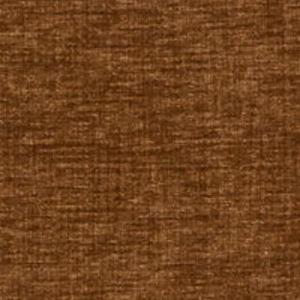
- Make a matched gift set. Scraps in coordinating fall colors like rust, forest green, and deep brown turn these into thoughtful host gifts.
Frequently Asked Questions
Q: Can you use upholstery fabric to make pot holders?
Yes, as long as it's a tightly woven cotton or cotton-blend upholstery fabric. Line the heat-touching side with 100% cotton and add insulated batting. Never use vinyl or faux leather, which can melt near heat.
Q: What is the best fabric for an oven mitt?
The best fabric for an oven mitt is 100% cotton or a heavy cotton-blend woven, paired with two layers of cotton batting or cotton plus insulated batting. These materials resist heat, wash well, and hold up to repeated use far better than thin synthetic fabrics.
Q: How many yards of fabric do you need for a pot holder, oven mitt, and casserole carrier set?
You need about 3/4 yard of 54-inch upholstery fabric for the outer layers, plus roughly 3/4 yard of cotton lining, 1/3 yard for binding, and about 1 yard of batting. Scraps from a larger project often cover most of it.