
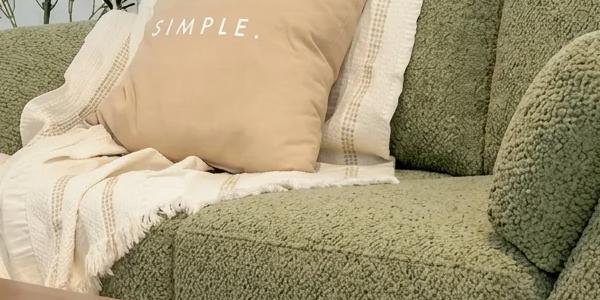
A reading chair side pocket caddy is the fix for the remote that vanishes into the cushions and the book pile that keeps growing on your armrest. It's a flat panel with three pockets and a long tongue that tucks under the seat cushion, so your weight holds it in place. Fall is the perfect time to make one. The blankets come out, the reading lamp goes back on, and everyone needs somewhere to put their stuff. This is a Saturday afternoon project, and it takes less than a yard of fabric.
Why Does Heavy-Duty Fabric Outlast Quilting Cotton for a Side Pocket Caddy?
Upholstery-grade chenille, woven, and faux leather are typically rated at 15,000 to 50,000+ double rubs, while quilting cotton isn't rated for upholstery at all. That gap is why cotton caddies sag, fray, and tear at the pocket corners within a season.
Here's the jargon, briefly. A double rub is one back-and-forth pass of an abrasive wheel in the Wyzenbeek test. The higher the count, the longer the fabric survives friction. Contract-grade upholstery generally starts at 15,000 double rubs and heavy-duty is 30,000 or more. Quilting cotton is a lightweight apparel-style fabric, usually around 4 to 5 ounces per square yard. Upholstery fabrics are often two to four times heavier.
A caddy gets abused in specific ways. A hardcover book, a tablet, and a couple of remotes can easily add up to four pounds hanging from stitched seams. Every time you grab something, the pocket opening gets yanked. Dense chenille and tight wovens spread that load across thousands of fibers. Quilting cotton puts it all on a few threads.
Honestly, chenille is criminally underrated for this. The soft pile keeps tablets from scratching, and the dense backing resists pulling at the seams. Faux leather is the wipe-clean champion if you've got kids or pets.

Photo by Vitaly Gariev on Unsplash
How Do You Pick a Fabric That Matches Your Sofa?
Pick a fabric one shade darker than your sofa, or a contrasting texture in the same color family. Exact matches almost never work because dye lots and fiber types reflect light differently.
- Tone-on-tone: A grey sofa pairs well with grey chenille upholstery fabric in a slightly deeper shade. It looks intentional, and it hides dust and pet hair.
- Texture contrast: A smooth sofa looks great with a nubby woven upholstery fabric. A textured sofa wants a solid, flat-faced fabric on the caddy.
- Leather or vinyl sofas: Try faux leather in the same tone. It slides less on leather than pile fabric does, and it wipes clean.
- Fall accent: Rust, olive, and warm brown are everywhere right now. A caddy is a low-risk way to try a trend color without recovering a whole couch.
Look at swatches in daylight and in your evening lamp light. Fabric that looks neutral at noon can turn yellow or green at 8 p.m. Also check the cleaning code and the double rub count on the product page before you buy.
How Much Fabric Does a Side Pocket Caddy Take?
A side pocket caddy takes about 7/8 of a yard of 54-inch-wide upholstery fabric. That's under one yard, and you'll have scraps left for a coaster or a pet toy.
The pattern is just rectangles. No curves, no paper pattern needed. Cut these from the fabric:
- Main strip: 14 inches wide by 42 inches long. About 22 inches is the under-cushion tongue, 7 inches crosses the arm top, and 13 inches hangs down the side.
- Large back pocket: 14 inches wide by 16 inches tall. It folds to an 8-inch finished pocket for books and tablets.
- Two small front pockets: 8 inches wide by 14 inches tall each. They fold to 7 inches finished, perfect for remotes and phones.
Lay the 42-inch strip across the width of the fabric, then cut the three pocket pieces from the row beside it. That's roughly 30 inches of fabric length in total, so a 7/8-yard cut leaves a little slack. If your fabric has a pile or a one-way pattern, keep every piece running in the same direction.
You'll also need:
- A denim needle, size 100/16 (use a leather or microtex needle for faux leather)
- A walking foot, which feeds the top and bottom layers together so thick fabric doesn't creep
- Bonded polyester or nylon thread, size 69
- Sewing clips instead of pins
- Optional: a strip of rubber shelf liner for the tongue

Photo by J Williams on Unsplash
Step-by-Step Instructions
- Cut your pieces. Use a rotary cutter and a ruler for clean edges. Cut the strip and all three pocket pieces according to the list above. On chenille, cut a single layer at a time so the pile doesn't shift.
- Finish the raw edges. Zigzag or serge around every piece. Chenille and woven fabrics fray, and chenille sheds at the cut edge, so don't skip this. Faux leather doesn't fray, so you can leave those edges raw.
- Fold and topstitch the pockets. Fold each pocket piece in half, wrong sides together, so the fold becomes the top opening. Topstitch 1/4 inch from the fold with a 3 to 3.5 mm stitch length. A longer stitch looks better on thick fabric and holds better too.
- Position the pockets. Lay the strip flat and mark the 13-inch hanging section. Clip the large pocket to the bottom of that section, then layer the two small pockets on top, side by side. Leave a small gap between them so they don't bind.
- Stitch the pockets down. Sew the sides and bottom with your walking foot at a slow speed. Then stitch a vertical line between the two small pockets. If the seam gets thick at the corners, put a folded scrap of fabric under the back of the presser foot to keep it level.
- Reinforce the stress points. Stitch a small box with an X inside at each top pocket corner. Go over it twice. This is where pockets tear, and a stitched box spreads the load. Also sew a short bar tack where the tongue meets the arm section.
- Hem the strip edges. Fold 1/2 inch to the wrong side and topstitch around the strip. Skip this on faux leather. Finish the corners by rounding them slightly with scissors so they don't poke out from under the cushion.
- Add grip and test the fit. Stitch or glue a piece of shelf liner to the underside of the tongue. Slide the tongue under the seat cushion, drape the panel over the arm, and load it with your real stuff. Adjust the pocket spacing if you need to.
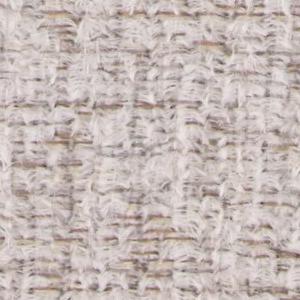
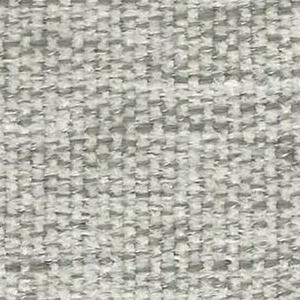
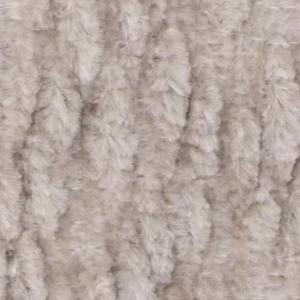
Ready to pick yours? Here's a look at upholstery fabrics that work well for a project like this, from soft piles to wipe-clean finishes.

Pro Tips for Cleaning and Longevity
- Check the cleaning code. A "W" code means water-based cleaners are fine, while an "S" code needs solvent cleaner. Most upholstery fabrics are spot-clean only, so don't toss your caddy in the washer.
- Vacuum weekly. Use a brush attachment on chenille and woven fabrics. It lifts pet hair and crumbs before they grind into the fibers.
- Don't press the pile. Use low heat and a pressing cloth on chenille. For faux leather, skip the iron entirely.
- Skip loopy fabrics if you have cats. Claws snag boucle loops. A flat chenille or tight woven is safer.
- Use scraps wisely. Leftover fabric makes a good matching remote sleeve or a pen loop on the caddy.
- Watch your budget. Since you only need under a yard, it's a smart way to try a premium fabric. Browse the upholstery fabric sale for discounted options.
Frequently Asked Questions
Q: How much fabric do I need to sew a side pocket caddy?
You need about 7/8 of a yard of 54-inch-wide upholstery fabric. That covers a 14 by 42 inch main strip, one large pocket, and two small pockets, with a little extra for mistakes.
Q: What needle do I use to sew thick upholstery fabric?
Use a denim needle in size 100/16 with bonded polyester thread and a walking foot. For faux leather, switch to a leather or microtex needle and use clips instead of pins so you don't leave permanent holes.
Q: Can I use quilting cotton for a couch side pocket organizer?
You can, but it won't last. Quilting cotton is lightweight and has no upholstery double rub rating, so it tends to sag and fray under the weight of books and tablets. Upholstery-grade chenille, woven, or faux leather rated at 15,000 double rubs or higher is a much better choice.