
If you've ever searched "how to sew a reusable grocery bag" and ended up with a tote that sags, tears at the handles, or wears thin after a few dozen trips to the store, the pattern probably isn't the problem. The fabric is. Most tutorials call for quilting cotton, which was never built for 40 pounds of canned goods swinging against your car door twice a week. Switch to upholstery-weight vinyl or woven fabric instead, and you get a bag that can handle groceries, gym duffel duty, and sandy beach hauls without the fibers giving out.
Why Standard Tote Fabric Fails at the Seams
Quilting cotton typically isn't rated for abrasion resistance at all, because it was designed for quilts, not daily hauling. Upholstery fabric, by contrast, gets tested on a Wyzenbeek or Martindale machine that rubs the material back and forth thousands of times to simulate wear. A fabric rated at 30,000+ double rubs has been through the equivalent of years of heavy use before it even leaves the bolt. That's the difference between a tote that lasts one summer and one that lasts through five.
Here's a fact worth remembering: quilting cotton has no standardized abrasion rating, while commercial-grade upholstery fabric is required to hit at least 15,000 double rubs to be considered suitable for heavy residential use.
Photo by Marcus Urbenz on Unsplash
What Makes Upholstery Fabric Better for Grocery Totes?
Upholstery fabric is woven denser and finished heavier than apparel or quilting fabric, so it resists the tearing, stretching, and pilling that happens when totes rub against car seats, pavement, and sandy towels. Vinyl upholstery adds a fully waterproof, wipeable surface, which matters a lot when a leaky yogurt container ends up at the bottom of your bag.
Woven upholstery fabric, often a cotton-poly or solution-dyed acrylic blend, holds its shape under load better than lightweight cotton because the yarns are tighter and the fabric itself carries more weight per square yard. Solution-dyed fibers are colored all the way through during production, not just on the surface, so scuffs and light stains don't reveal a paler color underneath. That's a small detail that makes a big difference after two years of grocery runs.
Step-by-Step Instructions
- Pick your fabric weight. Choose vinyl for a wipeable, waterproof bag or a heavyweight woven for a more textile-like feel. Look for anything rated 30,000+ double rubs if durability is your top priority.
- Prep the material. Wipe vinyl clean with a damp cloth and let it dry flat. For woven fabric, wash and dry it once before cutting so any shrinkage happens now instead of after your first big grocery haul.
- Cut your panels. For a standard market tote, cut two body panels at roughly 18 by 15 inches and a base panel at 15 by 6 inches. Add a half-inch seam allowance on every edge.
- Reinforce the base. Fuse a layer of heavyweight interfacing or a second scrap of upholstery fabric to the base panel. This is the spot that takes the most stress from cans, jars, and bottled water, so don't skip it.
- Sew the side and bottom seams. Use a flat-felled seam or a French seam instead of a plain straight stitch. Both enclose the raw edge so it can't fray, which is where most cotton totes eventually fail.
- Box the corners. Fold each bottom corner into a triangle and stitch straight across about 2 inches from the tip. This gives the bag a flat base that stands up on its own once loaded.
- Build handles that won't rip out. Cut handle straps at least 2 inches wide from your upholstery fabric, fold and topstitch them, and sew them into the top seam allowance rather than just stitching them onto the outside. This spreads the weight across a wider stitch line instead of concentrating it at two small points.
- Bar-tack the stress points. Go back over the top of each handle attachment with a box-and-X stitch or several passes of straight stitching. This is the single biggest reason grocery totes rip at the handle, and it takes an extra 30 seconds to prevent.
- Finish the top edge. Fold the raw top edge down twice and topstitch to create a clean hem that also adds a bit of structure to the bag's opening.
- Load test before you call it done. Fill the bag with cans or books and carry it around the house for a few minutes. If a seam is going to complain, better it does so now than in the parking lot.
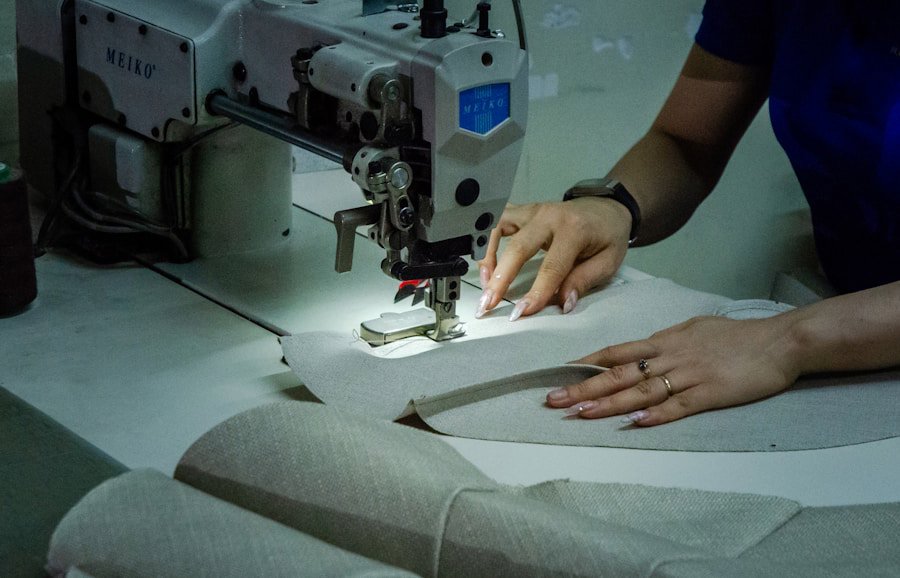
Photo by Khang Nguyen on Unsplash
Best Fabric Options for Market Bags and Totes
Not every upholstery fabric is a good fit for a grocery tote, so it helps to know what to look for before you buy yardage.
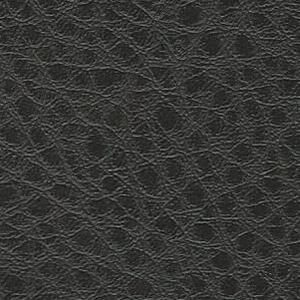
- Vinyl: Fully waterproof and wipes clean in seconds, making it ideal for beach bags or gym totes that see sweat, sand, and spills. Browse vinyl upholstery fabric for the widest weight and color range.
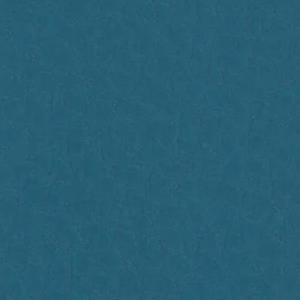
- Chenille: Soft-handed but surprisingly dense, chenille resists pilling and holds up well for everyday market runs. Check out chenille upholstery fabric if you want something with more texture than vinyl.
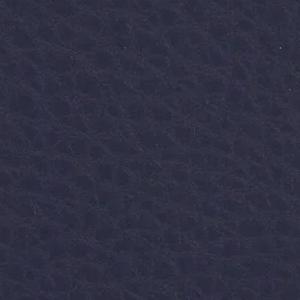
- Woven cotton blends: A tighter weave than quilting cotton gives you a fabric feel with real structure. Woven upholstery fabric is a solid middle ground between vinyl's toughness and cotton's softness.
- Neutral solids: If you want a tote that matches everything from your car interior to your kitchen counter, a neutral tone is hard to beat. Check grey upholstery fabric for a shade that hides dirt well between washes.
How Long Should a Reusable Grocery Tote Fabric Last?
A tote sewn from fabric rated 30,000 double rubs or higher should easily outlast three to five years of regular grocery hauling, gym trips, and beach use without visible wear at the seams. Standard quilting cotton, which typically doesn't carry an abrasion rating at all, tends to thin out and tear within one to two seasons of similar use.
Think of double rub counts like tread depth on a tire. It won't tell you exactly when the fabric will fail, but it gives you a reliable comparison point between materials before you invest your sewing time.
Tips for a Tote That Outlasts Its Warranty
- Use polyester or heavy-duty upholstery thread instead of standard cotton thread. It resists UV breakdown and won't snap under load the way lighter thread does.
- Add a scrap of leftover fabric or a rubber shelf liner between the base panel and interfacing for extra puncture resistance against sharp corners like cereal boxes.
- Wipe vinyl totes clean with mild soap and water rather than tossing them in the wash, since machine washing can break down the vinyl coating over time.
- If sewing for pets or kids' gear, choose a darker or patterned upholstery fabric. It hides the occasional stain far better than white or pastel cotton ever could.
- Keep a remnant of your fabric on hand. If a handle ever does wear out, matching the repair patch is much easier when you're not hunting down a discontinued print two years later.
Frequently Asked Questions
Q: Can you sew grocery totes with regular sewing machine, or do you need an industrial machine?
A standard home sewing machine can handle most upholstery-weight fabric, including vinyl, as long as you use a heavier needle, size 90/14 or higher, and go slowly through multiple layers at the seams.
Q: What double rub count is considered durable enough for a grocery tote?
Look for fabric rated 30,000 double rubs or higher on the Wyzenbeek or Martindale abrasion test, which puts it in the same durability class used for heavy residential and light commercial upholstery.
Q: Is vinyl or woven fabric better for a reusable grocery bag?
Vinyl is the better choice for waterproofing and easy wipe-down cleaning, while woven upholstery fabric offers a softer hand and more breathable feel for everyday market runs. Both outperform standard quilting cotton in long-term durability.