
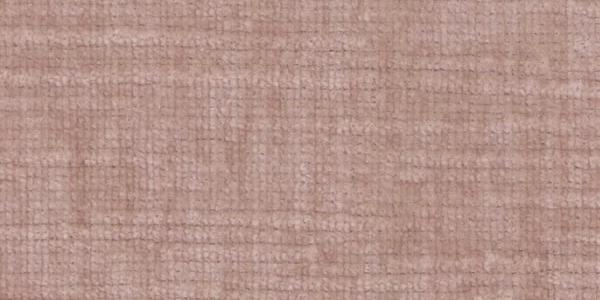
A heavy-duty sewing machine cover made from upholstery fabric will outlast every quilting-cotton cover you've ever owned. It's a perfect project for fall, when the crafting crowd moves back indoors and the sewing room gets busy again. You'll end up with a dust-proof cover, a padded tool caddy, and a table protector that takes abuse from pins, scissors, and years of dragging machines around. Block out a Friday evening and you'll have it done by Saturday morning.
Why Upholstery Fabric Makes a Better Sewing Room Cover
Upholstery fabric is built to survive people sitting on it, so it handles a sewing table without complaint. Fabric durability is measured in double rubs, where a machine rubs the fabric back and forth until it wears through. Residential upholstery typically starts around 15,000 double rubs on the Wyzenbeek test, and heavy-duty weaves often pass 30,000. Quilting cotton isn't rated for abrasion at all.
That matters on a craft table. Pins slide off tightly woven surfaces instead of snagging them. Scissor blades glide across. A machine base dragged six inches to make room for cutting won't leave pulls or fuzz. Honestly, once you've used a stiff woven as a cutting-table cover, you'll never go back to flimsy cotton.
One honest caveat: a rotary cutter blade will still cut anything it touches. Keep your cutting mat on top of the protector and the fabric handles everything else.
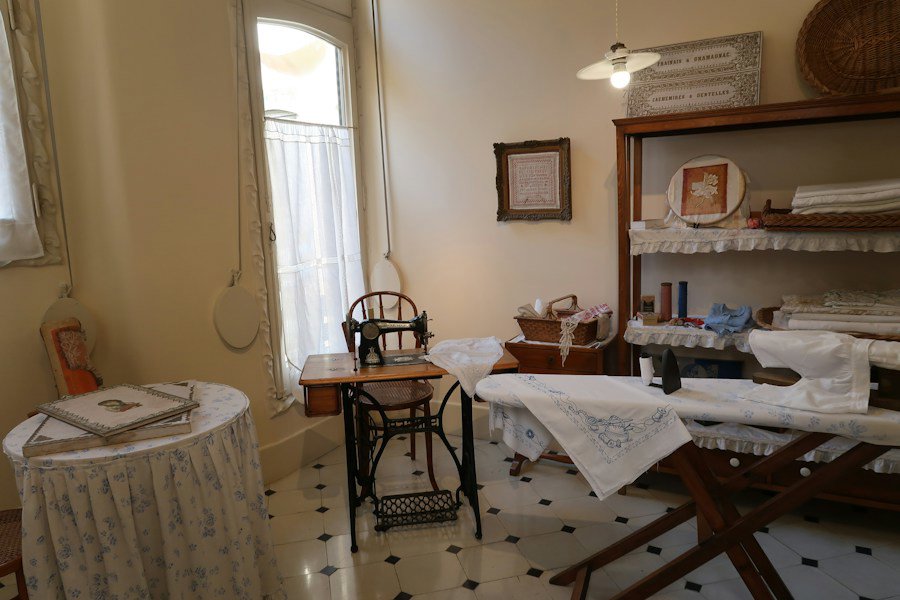
Photo by Aurora Song on Unsplash
What Is the Best Fabric for a Sewing Machine Cover?
The best fabric is a tightly woven, medium-heavy upholstery fabric or a faux leather with a fabric backing. Both hold their shape, resist lint and oil, and wipe clean with a damp cloth.
Here's how the main options compare:
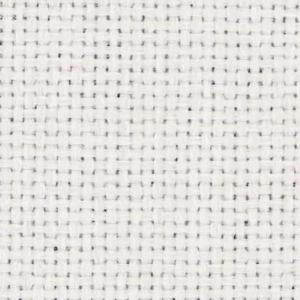
- Stiff woven fabric. A dense weave has body, so the cover stands up on its own and doesn't sag into the machine's handwheel. Browse woven upholstery fabrics and look for a firm hand with no stretch. Neutral colors hide lint and thread bits better than you'd expect. A grey woven upholstery fabric is a hard-working pick for a sewing room.
- Faux leather. Vinyl and polyurethane coatings repel machine oil, dust, and spilled coffee. Wiping with mild soap and water is all the cleaning it needs. The faux leather upholstery fabrics collection is ideal for the table protector, since nothing soaks in.
- Skip these. Plush velvet and loose boucle trap lint like it's their job. Stretchy knits distort over time.
Pick a fabric between roughly 12 and 20 ounces per yard. That range is heavy enough to hold its shape but still manageable for a home machine. Check your own machine's limits before you commit, because the layers at the pocket seams will be thick.
How Much Fabric Do You Need for a Sewing Machine Cover?
Most home sewing machines need 1 to 1.5 yards of 54-inch-wide upholstery fabric for a cover with pockets and a caddy flap. A serger needs about 1 yard, and a full craft table protector needs 1 to 2 yards depending on size.
These estimates assume a simple box-style cover. They include the front pocket strip and flap, but not a lining. Measure your own machine and add 10 percent for mistakes or pattern matching.
- Compact machine (about 16" W x 7" D x 12" H): 1 yard.
- Standard machine (about 17" W x 8" D x 13" H): 1.25 yards.
- Large quilting or embroidery machine (about 20" W x 9" D x 14" H): 1.5 yards.
- Serger (about 12" W x 11" D x 12" H): 1 yard.
- Table protector, 24" x 36": 1 yard.
- Table protector, 36" x 60": 2 yards.
Buy an extra half yard of a coordinating solid for pocket linings if you want contrast. Cotton works fine for linings because it never touches the table.
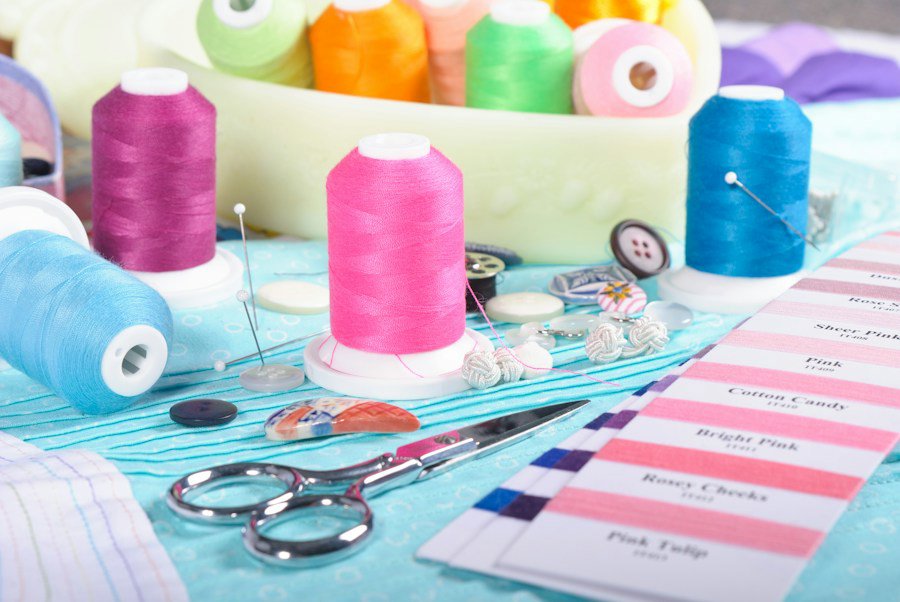
Photo by Matt Benson on Unsplash
What You'll Need
- Upholstery fabric in your chosen yardage
- Fusible fleece or low-loft batting for the padded pockets and flap
- Heavy-duty polyester or bonded nylon thread
- Denim or leather needles in size 100/16 or 110/18
- A walking foot (strongly recommended)
- Wonder clips instead of pins, especially for faux leather
- Binding tape or a coordinating fabric for edges
- Chalk, a ruler, and a tape measure
Step-by-Step Instructions
- Measure your machine and serger. Record the width, depth, and height at the widest points, including the handwheel, spool pin, and handle. Add 1 inch to each measurement for ease so the cover slides on without a fight. Measure each machine separately, since sergers are deeper and narrower than most sewing machines.
- Cut your main panels. You need one long strip that goes front to top to back, and two end panels. The strip length equals height plus depth plus height, plus ease. Its width equals the machine width plus ease. Each end panel is depth by height, plus ease. Mark with chalk and cut with sharp shears. Cut the strip a little long, since you can always trim.
- Make the padded pocket strip. Cut a rectangle about 8 inches tall and as wide as the front panel. Fuse fleece to the wrong side, fold it in half lengthwise, and topstitch the top edge. Stitch vertical lines to create sections: narrow ones (about 1.5 inches) for snips and seam rippers, medium ones (about 2.5 inches) for bobbins, and one wide pocket for pattern weights. Reinforce the bottom of the weight pocket with a second row of stitching, since those weights are heavy.
- Quilt the caddy flap. Cut two flap pieces about 10 inches by the width of your front panel. Sandwich a layer of batting between them. Topstitch a diamond grid with a chalk-marked line every 1.5 inches. A quilted look isn't just decorative. It keeps the batting from shifting and adds cushioning, so tools don't dent the machine when the flap folds over the top. Bind the edges with tape.
- Attach the pocket strip and flap. Position the pocket strip on the front of the main strip, about 3 inches from the bottom. Stitch the sides and bottom, backstitching at each pocket opening for strength. Sew the flap to the top of the front panel so it folds down over the pockets and closes with a hook-and-loop strip or a snap.
- Join the strip to the end panels. Clip the end panels to the strip, right sides together. Sew with a 1/2-inch seam allowance, using a longer stitch (about 3 to 3.5 mm) and your walking foot. Go slowly at the corners and stop with the needle down to pivot. Clip the corners to reduce bulk.
- Finish the seams and hem. Zigzag or serge raw edges, or cover them with binding tape. Turn the bottom hem up 1 inch and topstitch. Flip the cover right side out and test the fit over your machine. If it's tight, let out the seams a little. If it's baggy, take it in.
- Sew the craft table protector. Cut a rectangle to match your table. Bind the edges with tape, mitering the corners, or fold and topstitch a 1-inch hem on a faux leather piece (use a Teflon foot to prevent sticking). For extra grip, add a non-slip rug pad underneath. Roll it up for storage, which is easier than folding it.
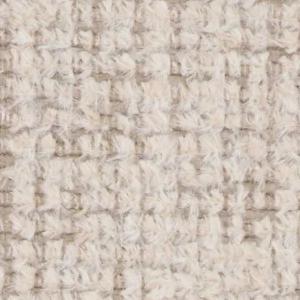
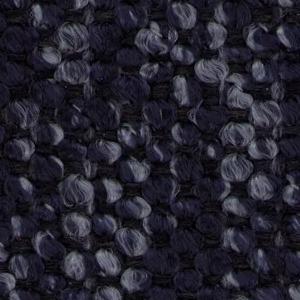
Ready to pick your fabric? These are a good starting point for a sewing room that wipes clean and stays tidy.
Tips for a Cover That Lasts
- Test your seam first. Sew a scrap sandwich with all the layers you'll be stitching through, including the fleece. If your machine skips stitches, go up a needle size.
- Use clips, not pins, on faux leather. Pin holes in a coated fabric are permanent.
- Wipe, don't wash. Wipe woven fabric with a lightly damp cloth and a lint roller. Faux leather cleans with a damp cloth and mild soap. Skip harsh solvents, which can break down the coating.
- Keep it ventilated. Make sure your machine is completely cool and dry before covering it, so you don't trap moisture.
- Save money on scraps. Check the upholstery fabric sale page for remnants. A cover only needs a yard or so, and a discounted fabric works just as well.
- Quotable rule of thumb: a sewing machine cover should have enough body to stand on its own when empty. If it flops, the fabric is too light.
Frequently Asked Questions
Q: What fabric is best for a sewing machine cover?
A tightly woven upholstery fabric or a faux leather with a fabric backing is best. These fabrics are rated for thousands of double rubs, hold their shape, resist dust, and wipe clean easily.
Q: How much fabric do I need to make a sewing machine cover?
Most home sewing machines need 1 to 1.5 yards of 54-inch-wide fabric for a cover with pockets and a flap. A serger needs about 1 yard. Measure your machine's width, depth, and height, then add 1 inch of ease to each.
Q: Can a home sewing machine sew upholstery fabric?
Yes, most home machines can handle medium-weight upholstery fabric with a size 100/16 or 110/18 needle, a walking foot, and heavy-duty thread. Check your manual for thickness limits and sew slowly through the thickest seams.