
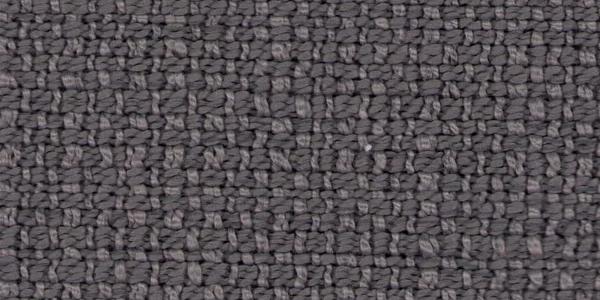
An upholstery fabric table runner is the hardest-working piece of linen on your holiday table. Upholstery fabric is typically rated for 30,000 to 100,000+ double rubs, so it shrugs off hot dishes, dragged serving platters, and a season of gatherings far better than flimsy quilting cotton. This guide walks you through sewing a runner with matching trivets and coasters, including the yardage math and a version that uses up your leftover scraps.
Why Use Upholstery Fabric for a Table Runner?
Upholstery fabric lasts longer on a table because it's built to survive sofa-level abuse. A double rub is one back-and-forth pass in the Wyzenbeek abrasion test, and commercial-grade upholstery starts at 15,000 double rubs, while heavy-duty fabrics climb past 50,000. Quilting cotton usually isn't rated for abrasion at all, because nobody expects it to take a beating.
Weight matters too. Quilting cotton typically weighs 4 to 5 ounces per square yard, and upholstery fabric often runs 10 ounces or more. That extra mass means a runner that lies flat, resists snagging from pottery and cutlery, and doesn't wrinkle into a sad accordion by dessert.
Here's the thing: a table runner is a tiny upholstery project. It gets rubbed, spilled on, and scooted around constantly. Plus, if you have kids or pets who treat the dining room like an obstacle course, a tightly woven runner holds up where a thin one pills and frays.

Photo by Stephanie Klepacki on Unsplash
What Is the Best Upholstery Fabric for a Table Runner?
The best choice is a tightly woven, low-pile fabric in the 30,000 to 100,000 double rub range. Flat weaves, jacquards, and solid-color textured weaves clean easily and sew cleanly, while deep-pile fabrics trap crumbs and are harder to spot-clean.
- Flat woven fabrics: Dense, stable, and easy to press. Browse our woven upholstery fabrics for the most table-friendly options.
- Jacquard: The pattern is woven in, not printed, so it won't rub off. Rust, caramel, and chocolate tones suit the season, and brown jacquard upholstery fabric looks great next to autumn gourds and candlelight.
- Solids: With no pattern repeat to match, solid upholstery fabrics make cutting simple and waste minimal.
- Skip: Long-pile velvet, shaggy boucle, and loose chenille. They look gorgeous on a sofa, but they hold crumbs and sauce like it's their job.
Heat is the one caution. Many upholstery fabrics are polyester, which softens at roughly 480°F. A runner is fine under warm dishes, but a pot straight off a burner or a 400°F casserole needs the trivet's batting layer, or a cork mat underneath. Always test a scrap before trusting any fabric with hot cookware.
How Much Fabric Do You Need?
You need about 2¼ yards of 54-inch-wide upholstery fabric for a 14 x 72 inch runner plus four trivets. That covers the top, the backing, and the trivet squares with a little room for error.
- Runner: A finished size of 14 x 72 inches suits a table seating six to eight. Add a ½ inch seam allowance and cut two pieces at 15 x 73 inches, one for the top and one for the back.
- Fitting it on the bolt: Two 15-inch pieces side by side use 30 of the 54 inches of width, leaving a 24-inch-wide strip along the same 73-inch length.
- Trivets: For an 8-inch finished trivet, cut 9-inch squares, two per trivet. Four trivets need eight squares, and two squares fit across that leftover strip with room to spare.
- Coasters: For 4-inch finished coasters, cut 5-inch squares, two per coaster.
- Batting: Buy ¾ yard of 100% cotton batting or heat-resistant insulated batting.
- Notions: Heavy-duty polyester thread, a size 100/16 or 110/18 needle, a walking foot, clips (pins can leave holes), and optional ½ yard of cotton binding fabric.
Pro tip: if your fabric has a directional pattern, add 10 percent to the length so you can cut every piece facing the same way.

Photo by Alexander Andrews on Unsplash
Step-by-Step Instructions
- Test and pre-treat your fabric. Check the cleaning code on the bolt: W means water-based cleaners, S means solvent only, and WS allows either. Cut a small swatch, wash it the way you plan to launder the runner, and check for shrinking or color bleed. Then treat the full yardage the same way before cutting.
- Cut your pieces. Use a rotary cutter and a ruler for dead-straight edges. Cut the runner top and back at 15 x 73 inches and the trivet and coaster squares at 9 and 5 inches. Upholstery fabric frays like crazy, so handle the cut pieces gently.
- Cut the batting smaller. Cut the batting ½ inch smaller than the finished size on every side, so none of it ends up in the seam. This single trick removes most of the bulk. For the runner, a 13 x 71 inch strip is plenty.
- Stack and baste. Lay the backing right side up, then the batting, then the top face down. Wait, that's a mistake you only make once. For a turned finish, place the top and backing right sides together with the batting on the outside of the stack, and clip. Using clips rather than pins keeps the heavy fabric from shifting.
- Sew the perimeter. Set your stitch length to 3 to 3.5 mm and engage the walking foot. Sew with a ½ inch seam allowance, leaving a 6-inch gap along one long side for turning. Backstitch at both ends of the gap.
- Remove bulk at the corners. Trim the seam allowance to ¼ inch, then snip each corner diagonally. Grade the seam by trimming the batting side shorter than the fabric side. If you'd rather skip turning, serge the raw edges and add a cotton binding instead.
- Turn, press, and miter if binding. Turn the runner right side out and use a point turner to push out the corners. Press with a pressing cloth on medium heat. For a bound edge, fold the binding at each corner to form a 45-degree miter, which gives you a crisp, flat point with almost no bulk.
- Topstitch and make the trivets. Close the gap with a ladder stitch, then topstitch ¼ inch from the edge all the way around. Repeat the process for trivets and coasters, then add a diagonal line or two of quilting through the center of each to lock the batting in place.
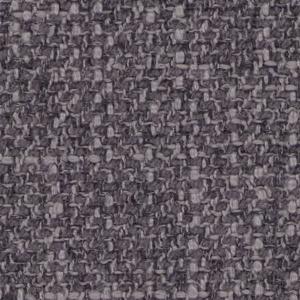
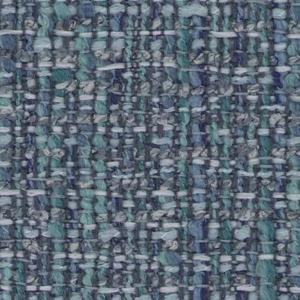
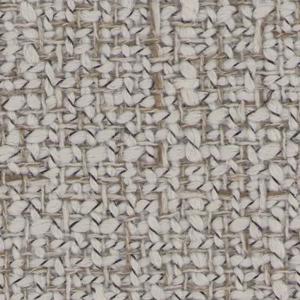
Want to see which colors suit your table before you commit to a few yards? Here are some picks that work beautifully with this project:
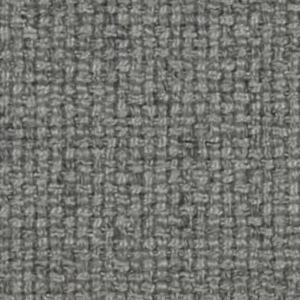
What Is a Scrap-Friendly Version of This Project?
A patchwork runner made from leftover upholstery scraps costs almost nothing and looks intentional. Cut your scraps into 3-inch strips or 5-inch squares, sew them together with ¼ inch seams, press the seams open, and use the pieced panel as your runner top.
- Trivets: One 9-inch square of scrap plus a 9-inch backing is all you need. A fat quarter-sized remnant yields two or three.
- Coasters: A 5-inch scrap makes a coaster. Mix colors for a mismatched, cozy look.
- Short on scraps: Check the upholstery fabric sale page for discounted yardage in rust, olive, and gold.
Honestly, scrap projects are the best advertisement for upholstery fabric. Heavy weaves press flat, hold their shape, and make seams that don't fray into fuzz.
How Do You Spot-Clean an Upholstery Fabric Table Runner?
Blot spills immediately with a clean white cloth, then dab with a few drops of mild dish soap in cool water. Rubbing pushes the stain deeper, so press and lift.
For greasy gravy or butter, sprinkle cornstarch on the spot, wait 15 minutes, brush it off, then treat with soap and water. Let the runner air dry flat before using it again, and avoid high dryer heat, which can warp the backing and batting. If your swatch test passed, a gentle machine wash on cold works for deeper cleaning between holidays. Quotable rule of thumb: the faster you blot, the less you scrub.
Tips for a Runner That Lasts
- Slow down at the thick seams. Hand-turn the wheel over bulky corners instead of forcing the needle.
- Change your needle halfway through. Dense weaves dull needles quickly, and a dull needle skips stitches.
- Seal cut edges with a dab of fray check if you aren't serging.
- Make the trivets slightly larger than your biggest serving dish base.
- Store the set rolled, not folded, to avoid creases in the batting.
Frequently Asked Questions
Q: Can you use upholstery fabric for a table runner?
Yes. Upholstery fabric is ideal for a table runner because it's tightly woven, thick, and rated for 30,000 to 100,000+ double rubs. It resists snags, spills, and repeated washing far better than quilting cotton.
Q: Is upholstery fabric heat resistant enough for a trivet?
Upholstery fabric alone is not fully heat proof, since many are polyester that softens around 480°F. Adding a layer of 100% cotton or insulated batting makes it work for warm serving dishes, but use cork or wood under pans straight from the oven or stove.
Q: How much fabric do I need for a table runner and trivets?
You need about 2¼ yards of 54-inch-wide upholstery fabric for a 14 x 72 inch runner and four 8-inch trivets. That includes the backing, so you won't need a second fabric.