
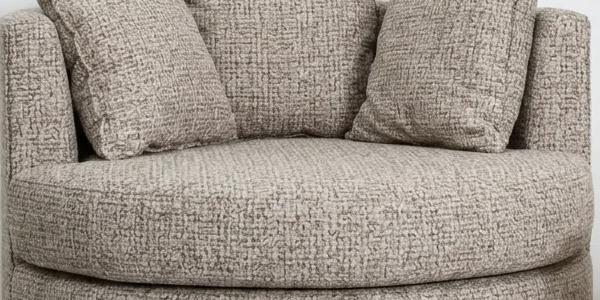
A heavy-duty tote bag sewn from upholstery fabric will carry firewood, a peck of apples, and a week of farmers market produce without sagging, fraying, or tearing at the handles. It's fall, the woodpile is growing, and the quilting cotton tote you bought last year already has a blown-out seam. Upholstery fabric was engineered to be sat on, scraped, and scrubbed for a decade, so it shrugs off a load of rough logs. This guide walks you through fabric choice, cutting a boxed-bottom carrier, reinforced handles, and linings, all using indoor-grade fabric you can sew on a home machine.
Why Does Upholstery Fabric Beat Quilting Cotton and Canvas for Hauling?
Upholstery fabric lasts longer because it's heavier, more tightly constructed, and tested for abrasion. A high double rub count means the fabric survived thousands of back-and-forth rubs against an abrasive test surface without wearing through.
Quilting cotton typically weighs about 4 to 5 ounces per square yard and isn't rated for abrasion at all. Upholstery-weight fabric starts around 10 ounces and often runs past 15. Under the Wyzenbeek test, many mills treat 15,000 double rubs as the minimum for general upholstery and 30,000 or more as heavy-duty. Tightly woven polyester chenille often tests well above that.
Cotton canvas feels tough, but it's a plain weave that wears at the fold lines and snags on bark splinters. A dense upholstery weave has more yarns per inch, so one snagged thread doesn't unravel the whole panel. Plus, you get a lot more color and texture options than a bolt of olive drab.
What Fabric Weight and Weave Work Best for Load-Bearing Straps?
Choose a flat, tightly woven upholstery fabric of 12 ounces per square yard or heavier, rated at 30,000 double rubs or more. Flat weaves and low-pile chenille handle straps and bags best.
A good woven upholstery fabric is the safest pick for a log carrier. Its flat surface doesn't catch on bark, and the interlaced yarns spread weight across the whole panel. Skip anything with long loops or a loose open weave for logs. Boucle looks gorgeous on a sofa, but it will snag on a split oak round.
Honestly, chenille is criminally underrated for bags. Dense chenille upholstery fabric has a soft hand and a tough, tightly packed backing, which makes it ideal for an apple-picking tote that sits in the car and gets tossed around. Choose a short, even pile and give the back a good tug test. If you can see light through it, it isn't heavy enough.
Here's a quick spec checklist:
- Weight: 12 to 18 ounces per square yard for bodies, similar or heavier for straps.
- Abrasion rating: 30,000+ Wyzenbeek double rubs, or 25,000+ Martindale cycles.
- Weave: Flat woven or short-pile chenille, no long floats or loops.
- Color: Mid-tone or dark. Bark dust and apple stains vanish into brown woven upholstery fabric, and it matches fall decor.
What Needle and Thread Should You Use on Upholstery Fabric?
Use a size 100/16 or 110/18 jeans or denim needle with bonded nylon or bonded polyester thread, tex 70 for construction and tex 90 for topstitching. Bonded thread resists abrasion and won't rot or fray the way cotton thread does.
- Needle: Sharp-pointed denim needles punch through thick layers without skipped stitches. Swap it out at the first sign of dullness.
- Stitch length: 3 to 3.5 mm. Short stitches perforate the fabric like a postage stamp, and long ones look sloppy.
- Presser foot: A walking foot feeds the layers evenly. A roller foot works well on chenille.
- Webbing: 1.5 inch wide polypropylene or cotton webbing for the handle underlay.
- Extras: Clips instead of pins, a hammer for flattening bulky seams, and a hand-crank wheel to ease over thick spots.
Photo by Alexander Andrews on Unsplash
Step-by-Step Instructions
- Test and prep your fabric. Check the back for a stabilizing latex coating, which can gum up a needle. Cut a small swatch and sew a practice seam with your chosen needle and thread. Most upholstery fabrics aren't meant for machine washing, so skip prewashing and plan on spot cleaning.
- Cut the body panels. For a firewood carrier, cut two panels 22 inches wide by 20 inches tall. For a market tote, cut two at 16 by 16 inches. Match the grain so the weave runs straight up and down, and keep any pattern aligned across both panels.
- Cut the boxed corners. From each bottom corner, cut a 4 inch square on the log carrier or a 3 inch square on the market tote. Sew the side and bottom seams with a 5/8 inch allowance, press them open, then pinch each corner so the side seam meets the bottom seam. Stitch across the opening. A 4 inch box gives the log carrier a 14 by 8 inch base, enough to stand logs upright.
- Finish the raw edges. Upholstery weaves fray fast. Zigzag or serge every cut edge before you assemble, or bind the seams with cotton twill tape. Fold the top edge down 1.5 inches twice and topstitch it to form a clean, stiff rim.
- Make the straps with a webbing underlay. Cut each strap 4.5 inches wide by 30 inches long for the log carrier. Lay the webbing down the center, wrap the fabric around it, and topstitch both edges. The webbing carries the load, and the fabric makes it look good. As a rule, webbing should run past the stitching zone on the bag body, so the weight never hangs on fabric alone.
- Attach the handles with a box-X. Position each strap end 3 inches from the side seam, overlapping the body by 4 inches. Stitch a rectangle about 1.5 inches wide, then sew an X inside it, corner to corner. This pattern spreads stress in four directions, so it won't peel away the way a single line of stitching does.
- Add bar tacks for insurance. Finish the top edge of each strap with a bar tack, a dense block of 20 to 40 tiny stitches. If your machine doesn't have a bar tack setting, set the zigzag width to 3 mm and the stitch length near zero, then sew about an inch back and forth. Two bar tacks per strap end is plenty.
- Add the lining. Cut lining panels the same size as the body, sew them as a separate bag, and tuck it inside wrong sides together. Stitch the lining to the body along the top rim. See the lining options below for wet, muddy, or messy loads.
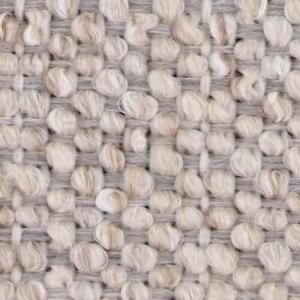
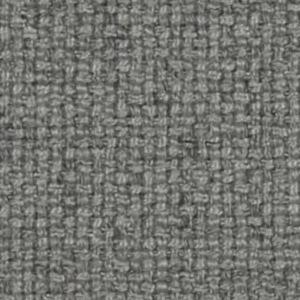
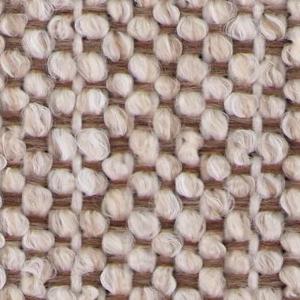
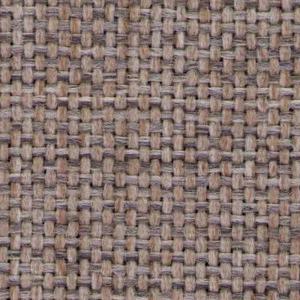
Not sure which fabric to start with? A good market tote is all about a sturdy base, and these upholstery fabrics fit the bill:
Which Lining Is Best for Wet or Dirty Loads?
A faux leather or vinyl lining is the best choice for wet or dirty loads because it wipes clean and blocks moisture. A plain cotton lining works for dry produce and pantry runs.
- Faux leather or vinyl: A faux leather upholstery fabric lining shrugs off damp bark, muddy apples, and leaky farm-stand bags. Wipe it down with a damp cloth. Use a Teflon or roller foot, since regular feet can stick.
- Removable cotton liner: Sew a simple drawstring liner from washable duck cloth for produce. Toss it in the wash after each market run.
- Bottom insert only: Cut a vinyl panel to fit just the base. It protects the seams where wet bark and dirt collect.
Whatever the lining, empty the bag and let it air out. Trapped moisture is the real enemy of a fabric bag, not the logs themselves.
Tips for a Tote That Lasts
- Don't overload the first run. Start with 15 to 20 pounds and build up. A well-built carrier with webbing straps holds more, but test your seams first.
- Shake it out, don't scrub. Bark and dirt brush off dry upholstery fabric. Use a lint roller or soft brush on chenille, and spot clean with a mild detergent.
- Use remnants wisely. You only need about a yard and a half of fabric per bag, so check the upholstery fabric sale for ends and discounted rolls.
- Keep it indoors. Hearth-side carriers and car totes stay out of the sun and rain, which is why indoor fabrics work so well. Leave outdoor use to solution-dyed acrylic.
- Make a matched set. A small tote for the pantry and a big carrier for the hearth, in the same fabric, make a great housewarming gift.
Frequently Asked Questions
Q: Can you make a tote bag from upholstery fabric?
Yes, upholstery fabric makes an excellent tote bag. It's thicker and more abrasion-resistant than quilting cotton, so it holds its shape and survives heavy loads like firewood and produce. Use a 100/16 or 110/18 needle and bonded thread.
Q: What double rub count do you need for a heavy-duty bag?
Aim for at least 30,000 Wyzenbeek double rubs for a heavy-duty bag. Anything above 15,000 is acceptable for general upholstery, but 30,000 or more handles the friction of bark, crates, and car trunks.
Q: How do you keep tote handles from ripping off?
Reinforce each handle with a webbing underlay, then stitch a box-X pattern and add a bar tack at the stress points. Webbing carries the weight instead of the fabric, and the box-X spreads the strain across the body of the bag.