
It's Friday, the oven is calling, and your favorite quilting-cotton apron already has three permanent apple-butter stains. Here's the fix: sew a heavy-duty upholstery fabric apron. Upholstery vinyl and tight-weave woven fabric shrug off flour, grease, and splatter, and they keep their shape through years of canning season. This version has a cross-back strap that takes the weight off your neck, a deep front pocket, and a towel loop. It takes less than 1.5 yards, and it makes a great gift for holiday bakers.
Why Is Upholstery Fabric Better Than Quilting Cotton for an Apron?
Upholstery fabric is built for abrasion, spills, and daily wear, and quilting cotton isn't. Quilting cotton typically weighs 3 to 5 ounces per square yard. Upholstery fabric often runs 9 to 18 ounces, so it blocks splatter instead of passing it straight to your shirt.
Durability is measurable, too. Heavy-duty upholstery fabrics are commonly rated at 15,000 or more double rubs on the Wyzenbeek test (one double rub is one back-and-forth pass of an abrasive over the fabric). Quilting cotton isn't tested for that at all. An apron rubs against counters, stove edges, and your own hands every few minutes, so that rating matters.
Plus, the weight gives you a nice drape. Thick fabric hangs flat instead of billowing into the burner flame, and it doesn't fold into a wrinkly mess in your drawer. Honestly, once you cook in one, a thin apron feels like cooking in a dish towel.
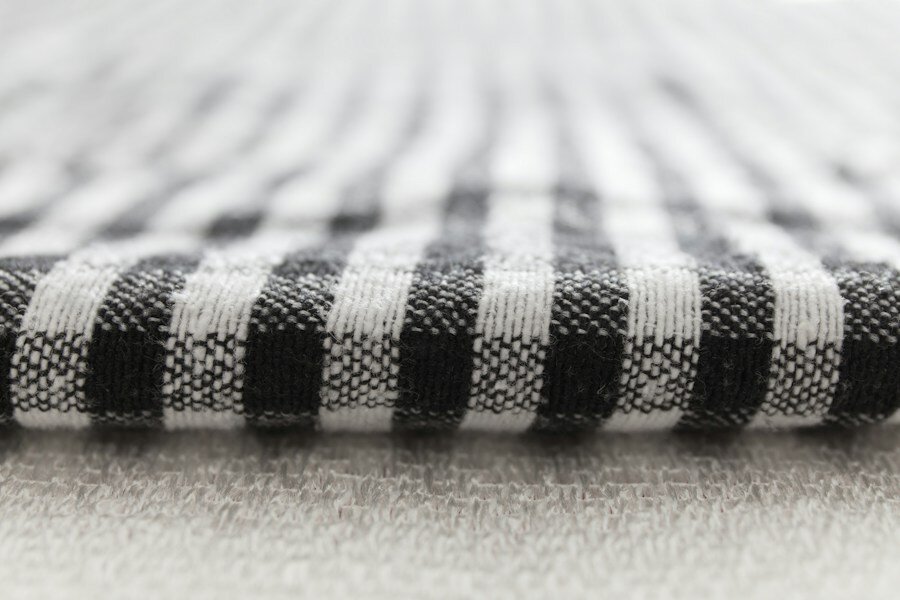
Photo by Marek Ruczaj on Unsplash
What Is the Best Upholstery Fabric for a Kitchen Apron?
The best choices are upholstery vinyl for wipe-clean protection or a tight-weave woven for a washable, softer feel. Both handle splatter far better than loosely woven or pile fabrics.
- Vinyl: The fastest to clean. Wipe it with a damp cloth and you're done. It doesn't fray, so edges can stay raw, and it blocks liquid completely. It's stiffer and doesn't breathe, so it's best for canning, messy baking, and short sessions.
- Tight-weave woven: Softer and more comfortable for a long day at the stove. Look for a dense weave with a Martindale rating of 20,000 cycles or more, which is the usual benchmark for heavy domestic use. Browse our full selection of woven upholstery fabrics to compare textures.
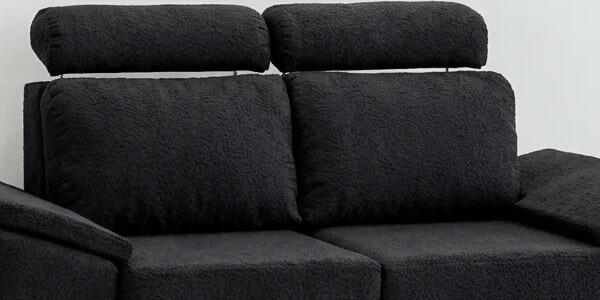
- Skip these: Velvet, boucle, and deep chenille trap crumbs and soak up grease. They're lovely on a sofa and a headache at the stove.
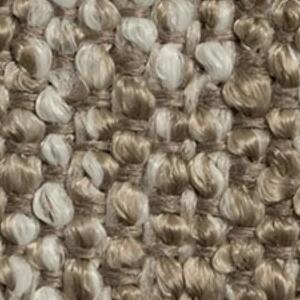
Color matters more than you'd think. Apple butter and tomato sauce disappear on a mid-tone, so a brown woven upholstery fabric is a smart, forgiving pick for canning season.
What Do You Need, and How Much Does It Cost?
You need about 1.25 yards of 54-inch-wide upholstery fabric, which stays comfortably under 1.5 yards. Here's the cut list, with 1-inch hem allowances built in:
- Apron body: 28 inches wide by 32 inches long
- Pocket: 11 inches wide by 10 inches tall
- Towel loop: 2 inches by 7 inches
- Two straps: 3 inches by 44 inches each (for vinyl, cut four strips 1.5 inches wide)
The body takes 32 inches of fabric length, and the pocket and loop fit in the leftover width beside it. The straps take another 6 inches. That's about 38 inches, so buy 1.25 yards to leave room for mistakes.
For cost, multiply 1.25 by your per-yard price. Fabric at $15 to $30 a yard puts the fabric at roughly $19 to $38. Add about $8 to $12 for heavy needles and bonded polyester thread, and a custom apron lands near what a decent store-bought one costs. Yours will outlast it.
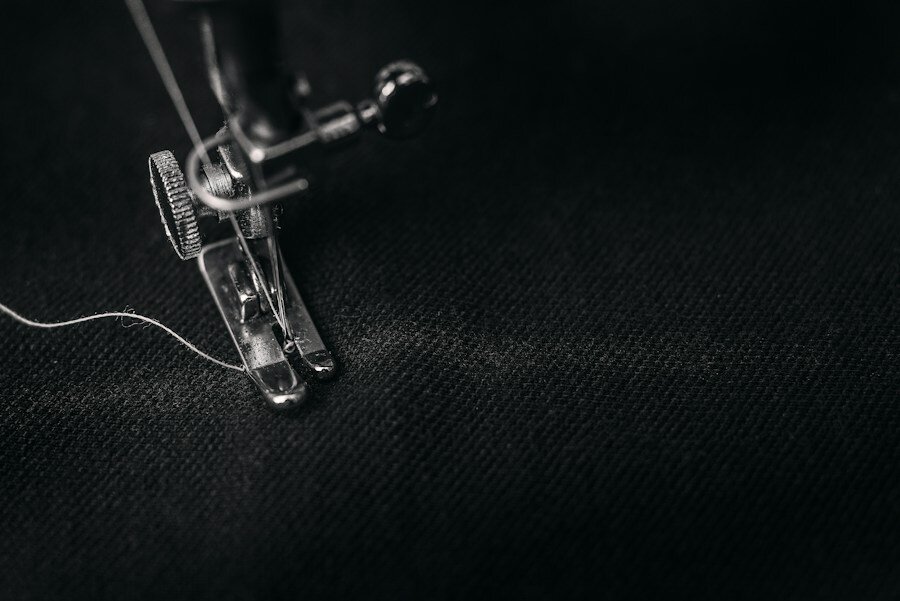
Photo by Alexander Andrews on Unsplash
Step-by-Step Instructions
- Prep your fabric and tools. Pre-wash woven fabric if the label allows it, so shrinkage happens before you sew. Skip washing vinyl and wipe it down instead. Load a size 100/16 or 110/18 denim or leather needle. For vinyl, use a leather needle with a Teflon or roller presser foot, so the fabric doesn't stick and drag. Thread with bonded polyester or nylon, size 69 or heavier.
- Cut the pieces. Use a rotary cutter and mat on woven fabric, or sharp shears. On vinyl, use clips instead of pins, since pin holes stay forever. Round the bottom corners of the body slightly. Then curve the armhole edges: cut a gentle 3-inch-deep curve on each upper side of the body, which keeps the straps from tugging.
- Hem without bulk. Fold each edge 1/2 inch, then 1/2 inch again, and use a wooden clapper or a mallet to flatten the fold on woven fabric. At the corners, trim the folded layers at a diagonal before turning. Vinyl doesn't fray, so fold once, 1/2 inch, and topstitch, or leave the edges raw for a modern look. Set your stitch length to 3 to 3.5 mm, which grips thick layers without perforating them.
- Make the pocket. Hem the top edge of the pocket twice, then topstitch it. Fold the other three sides under 1/2 inch and press with a clapper. Pin or clip the pocket to the body, 10 inches down from the top and centered. Stitch around the sides and bottom, backstitching at the top corners. Add a vertical line of stitching down the center for a divided pocket that holds a phone on one side and a spatula on the other.
- Add the towel loop. Fold the 2-inch strip in thirds lengthwise, then topstitch both edges. For vinyl, fold it in half and topstitch. Fold the loop into a U shape and stitch it to the left side seam at hip height, with a small box and X for strength.
- Sew the straps. For woven, fold the long edges 1/2 inch to the center, fold the strap in half lengthwise, and topstitch both edges. For vinyl, stack two strips with wrong sides together and topstitch both sides. Sew one end of each strap to a top corner of the body with a reinforced box and X. Cross the straps in back and sew the free ends to the opposite waist-level side seams. Try it on first, and adjust the length before you commit.
- Finish and test. Trim all threads and check every stress point. Wear it, reach, lean, and pretend to stir a very heavy pot. Re-stitch anything that moves. Then bake something.
How Do You Clean a Fabric Apron Safely?
Wipe vinyl with warm water and a drop of mild dish soap, rinse with a clean damp cloth, and air-dry. Wash woven fabric in cold water on a gentle cycle and line-dry it. Check the fabric's care label first, since finishes vary.
Brush off dry flour before it meets water, or it turns to paste. Skip bleach and harsh solvents, which can strip vinyl finishes and fade color. If raw poultry touched the apron, wash woven in the hottest water the fabric allows, or wipe vinyl with soap and then a kitchen-safe sanitizing spray.
Two safety notes. First, upholstery vinyl isn't made or certified for food contact, so wear it, but don't use it as a pot holder, wrap, or bread cover. Second, no upholstery fabric is heat-proof. Vinyl can soften or stick to hot metal, and synthetic wovens can melt, so keep the apron away from open flame and don't use it to grab hot pans.
Which Fabrics Make the Best Fall Baking Gifts?
A heavy-duty apron makes a great gift because it's useful, personal, and costs less than most kitchen gadgets. Slip a wooden spoon and a jar of cinnamon sugar in the pocket, and you've got a finished present.
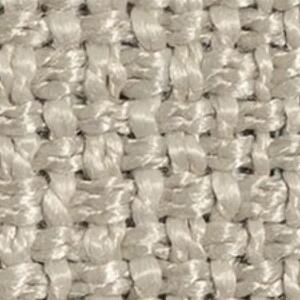
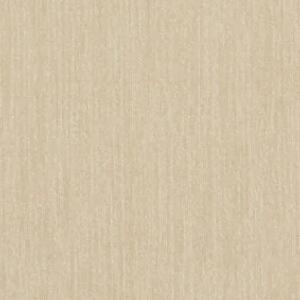
Neutral shades work for almost everyone. A grey woven upholstery fabric looks clean in any kitchen, and a blue woven upholstery fabric adds a cooler contrast to warm fall decor. Here are a few tight-weave options to start with:
Shop Woven Upholstery Fabrics
Tips for Sewing Thick Upholstery Fabric
- Go slow. Thick layers hate speed. Use the handwheel to get over bulky seams, and a hump jumper (or a folded scrap) under the back of the presser foot at seam crossings.
- Test first. Sew a scrap with the same layers before you touch the real apron.
- Use a new needle. Dull needles skip stitches and punch ugly holes. A fresh one costs less than ruined fabric.
- Press carefully. Never iron vinyl directly. On woven, use a pressing cloth on low heat and test a scrap first.
- Add a pocket stop. Put a tiny bar tack at each pocket corner, where the strain concentrates.
Frequently Asked Questions
Q: Can you use upholstery fabric to make an apron?
Yes. Upholstery fabric makes a very durable apron because it's thicker, more abrasion resistant, and more stain resistant than quilting cotton. Use a heavy needle, strong thread, and a fabric that's flexible enough to wear comfortably.
Q: How much fabric do you need for an apron?
You need about 1.25 yards of 54-inch-wide upholstery fabric for a full-size apron with a pocket, towel loop, and cross-back straps. That allows for hems and a little extra for mistakes.
Q: What needle do you use to sew upholstery fabric?
Use a size 100/16 or 110/18 denim or leather needle with bonded polyester or nylon thread. For vinyl, use a leather needle and a Teflon or roller foot so the fabric doesn't stick.