
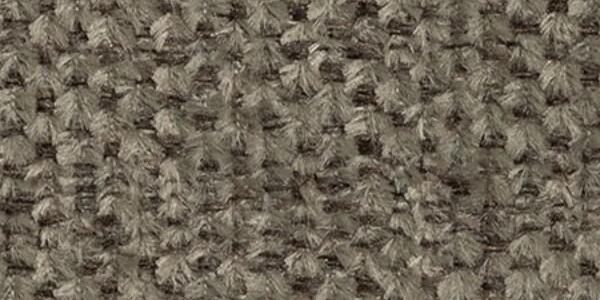
A heavy-duty upholstery fabric pet throw is the cheapest insurance policy you can buy for your sofa. Fall hits, the dog comes in soaked from leaf piles, the cat discovers the couch arm is a scratching post, and suddenly that fleece blanket from the big box store looks like a lint roller's worst nightmare. Here's a better plan for a Saturday afternoon: sew your own tuck-in sofa throw from chenille or woven upholstery fabric, give it a quilted back and a bound edge, and add grippers so it stops sliding off every time Biscuit jumps up.
Why Make a Heavy-Duty Upholstery Fabric Pet Throw?
Upholstery fabric is built to take abuse that bedding fabric never sees. A typical residential upholstery fabric is rated around 15,000 double rubs, and heavy-duty contract fabric starts at 30,000 on the Wyzenbeek abrasion test. Plenty of the fabrics we sell go well past 100,000. Fleece, by comparison, pills within a few washes, and quilting cotton usually has no abrasion rating at all because nobody expects it to be sat on by a 70-pound Lab.
A double rub is one back-and-forth pass of an abrasive cotton duck across the fabric. The higher the count before visible wear, the longer the fabric holds up. That's the number to look for when claws and weekly washing are part of your life.
Also, a tightly woven upholstery fabric resists snagging. Claws catch on loops and loose threads, not on dense, flat construction. That's why a low-pile chenille or a flat woven outlasts almost anything on a pet-heavy sofa.
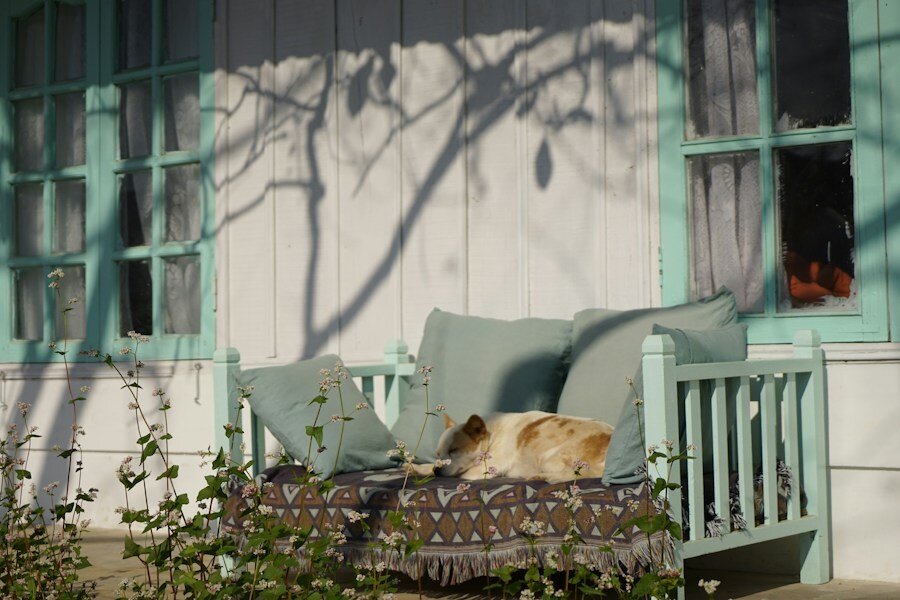
Photo by Fiona Doan on Unsplash
How Much Fabric Do You Need for a Three-Seat Sofa Throw?
For a standard three-seat sofa (about 84 to 90 inches wide), buy 3 yards of 54-inch-wide upholstery fabric and 3 yards of backing. That gives you a finished throw around 54 by 90 inches, plus a cushion for shrinkage and trimming.
Here's the quick math. The sofa is roughly 88 inches wide, so run the 90-inch length along the fabric roll. The 54-inch width then covers the seat, about 22 inches deep, and climbs 25 to 30 inches up the back, with a tuck allowance in the crease. If you want a bigger drape over the arms, add a half yard and plan a center seam.
- Top fabric: 3 yards of chenille or woven upholstery fabric, 54 inches wide.
- Quilted backing: 3 yards of pre-quilted cotton or a cotton flannel with a thin layer of low-loft batting. Skip thick batting, because the top fabric already has heft.
- Binding: About 1 yard of lightweight cotton or twill, cut into 3-inch strips, or roughly 9 yards of wide double-fold bias tape.
- Grippers: Two or three strips of silicone non-slip tape or rug gripper, 2 inches wide.
- Tools: Walking foot, size 100/16 or 110/18 needle, heavy-duty polyester thread, binder clips, and a rotary cutter.
Which Upholstery Fabric Weights and Weaves Wash Best?
Mid-to-heavy weight chenille and flat woven upholstery fabrics, roughly 12 to 18 ounces per yard, drape and wash best. They're dense enough to resist claws but flexible enough to tuck into a sofa crease without standing up like cardboard.
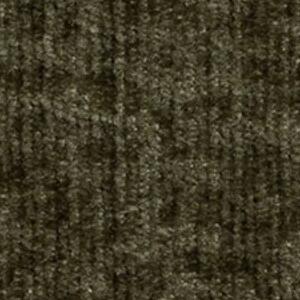
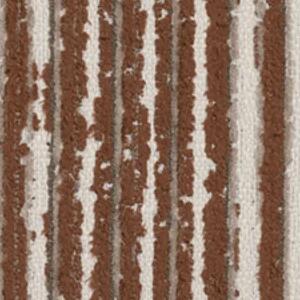
Honestly, chenille is criminally underrated for pet throws. The soft, tufted yarn hides hair and dirt, and a tight-backed chenille holds its shape through repeated washing. Mud-colored dogs and mud-colored fall weather pair well with brown chenille upholstery fabric, which camouflages a lot between washes. If your sofa is a cooler tone, grey chenille upholstery fabric blends in and still reads as an intentional design choice, not a dog blanket.
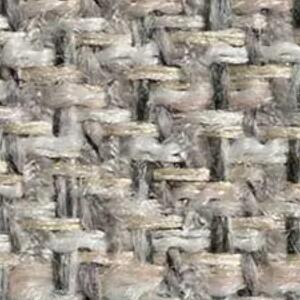
Prefer a flatter, more tailored look? A woven upholstery fabric in a herringbone or basketweave gives you the same toughness with less fuzz. Both options also suit the warm, earthy, texture-heavy look that's dominating homes right now.
Avoid bouclé for this project. It's gorgeous, but the looped yarns are exactly what claws love to snag. Also skip anything with a long, loose pile, since it sheds and mats in the dryer.
One more thing: check the care code on any fabric before you buy. Some upholstery fabrics are rated for spot cleaning only, and you want one you can toss in the machine.
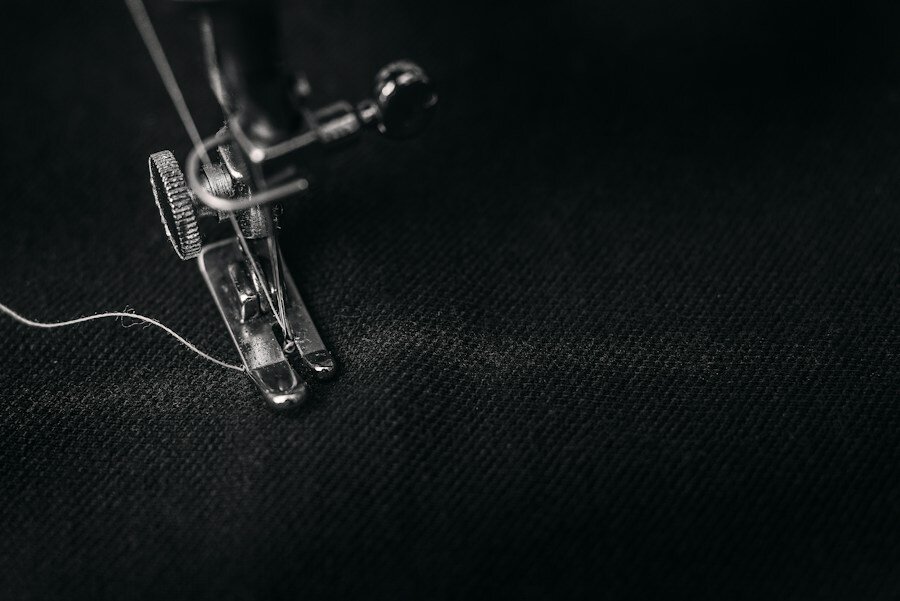
Photo by Alexander Andrews on Unsplash
Step-by-Step Instructions
- Pre-wash everything. Wash the top fabric, backing, and binding together in warm water on a gentle cycle, then dry on medium heat. Do it twice if you can stand it. Fabric that hasn't been pre-washed can shrink 3 to 5 percent, which turns a snug throw into a puckered mess after the first laundry day.
- Shrink-test a swatch. Before the full wash, cut a 10-inch square of each fabric and trace it on paper. Wash and dry the swatch, then lay it back on the tracing. If it shrank more than half an inch, wash the yardage again until it stops moving.
- Cut your pieces. Trim the top to 54 by 90 inches and the backing to the same size, using a rotary cutter and long ruler. Rounded corners are easier to bind on thick fabric, so trace a dinner plate at each corner and trim the curve.
- Quilt the layers together. Stack the backing wrong side up, add batting if you're using it, then the top fabric right side up. Clip with binder clips (pins fight dense weaves). Stitch straight lines 6 inches apart with a walking foot and a 3.5 to 4 mm stitch length. This keeps the layers from shifting in the wash.
- Prepare the binding. Cut 3-inch strips, join them with diagonal seams, and press in half lengthwise. If you're using bias tape, skip this step. Use a lighter fabric for binding because it folds cleanly over the thick edge, where a heavy fabric would fight you the whole way around.
- Attach the binding. Sew the raw edges of the binding to the top of the throw with a 3/8-inch seam, easing it around the curves. Fold it to the back, clip generously, and stitch in the ditch from the front. Go slowly over the thick spots and use the handwheel if the machine hesitates. Hammer seams flat with a mallet before stitching to make the needle's job easier.
- Add the non-slip grippers. Cut silicone gripper strips to 20 inches and position them along the underside where the throw meets the seat crease and across the front of the seat. Stitch them down with a zigzag stitch and a Teflon or walking foot. A piece of tissue paper under the strip stops the silicone from grabbing the presser foot. Tear it away afterward.
- Finish and test it. Trim all threads, give the whole throw one more wash, and tuck it into the sofa. The grippers should hold it in place when the dog does the full hop-spin-flop routine.
Ready to pick your fabric? Here are some chenille options that fit this project well.
Shop Chenille Upholstery Fabrics
How Do You Care for a Pet Throw Through Muddy Season?
Wash a pet throw weekly in warm water with a mild detergent on a gentle or normal cycle, then dry on low to medium heat. Weekly washing keeps oils, dander, and mud from settling into the fibers, which is what causes lingering odors.
- Shake it out first. Take the throw outside and give it a good snap to loosen leaves, dirt, and most of the hair before it ever touches the machine.
- Skip fabric softener. Softener coats fibers and traps hair. Add a half cup of white vinegar to the rinse instead to neutralize odors.
- Use a large-capacity washer. A 54 by 90 inch throw can weigh 6 to 8 pounds when dry, and much more wet. A laundromat machine is worth the quarter if your home washer is small.
- Remove stubborn hair. Toss a clean, dry rubber glove or a few wool dryer balls in with the throw, or run it through a 10-minute no-heat tumble before washing.
- Rotate two throws. Make a second one, since you've already got the pattern. One lives on the sofa while the other dries.
Tips for a Throw That Lasts
- Go a shade darker than your sofa. It hides dirt and still looks tidy between washes.
- Change your needle halfway through the project. Dense fabric dulls it quickly, and a dull needle skips stitches.
- Use polyester thread, not cotton. It resists abrasion and doesn't weaken with frequent washing.
- Take a photo of your sofa before you shop and compare it to a swatch in daylight. Fall light is warm and low, so it flatters browns and creams more than you'd expect.
- Keep a lint roller by the door. A quick pass takes a minute and extends the time between washes.
Frequently Asked Questions
Q: What is the best fabric for a pet throw blanket?
The best fabric is a tightly woven, mid-weight chenille or flat woven upholstery fabric with a double rub count of 30,000 or higher. These fabrics resist claws, hide hair, and survive frequent washing without pilling the way fleece does.
Q: How much fabric do I need for a three-seat sofa throw?
You need about 3 yards of 54-inch-wide upholstery fabric and 3 yards of backing for a three-seat sofa. That makes a finished throw about 54 by 90 inches and leaves extra for shrinkage and trimming.
Q: Can you machine wash upholstery fabric?
Many upholstery fabrics can be machine washed, but you should check the care code first. Pre-wash and dry the fabric before sewing, use warm water on a gentle cycle, skip fabric softener, and dry on low to medium heat to limit shrinkage.