
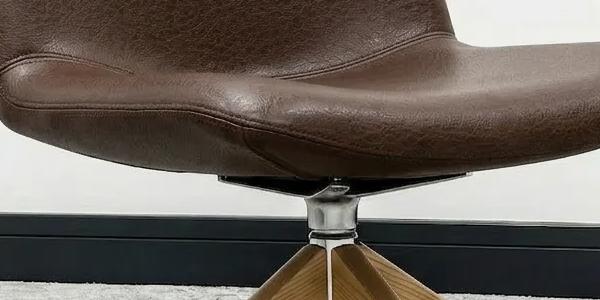
Learning how to sew a lap desk is one of the best uses for leftover upholstery fabric. It's a firm, weighted pad with a smooth faux leather top that sits across your knees and gives your laptop, tablet, sketchbook or homework a steady surface on the couch. It needs less than one yard of fabric and about an afternoon. Since it's Saturday and fall evenings are settling in, this is a great weekend project before the blankets and hot cocoa come out.
Why Is Faux Leather Better Than Craft Fabric for a Lap Desk?
Faux leather resists abrasion, spills and heat far better than thin craft fabric because it's made for furniture that gets sat on daily. A wipe clears coffee, glue and marker, while quilting cotton soaks everything up.
Here's the numbers side of it. Upholstery fabrics are tested by double rubs, where a machine drags abrasive material back and forth across the surface. The Wyzenbeek test counts those passes, and 15,000 double rubs is the usual threshold for heavy-duty residential use. Many faux leathers and vinyls test well above that, often into the tens of thousands, depending on the product. Quilting cotton isn't rated for upholstery at all, and a laptop's rubber feet will fuzz it up in weeks.
Heat matters too. A laptop under load can run warm on the bottom, often around 100°F or more. A polyurethane or vinyl-coated surface shrugs that off, and the smooth finish lets air move under the machine instead of trapping it like a fuzzy fleece would.
Pet and kid durability is the other win. Cat claws tend to slide off a tight, coated surface, and a spilled juice box is a ten-second cleanup. Honestly, nothing beats a wipeable top for a homework spot.
Photo by Goran Ivos on Unsplash
What You Need to Sew a Lap Desk
You need under one yard of fabric total, a bag of poly pellets, and basic sewing tools. A standard 54-inch-wide upholstery fabric gives you more than enough, since both outer pieces fit side by side across the width.
- Top fabric: 15 inches of 54-inch-wide faux leather or vinyl (a scrap or quarter yard often works)
- Underside fabric: 15 inches of 54-inch-wide suede or another grippy upholstery fabric
- Liner: two 14.5 x 18.5 inch pieces of muslin or any tightly woven cotton scrap
- Filling: about 4 cups of poly pellets (plastic fill), roughly a pound and a quarter
- Closure: a 14-inch strip of sew-in hook-and-loop tape
- Tools: size 100/16 needle, bonded polyester thread, wonder clips, walking or Teflon presser foot, funnel, fabric marker
Why poly pellets? They're rice-free, so there's no risk of moisture, mold or pests, and they're clean to work with. Glass beads also work and add weight, but they cost more. Skip rice and dried beans, which can go musty if the pad ever gets damp.
Finished size is about 14 x 18 inches, which fits most 13 to 15 inch laptops with room for a mouse or a mug at the edge. Make it a little smaller for kids.
Step-by-Step Instructions
- Cut your pieces. Cut one 15 x 19 inch rectangle from the faux leather (top) and one from the suede (underside). Cut two 14.5 x 18.5 inch rectangles of muslin for the liner. Use a rotary cutter or sharp shears on the back of the faux leather, and mark with a fabric marker or chalk. Pins leave permanent holes in vinyl.
- Mark the channels on the liner. Place the muslin pieces together and draw two lines lengthwise, dividing the width into three equal channels of roughly 4 3/4 inches each. These channels keep the pellets from sliding to one end, so your laptop doesn't tip.
- Sew the liner. Stack the muslin pieces and stitch around three sides with a 1/4 inch seam, leaving one short end open. Then sew along your two marked lines, backstitching at both ends. Use a stitch length of 2.5 mm and go over the outer seams twice for extra strength, since pellets work at seams.
- Fill the channels. Using a funnel, pour about 1 1/3 cups of pellets into each channel. Give the pad a shake to level it. You want it firm and flat, not stuffed like a beanbag. Too full and it won't sit steady on your knees.
- Close the liner. Fold the open edge in 1/4 inch and stitch straight across with two parallel rows, about 1/8 inch apart. For extra safety, pellets mean double stitching is worth the extra two minutes.
- Prepare the outer cover. Place the faux leather and suede with right sides together and clip the edges. Faux leather can stick to the presser foot, so a walking foot or Teflon foot helps a lot. Set stitch length to 3 to 3.5 mm. Tighter stitching perforates the material and creates a tear line.
- Sew the cover. Stitch the two long sides and one short end with a 1/2 inch seam, backstitching at the start and finish. Leave the last short end open. Clip the corners at an angle, turn right-side out, and push the corners out with a chopstick.
- Add the closure. Faux leather doesn't fray, so you don't need to hem the opening. Sew the hook strip inside the top edge of the opening and the loop strip inside the underside edge, about 1/2 inch from the edge. Topstitch 1/4 inch from the edge for a clean look.
- Insert the liner. Slide the filled liner into the cover, smooth it flat and press the hook-and-loop closed. A snug fit keeps the pad from bunching.
Photo by Marília Castelli on Unsplash
Which Fabric Should You Use for the Top and the Underside?
Use faux leather or vinyl for the top and a grippy suede for the underside. The top needs to be wipeable and heat-tolerant, and the bottom needs friction so the pad doesn't slide off your lap.
For the top, faux leather upholstery fabric is the obvious pick. Pick a smooth finish over a heavily embossed grain if you plan to use a mouse, since bumpy textures make tracking less reliable. Fall decor leans into warm, moody tones right now, so brown faux leather in cognac or chocolate looks great against a cream sofa. If your couch is already neutral, black faux leather hides pen marks and looks sharp on a work-from-home setup. Forest green is another good autumn color that pairs well with rust and mustard throw pillows.
For the underside, you want something with a bit of nap and grab. A suede upholstery fabric grips denim, flannel and fleece pajama pants well, and it feels soft against your legs. Another option is a flat woven scrap, but avoid anything slick like a second faux leather layer on the bottom, because you'll be chasing the pad across your lap all night.
A good rule from the workroom: the top handles the work, the bottom handles the grip. Don't make one fabric do both jobs.
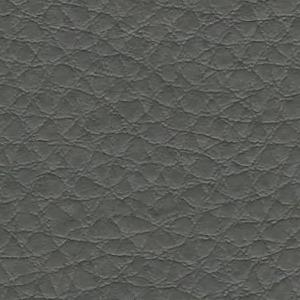
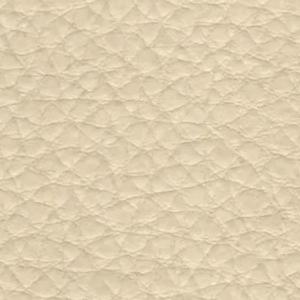
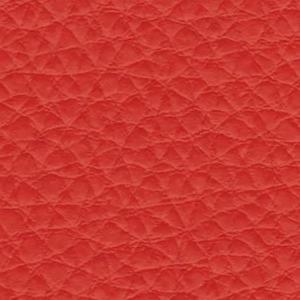
Here are some options to browse for your next scrap project.

Tips for a Lap Desk That Lasts
- Use the right needle. A 100/16 needle pierces coated fabrics without skipping stitches. Swap it out if it gets dull, since a blunt needle tears faux leather.
- Don't rip out stitches. Every needle hole in vinyl is permanent. Practice on a scrap first and sew slowly.
- Keep the vents clear. Never cover a laptop's air intakes with a soft pad. A firm, smooth top keeps airflow healthy.
- Add a pen or phone pocket. Sew a small patch pocket to the top before assembly, which is great for homework or crafting.
- Watch your budget. You don't need a full yard. Check the upholstery fabric sale for remnant-friendly cuts and mix colors for a patchwork top.
How Do You Clean and Care for a Faux Leather Lap Desk?
Wipe the top with a damp cloth and a drop of mild dish soap, then dry it with a clean towel. That handles most spills, crayon marks and fingerprints.
For ink or marker, dab with a little rubbing alcohol on a cotton ball and test it on the underside first. Avoid harsh solvents, which can dry out and crack the coating over time. Since the liner is removable, you can pull it out and spot-clean the cover or wash the muslin if anything ever leaks through. Store the pad out of direct sun and away from radiators, which can dull and stiffen vinyl over the years.
A good rule: a faux leather lap desk made with a coated, high-double-rub fabric should look good for years with just a quick monthly wipe-down.
Frequently Asked Questions
Q: How much fabric do I need to sew a lap desk?
You need about half a yard or less of each fabric. A 15 x 19 inch top and a matching underside fit side by side across 54-inch-wide upholstery fabric, so the whole project uses well under one yard, plus a small scrap of muslin for the liner.
Q: What can I use instead of rice to fill a lap desk?
Poly pellets are the best rice-free option. They're moisture-proof, lightweight, and won't attract pests or mold. Glass beads are heavier and work too, but they cost more. Either way, sew the filling into a closed liner with channels so it stays evenly spread.
Q: Is faux leather safe to use under a hot laptop?
Yes. Polyurethane and vinyl faux leather handle normal laptop temperatures, which usually stay around 100°F under load. Just keep the vents uncovered and avoid leaving the pad near radiators or in direct sun, since prolonged heat can stiffen the coating.