
You finished the chair, the bench or the pillows, and now there's a bin of leftover pieces staring at you. Don't toss them. Upholstery fabric is one of the best materials for a reusable bag holder and washable placemat set, because it was built to take years of abuse. This guide shows you how to sew a wall-mounted plastic bag saver, four placemats and a set of coasters from scraps, with exact cutting dimensions, a fray-proof edge method and washing instructions.
Why Do Upholstery Scraps Outlast Quilting Cotton?
Upholstery fabric lasts longer because it's heavier and tested for abrasion. Quilting cotton usually weighs 3 to 5 ounces per square yard, while upholstery fabric typically runs 8 to 16 ounces. That extra weight means more yarn in every inch, which means more material between a hot casserole dish and your tabletop.
Then there's the double rub count. In the Wyzenbeek test, a machine rubs an abrasive cotton duck across the fabric back and forth, and each back-and-forth cycle counts as one double rub. Residential upholstery is commonly rated at 15,000 double rubs, and heavy-duty fabric reaches 30,000 or more. Quilting cotton is made for quilts and apparel, so it generally isn't rated at all. The Martindale test, used more often in Europe, puts 20,000 cycles or more in the heavy domestic use range.
Here's the quotable version: a 15,000 double rub fabric is built to survive a decade of people sitting, sliding and spilling on it, so a placemat that only gets set down and wiped is barely working. Honestly, that's the most satisfying kind of overqualified.
It's also budget-friendly. The scraps are already paid for, and one dining chair's worth of leftovers can cover a table for four.
Photo by Kaja Reichardt on Unsplash
Which Scrap Weights and Weaves Work Best?
Tightly woven fabrics and low-pile chenille in the 8 to 14 ounce range work best. They lie flat, resist snagging and hold their shape through repeated washing.
- Tight woven fabrics. Plain weaves, twills and small-scale jacquards are the most reliable. They fray slowly, press flat and wipe clean. Browse brown woven upholstery fabric for earthy, stain-hiding tones.
- Chenille. Dense, low-pile chenille upholstery fabric feels cozy and cushions glassware. Chenille is criminally underrated for table linens. Just know that it sheds a little fuzz at cut edges, so finish them well.
- Solution-dyed acrylic and polyester blends. These take repeated washing without fading. Solution-dyed means the color is added before the fiber is spun, so it's in the yarn rather than on the surface.
- Skip these. Vinyl, suede and anything with a foam or latex backing. They won't survive the washer, and backed fabrics are a pain under a needle.
Check the cleaning code on the original tag if you still have it. W means water-based cleaning is safe, S means solvent only, WS allows either, and X means vacuum only. Stick with W or WS scraps for anything that's going in the wash.
How Do You Stop Upholstery Fabric From Fraying?
Finish every raw edge with a serged overlock, a dense satin stitch or a turned seam. Heavy upholstery weaves unravel at the cut, and pinking shears alone won't hold through repeated laundering.
- Serger or overlock. The fastest and cleanest option. Use a 4-thread overlock with polyester thread.
- Satin stitch. No serger? Set a zigzag to about 3.5 mm wide and 0.4 mm long, and stitch so the right swing falls just off the edge.
- Turn and topstitch. Sew two layers right sides together, turn, and topstitch. It's best for coasters and works well for placemats.
- Stay-stitch first. On chenille, sew a line 1/4 inch inside your cutting line before you cut. It stops the yarns from creeping.
A quick tip for the machine: use a 100/16 or 110/18 denim needle, polyester or bonded nylon thread, and a walking foot if you have one. Those choices cure most skipped stitches.
Photo by Alexander Andrews on Unsplash
Step-by-Step Instructions
Prewash all your scraps before cutting. Wash on warm, dry on low, and you'll remove sizing and shrinkage in one go. Press everything flat afterward.
- Cut the bag holder body. Cut one rectangle 15 inches wide by 20 inches tall. Also cut a hanging loop strip 3 inches by 8 inches.
- Make the hanging loop. Fold the strip in half lengthwise, right sides together, and sew a 1/2 inch seam. Turn it right side out (a chopstick helps), press, and topstitch both long edges.
- Sew the tube. Fold the body in half so the 20 inch sides meet, right sides together. Sew a 1/2 inch seam and finish the seam allowance with a zigzag or overlock. Turn right side out. You now have a tube about 4.5 inches across.
- Finish the top and add the loop. Fold the loop in half and baste it to the back seam at the top edge, raw ends flush. Turn the top edge under 1/2 inch, then another 1/2 inch, and topstitch, catching the loop. Bags go in here.
- Make the bottom casing. Turn the bottom edge under 1/4 inch, then 1 inch, and stitch close to the fold, leaving a 1 inch gap. Thread a 7 inch piece of 1/4 inch elastic through, overlap the ends by 1/2 inch, stitch them together, and close the gap. Bags pull out through this gathered opening. Hang the loop on a wall hook or screw-in peg.
- Cut the placemats. Cut four rectangles 14 inches by 18 inches. That's the classic size, with room for a dinner plate, a fork and a glass. Stay-stitch chenille first.
- Finish the placemat edges. Serge or satin stitch all four sides. Press the corners flat. For a double-sided mat, cut a second 14 by 18 piece in a contrasting weave, put wrong sides together, and finish the edges as one.
- Sew the coasters. Cut eight squares, 4.5 inches each. Place two together, right sides facing, and sew a 1/4 inch seam all around, leaving a 1.5 inch gap. Clip the corners, turn, press, and topstitch 1/8 inch from the edge. Use a cotton or cotton-blend scrap for the top layer if you want better absorption.
Want a paper towel alternative too? Cut 10 inch squares from absorbent cotton-blend woven scraps and finish the edges the same way. Polyester chenille looks great on the table, but it won't soak up spills like cotton does.
How Do You Style a Fall Table With Fabric Scrap Placemats?
Match your scrap colors to the season: rust, olive, chocolate brown and warm cream. Set solid or textured placemats on a bare wood table, then layer a cloth napkin and a seasonal gourd or two.
Texture is the big fall trend, so mix a smooth woven placemat with a chenille coaster underneath a glass. Try cream woven upholstery fabric for a neutral base, or add an olive accent with green woven upholstery fabric. A set of eight coasters in two colors also keeps wine glasses straight at a crowded Thanksgiving table. Because they're thick, the placemats insulate against warm serving dishes and stay put when kids bump the table.
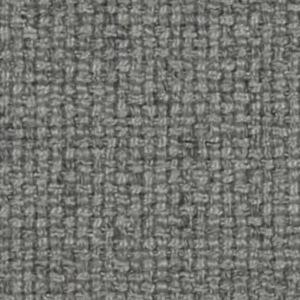
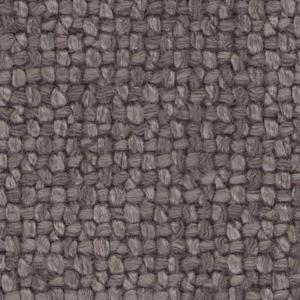
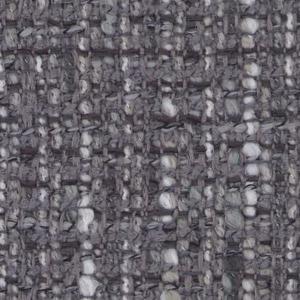
Need more yardage than your scrap bin holds? A small cut from the sale section goes a long way, and you can browse discounted upholstery fabrics before the hosting season peaks. Here are a few options that work well for placemats and coasters:
How Do You Wash Upholstery Fabric Placemats?
Machine wash on a gentle cycle in cold or warm water with mild detergent, then air dry or tumble on low. Skip bleach and fabric softener, both of which break down fibers and leave residue.
- Wash in a load of towels. The extra weight protects edges from rubbing.
- Treat spills quickly. Blot, don't rub, and soak in cool water before washing.
- Press when damp. A warm iron on the wrong side restores crisp corners. Use a pressing cloth on chenille.
- Wash the bag holder monthly. Keep raw meat bags out of it, and toss the whole thing in with your kitchen towels.
Tips for Better Results
- Test one scrap in the wash first. If it frays badly or sheds, use it for coasters, where the edges are enclosed.
- Mark the pile direction on chenille so all four placemats shade the same way.
- Use pattern weights instead of pins on tight weaves, since pins can leave permanent holes.
- Pick a darker scrap for households with pets and kids. It hides the inevitable gravy.
Frequently Asked Questions
Q: Can you use upholstery fabric for placemats?
Yes. Upholstery fabric makes excellent placemats because it's heavier than quilting cotton and rated for abrasion, often 15,000 double rubs or more. Choose pieces with a W or WS cleaning code so they're safe to machine wash.
Q: What is the best fabric for a reusable grocery bag holder?
A tightly woven, mid-weight fabric of 8 to 12 ounces per square yard works best. It holds its shape when stuffed with bags and wipes clean easily. Low-pile chenille also works if you finish the edges well.
Q: Can you machine wash chenille upholstery fabric?
Often, yes, but check the fiber content and cleaning code first. If it carries a W or WS code, wash it on a gentle cycle in cold water, skip bleach and softener, and air dry or tumble on low.