
Every sofa has one. The cushion everybody fights over, the one that's gone soft in the middle, or the one that took a direct hit from a red wine glass last Thanksgiving. A sofa cushion slipcover (sometimes called a seat saver) is a fitted, removable cover that zips or tucks over a single cushion, hides the damage, and washes when life happens. With guests and movie marathons coming this fall, it's the cheapest fix going. You can sew one in an afternoon with basic skills and about a yard of upholstery fabric.
What Is a Sofa Cushion Slipcover and When Should You Use One?
A sofa cushion slipcover is a box-shaped fabric sleeve that fits over one cushion and closes at the back with an overlapping "envelope" panel, so there's no zipper to fail. Use it when the frame and springs are fine but the cover fabric is stained, faded, pilled, or worn through.
Here's the thing: reupholstering a full sofa typically costs several times the price of the fabric alone, and most of that is labor. A slipcover makes sense when only one or two cushions look rough. It also works when you want to test a new color before committing to a full redo.
Skip the slipcover and call an upholsterer if the foam has collapsed, the cushion is more than 2 inches shorter than its neighbors, or the frame itself creaks. A cover can hide wear. It can't resurrect a dead cushion core. If the foam is flat, swap in new high-density foam first (1.8 lb density or higher holds up best for daily seating), then cover it.
Photo by Sonia Dauer on Unsplash
Which Fabric Works Best for a Sofa Cushion Slipcover?
Tight-weave chenille or a flat woven upholstery fabric rated at 15,000+ double rubs works best. Both grip the cushion without sliding and hold up to daily sitting.
A "double rub" is one back-and-forth pass in the Wyzenbeek abrasion test. Fabrics rated for 15,000 double rubs handle heavy residential use, and many chenilles go well beyond that. Martindale testing is the European equivalent, and 25,000+ cycles signals heavy domestic durability. Higher numbers mean the fabric survives more sitting before the yarns show wear.
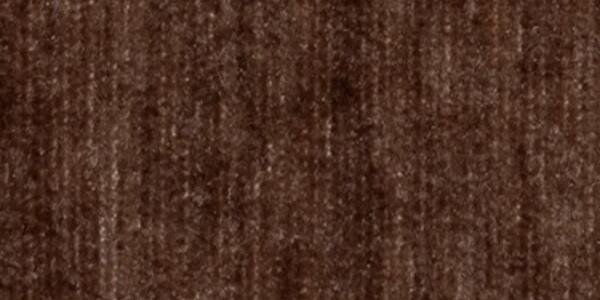
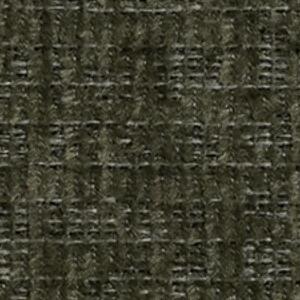
Honestly, chenille is criminally underrated for this job. Its pile creates natural friction against the cushion, so the cover stays put. It also hides crumbs and pet hair better than a smooth weave. Grey chenille upholstery fabric is a family favorite because it camouflages everyday dirt and pairs with almost any sofa color.
If your household includes cats, pick a flat weave instead. Claws snag loops and loose pile. A dense woven upholstery fabric resists snagging, and its tight structure makes seams easier to sew straight.
- Weight: Look for 10 to 16 oz per square yard. Lighter fabrics wrinkle and slide.
- Backing: A latex or woven backing adds stability and reduces seam fraying.
- Color: Match the sofa closely, or go for a deliberate contrast. Almost-matching looks like a mistake.
- Care: Check the cleaning code. "W" means water-based cleaning is safe, which is what you want for a washable cover.
Photo by J Williams on Unsplash
What Supplies Do You Need?
You need about 1 to 1.5 yards of fabric, a heavy-duty needle, and polyester thread. Everything else is probably already in your sewing kit.
- Upholstery fabric (1 to 1.5 yards for a standard 22 x 24 x 5 inch cushion)
- Size 16/100 or 18/110 denim or upholstery needle
- Bonded polyester thread (it resists UV and abrasion better than cotton)
- Fabric chalk, flexible measuring tape, and a long ruler
- Sharp shears or a rotary cutter
- Pins or sewing clips
- Optional: non-slip shelf liner for the underside
Pre-wash the fabric if the care label allows it. Cotton blends especially can shrink 3 to 5 percent, and you don't want a snug cover turning into a tight one after the first wash.
Step-by-Step Instructions
- Measure the cushion in three directions. Record the width, the depth (front to back), and the thickness. Measure at the widest points, not the sagging middle. Write the numbers down. You'll use them for every cut.
- Calculate your panels. You need a top panel (width x depth), a boxing strip (thickness x the full perimeter), and two back panels. Subtract 1/2 inch from the width and depth so the cover fits snugly. Add 1/2 inch seam allowance on every edge. For the back panels, each one equals the width by half the depth plus 3 inches, which gives you a 6 inch overlap.
- Cut the fabric. Mark with chalk on the wrong side and cut carefully. If you're using chenille, cut all pieces with the pile running the same direction, usually top to bottom. Mismatched pile direction makes panels look like different colors. Cut a single-layer top panel for a plain fabric. Cut a pattern placement carefully for stripes or large prints.
- Hem the back panels. On one long edge of each back panel, fold 1/2 inch twice and stitch. These finished edges form the envelope opening. Skipping this step leaves raw edges that fray fast.
- Join the boxing strip. Sew the short ends of the strip together with a 1/2 inch seam to form a loop. Press the seam open. Use a longer stitch length, about 3 to 3.5 mm, which grips thick fabric without puckering.
- Attach the top panel to the boxing strip. With right sides together, pin the strip around the top panel, matching corners. Clip the seam allowance at each corner, snipping nearly to the stitch line without cutting through it. Sew slowly. Corners are where covers usually fail, so go around them in two passes if the fabric is thick.
- Add the envelope back. Lay the two hemmed back panels on the open side of the boxing strip, right sides together, with the finished edges overlapping in the middle. Pin all the way around. Sew with a 1/2 inch seam, then reinforce the overlap ends with a short backstitch.
- Finish, turn, and test. Zigzag or serge the raw seam edges to stop fraying. Turn the cover right side out and push the corners out with a blunt tool. Squeeze the cushion into the cover, folding it like a taco if needed, and let it expand. A good fit looks slightly tight at first and relaxes within a day.
Fun fact: that overlapping envelope closure is the same trick used on pillow shams. It costs nothing, has no hardware to snap, and holds the cushion firmly.
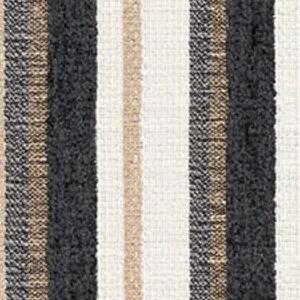
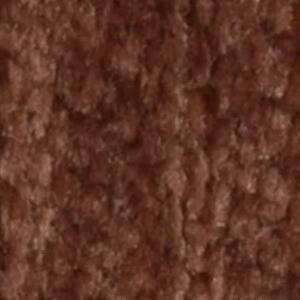
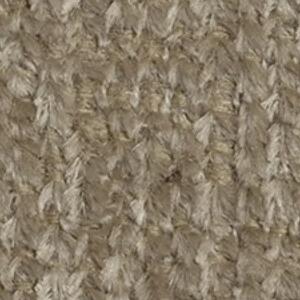
Ready to choose your fabric? Here are some tight-weave options that suit a cushion cover.
Shop Chenille Upholstery Fabrics
How Long Will a Homemade Cushion Cover Last?
A cover sewn from 15,000+ double rub fabric with bonded polyester thread typically outlasts a standard sofa's original cover. That's because the original seat fabric takes the same abuse as the rest of the sofa, while a replacement is chosen specifically for durability.
Three details decide longevity. The first is thread: polyester is stronger than cotton and doesn't rot from skin oils. The second is seam placement, since double-stitched corners resist the pulling force every time someone sits. The third is fabric choice. A solid color in a dense weave shows less wear than a lightweight fabric with a loose pile. If you like a clean look, browse solid upholstery fabrics that won't compete with your sofa's pattern.
Expect to wash a cover every two or three months in a busy household. Use cool water and a gentle cycle, then air dry or tumble on low. High heat can shrink the fabric and fade the dye.
Tips for a Better Fit and Easier Cleaning
- Test with scrap first. Sew a quick corner sample to check your stitch length and tension before cutting into the good fabric.
- Add grip. A thin piece of non-slip shelf liner under the cover stops creeping on leather or smooth microfiber sofas.
- Treat it for spills. A fabric protector spray (fluoropolymer-free versions exist) buys you time to blot a drink before it soaks in.
- Make two. Sew a backup in a different color. Swap them when one's in the wash, or change the look for the holidays.
- Watch your budget. Leftover yardage works for a cushion cover, so check the upholstery fabric sale for end-of-roll pieces. A single cushion needs far less than a full sofa.
- Keep fall hosting in mind. Dark, textured fabrics hide wine, gravy, and popcorn butter better than pale smooth ones.
Frequently Asked Questions
Q: How much fabric do I need for a sofa cushion slipcover?
Most standard sofa cushions need 1 to 1.5 yards of 54 inch wide upholstery fabric. Measure your cushion's width, depth, and thickness, then add 1/2 inch of seam allowance per edge. Oversized or deep-seat cushions can need up to 2 yards.
Q: What is the best fabric for a washable cushion cover?
Tight-weave chenille or a dense woven fabric with a 15,000+ double rub count is best. Choose one with a "W" cleaning code, pre-wash it before sewing, and sew it with polyester thread so the cover holds up through repeated cleaning.
Q: Is a slipcover cheaper than reupholstering a sofa?
Yes, usually by a wide margin. A single cushion slipcover costs only the price of about a yard of fabric plus thread, while professional reupholstery charges mainly for labor. A slipcover is the smarter fix when only one or two cushions are stained or worn and the sofa's frame and foam are still in good shape.