

A velvet Christmas tree skirt sewn from upholstery fabric is the one holiday project that gets better with age instead of worse. It's October, which is the sweet spot. You've got time to cut, sew, and fix mistakes before the December rush, and your fabric order won't get stuck in a holiday shipping pile. This guide covers yardage for 36", 48", and 56" skirts, how to cut the radius and overlap slit, how to deal with pile and raw edges, and how to build matching stockings that won't sag under a season of candy and small gifts.
Why Use Upholstery Velvet for a Christmas Tree Skirt?
Upholstery velvet makes a better tree skirt than apparel or craft velvet because it's built to be sat on, scraped, and cleaned for years. It has a dense woven backing, a stable pile, and enough weight to lie flat on the floor without curling at the edges.
Here's the durability argument in four parts:
- It lies flat. Lightweight velvet curls up at the hem and ripples around the tree stand. Upholstery weight stays put, even under a pile of presents.
- It handles tree water. Most upholstery velvet is polyester, and polyester absorbs only about 0.4% of its weight in moisture. A spill from the tree stand beads up long enough for you to blot it before it soaks in.
- It survives storage. A heavy, tightly woven backing resists the creases and crush marks that ruin thin velvet after eleven months in a bin.
- It carries weight. Gifts, stocking contents, and the occasional cat will not make it sag or stretch.
The numbers back this up. Residential upholstery is commonly rated around 15,000 double rubs on the Wyzenbeek test (one back-and-forth pass counts as one double rub), and performance velvets often go well past 30,000. A tree skirt sees a tiny fraction of that wear. As a rule of thumb, any fabric built for a family sofa will outlast a lifetime of holidays.
Photo by Michael Guertin on Unsplash
How Much Fabric Do You Need for a Tree Skirt?
For a standard 54" wide upholstery fabric, plan on 1 1/4 yards for a 36" skirt, 1 1/2 yards for a 48" skirt, and 3 yards for a 56" skirt. Double those numbers if you want a matching fabric lining instead of a cotton one.
- 36" diameter (18" radius): 1 1/4 yards. One full circle fits in a single piece with room for seam allowance.
- 48" diameter (24" radius): 1 1/2 yards. Still one piece, since the 49" cut width fits inside the 54" fabric width.
- 56" diameter (28" radius): 3 yards. The circle is wider than the fabric, so you cut two half circles and seam them. More on that trick below.
- Stockings: 1/2 yard makes two or three stockings, plus the same amount of lining.
Buy a little extra. Velvet shows every cutting mistake, and you'll want leftover fabric for hanging loops and a test seam. A good rule is that extra half yard is cheaper than a reorder. If you're watching the budget, check the upholstery fabric sale page for remnant-friendly cuts.
What Is the Best Velvet for a Christmas Tree Skirt?
The best velvet for a tree skirt is a polyester or poly-blend upholstery velvet with a dense, short pile and a rating of at least 15,000 double rubs. Short pile resists crushing, and polyester resists moisture and fading.
Classic red velvet upholstery fabric is the obvious pick, and honestly, it's hard to beat under a green tree. Forest green, deep navy, and even black velvet are having a moment, too, and green upholstery fabrics make a nice tone-on-tone look with a flocked tree. Cotton velvet looks rich but crushes more easily and stains faster, so skip it for a floor piece.
Check the cleaning code on the product page too. A "W" or "WS" code means water-based cleaners work, which is what you want for tree-water spills.
Step-by-Step Instructions
- Prep your fabric and supplies. Don't machine wash upholstery velvet, because it can distort the pile and backing. Just steam or brush it lightly. You'll need a walking foot, a 90/14 needle, polyester thread, and clips or pins. Also grab the lining (cotton duck or flannel), 3/4" sew-in Velcro or 3/4" grosgrain ribbon, and chalk or a washable marker.
- Mark the radius and cut the circle. Tape newspaper into a square slightly larger than your radius. Tie a string to chalk, pin the other end at the corner, and swing an arc at your radius (18", 24", or 28"). Cut the paper pattern, then cut the velvet on a single layer. Velvet slides against itself, so don't fold it to cut. For the 56" size, make two half-circle patterns and cut each piece 1/2" larger along the straight edge for the seam.
- Cut the center hole and the overlap slit. Mark a 4" circle at the center for the trunk, and cut it. Then cut a straight line from the hole to the outer edge. Add 1/2" seam allowance on both sides of the slit. For the 56" size, sew one half-circle seam as the back seam, and leave the other seam open as your slit. That's a neat shortcut, and it saves you cutting through finished fabric.
- Manage pile direction. Stroke the fabric with your hand. Smooth direction is the way the pile lies flat, and it will look lighter and shinier. Pick one direction, mark an arrow on the back with chalk, and keep it consistent on every piece. If your two half circles run in opposite directions, the color will look like two different fabrics in the light.
- Cut and attach the lining. Cut the lining the same size as the velvet. Place the pieces right sides together, clip the edges (pins leave holes), and sew around the outer edge, the center hole, and both sides of the slit with a 1/2" seam. Lengthen your stitch to 3.0 to 3.5 mm. Leave a 6" gap along one slit edge for turning.
- Turn, press, and finish the edges. Clip the curves, turn the skirt right side out through the gap, and ease the seams flat. Press from the lining side only with a pressing cloth, since steam and pressure crush pile. Topstitch 1/4" from the edge, or hand-stitch the gap closed with a ladder stitch. Bound edges also work. If you'd rather skip lining, finish raw edges with a serger or zigzag stitch and fold in a narrow hem, but expect more fraying with a loose weave.
- Add ties or Velcro. Sew three Velcro tabs, or three pairs of 8" grosgrain ties, evenly along the slit. Velcro is faster and kid-proof. Ties look classic. Either way, reinforce each attachment with a small box stitch so tugging doesn't rip it free.
- Cut the stocking pieces. For a 20" stocking, cut two velvet pieces and two lining pieces from your pattern, plus a 6" x 10" cuff. A heavy velvet already supports weight, but add fusible woven interfacing to the cuff for extra structure. Mirror the pattern so you get a left and a right piece.
- Sew the stocking and add the hanging loop. Cut a 1 1/2" x 8" velvet strip, fold it in half lengthwise, and stitch it into a tube. Fold into a loop, and baste it into the back seam at the top corner. Sew the stocking right sides together, then the lining separately, and join them at the top. Stitch an X inside a box over the loop for a reinforced hang. Turn, press from the lining side, and attach the cuff.
Photo by Oxana Melis on Unsplash
Lining and Backing: Which Choice Is Best?
Cotton duck or flannel is the best lining for a velvet tree skirt because it adds weight without bulk. Felt works for a no-fuss option, and a non-slip rug backing keeps the skirt from sliding on hardwood.
- Cotton duck: Stiff and durable, and it helps the skirt keep its circle shape.
- Flannel: Softer, easier to sew, and cozy under a pile of gifts.
- Matching velvet: Reversible and luxe, but heavy and more expensive.
- Felt: Budget friendly, but it can pill and doesn't take water as well.
Pro tip: if your tree sits on hardwood, add a strip of non-slip shelf liner under the skirt. It keeps everything in place when kids and pets cross it.
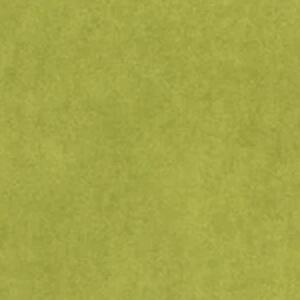
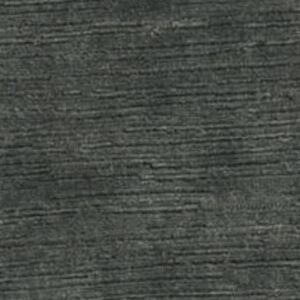
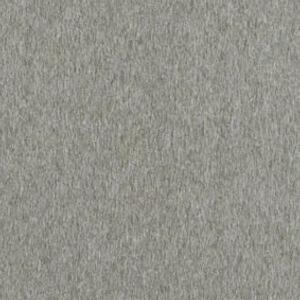
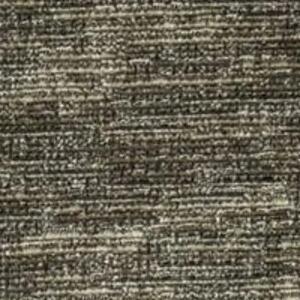
Ready to pick your color? Here are a few velvet upholstery fabrics that suit a tree skirt, from classic holiday reds to moodier jewel tones.
Shop Velvet Upholstery Fabrics
Tips for Sewing Heavy Velvet Without Frustration
- Use a walking foot. It feeds both layers evenly, so the top layer doesn't creep and pucker.
- Test on scraps. Sew a seam, press it, and check for needle marks. Velvet doesn't forgive stitches you rip out.
- Clip, don't pin, in the pile. Pins can leave permanent marks. Use clips, or pin only inside the seam allowance.
- Cut the circle in a clean, single layer. Sharp shears or a rotary cutter give you a crisp edge and keep the pile from shifting.
- Store it flat or rolled. Roll the skirt around a tube, pile side out, to avoid fold creases. Heavy fabric stores best when it isn't folded sharply.
- Clean spills fast. Blot with a clean cloth, then dab with mild soap and water. Never rub, since it can crush the pile.
Frequently Asked Questions
Q: How much fabric do I need for a velvet Christmas tree skirt?
For 54" wide upholstery velvet, you need about 1 1/4 yards for a 36" skirt, 1 1/2 yards for a 48" skirt, and 3 yards for a 56" skirt. Add the same amount again if you're lining with matching fabric.
Q: Can you use upholstery fabric for a tree skirt?
Yes, upholstery fabric is an excellent choice for a tree skirt. It's heavier and more durable than apparel fabric, so it lies flat, resists spills, and holds up to years of storage and use. Most upholstery velvets are rated for at least 15,000 double rubs.
Q: How do you stop velvet from fraying when sewing a tree skirt?
Line the skirt and sew right sides together, then turn it right side out so the raw edges are hidden inside. If you skip the lining, finish edges with a serger or zigzag stitch, or cover them with bias tape or grosgrain ribbon.