
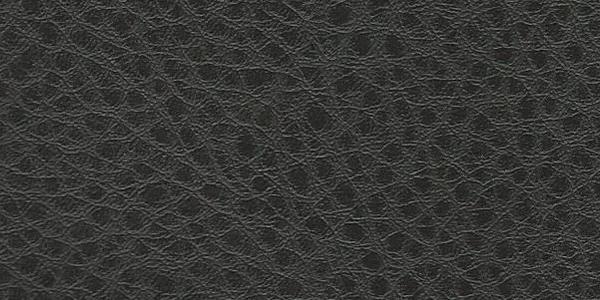
Leaves are blowing in, the rain boots are out, and your front hall is about to take a beating. A vinyl boot mat and bench seat pad set is the cheapest way to fight back. Upholstery vinyl has a waterproof surface, a solid fabric backing, and a wipe-clean finish, so mud, slush, and dog slobber come off with a damp cloth. It's also a beginner-friendly sew, since vinyl never frays. Grab your fabric on a Thursday and you'll have the whole set finished by Sunday.
Why Is Upholstery Vinyl Better Than Rubber Mats or Cotton?
Upholstery vinyl outlasts both because it combines a nonporous surface with a fabric backing and a high abrasion rating. Rubber mats crack and curl, and thin cotton soaks up water and stains.
Here's the number that matters: heavy-duty upholstery is generally rated at 15,000 double rubs or more on the Wyzenbeek test, and many upholstery vinyl fabrics are tested well past 100,000. A double rub is one back-and-forth pass of an abrasive cotton duck over the fabric. A standard cotton tote-bag canvas wears through long before that. Your bench gets sat on, kicked, and dragged across every day, so that gap shows up fast.
Vinyl also has no weave to trap grit. Dirt sits on top instead of working into fibers, which is why a quick wipe really does the job. Rubber mats do shed water, but they're stiff, they stain from boot dye, and they never match your decor. Vinyl comes in dozens of colors and textures, so the set can look like part of the room instead of a garage afterthought.
Honestly, vinyl is the most underrated mudroom fabric out there. It just doesn't get the credit it deserves.
What Do You Need to Sew a Vinyl Boot Mat and Bench Pad?
You need upholstery vinyl, bonded polyester thread, a heavy needle, and a few non-sewing helpers. Most of it is already in a sewing kit, and the rest is cheap.
- Upholstery vinyl: 54-inch wide, with a knit or woven backing.
- Thread: bonded polyester or bonded nylon, size 69 or heavier. It resists moisture and mildew better than cotton thread.
- Needles: size 16/100 or 18/110 leather or denim needles.
- Presser foot: a walking foot or Teflon foot, so the vinyl doesn't stick and drag.
- Clips: wonder clips or binder clips. Pins leave permanent holes.
- Non-slip underside: rubberized shelf liner, silicone grip fabric, or rug gripper mesh.
- Foam: 2-inch high-density foam, cut to your bench.
- Extras: rotary cutter, quilting ruler, double-sided basting tape, and two grommets or fabric loops for hanging.
How Much Vinyl Do You Need for the Set?
Plan on about 2 1/4 yards of 54-inch vinyl for one boot mat and one bench pad. That includes binding and a cushion of extra fabric for mistakes.
- Boot mat (36 x 18 inches): about 1/2 yard for the mat itself.
- Binding strips: 1/4 yard cut into 2-inch strips gives you roughly 18 feet, plenty for the mat edges.
- Bench pad (36 x 15 x 2 inches): about 1 1/4 yards for the top, bottom, and boxing strip.
- Buffer: add 10 to 15 percent. Vinyl can't be pieced invisibly, and one crooked cut eats fabric.
Measure your own space first. A long bench or a wide boot tray changes the math, so recalculate with your dimensions plus a 1/2-inch seam allowance on each side.
Photo by J Williams on Unsplash
Step-by-Step Instructions
- Measure and mark. Measure the boot tray or floor spot and the bench top. Mark the vinyl on the backing side with a fabric marker or chalk, never on the glossy face. Add 1/2 inch of seam allowance to the bench pad pieces. The mat gets no allowance if you're binding the edge.
- Cut with a rotary cutter. Use a ruler and a self-healing mat for straight lines. Cut one mat rectangle, two bench pad panels (top and bottom), and one long boxing strip as tall as your foam, plus seam allowance. Vinyl doesn't fray, so rough edges are fine, but clean cuts look better.
- Cut and attach the binding. Cut 2-inch strips across the width. Join them with a flat 1/4-inch seam, trimmed down, to make one long length. Skip bias cutting. Vinyl is stable, and straight strips wrap beautifully around curves with a little coaxing.
- Finish the mat edges. You have two choices. For a bound edge, clip the binding over the mat edge, fold it around, and topstitch through all layers with a 3.5 mm stitch. For a folded hem, fold 1 inch under, hold it with double-sided tape (don't iron vinyl, it can melt), and topstitch twice for strength. Bound edges look sharper and hold up better under boots.
- Add the non-slip underside. Cut rubberized liner to the finished mat size and baste it to the back with double-sided tape. Then stitch around the outer edge to lock it down. Silicone-dot grip fabric works too and stays flexible when it's cold. For a hard floor, go with the liner. For carpet, use rug gripper mesh.
- Sew the bench pad. Clip the boxing strip to the top panel, right sides together, and stitch with a 1/2-inch seam. Clip the corners so they turn cleanly. Attach the bottom panel the same way, but leave one long back edge open, about 3 inches shorter than the full length, for the foam.
- Insert the foam. Turn the cover right side out and fold the foam gently to slide it in. Wrap the foam in a thin layer of batting first, because it smooths the corners and helps the cover slip over easily.
- Close and finish. Fold the open edges under and stitch them closed with a ladder stitch, or topstitch the edge for a flat finish. Add grommets or fabric loops to one short end of the mat so you can hang it on a hook to drain and dry.
Test your tension on a scrap before you stitch the real thing. Vinyl punches permanent holes, so you can't unpick and try again.
Which Vinyl Colors Hide Mud and Salt Best?
Mid-tone browns, greys, and blacks hide mud best, while white salt residue shows more on dark colors. Pick based on your biggest mess.
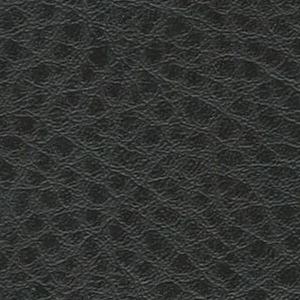
Black vinyl upholstery fabric hides boot scuffs and tire grime, though it shows pale salt rings, so you'll wipe more often. Brown upholstery fabrics blend with dirt and leaves and look warm against fall decor. A grey fabric sits in the middle, neutral and forgiving. Fun fact: a textured grain, like a faux leather or pebbled finish, hides small scratches better than a smooth, glossy one.
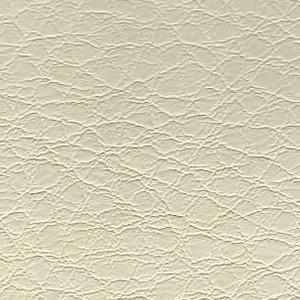
Here are a few vinyls that would suit a busy mudroom:
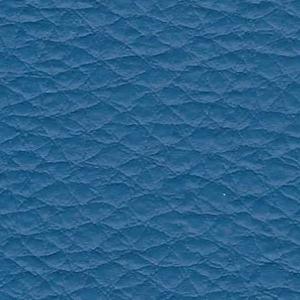
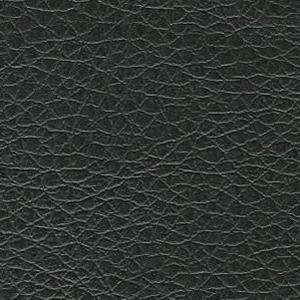
Watching your budget? The upholstery fabric sale is a smart place to find vinyl for a small project like this.
How Do You Clean Vinyl Boot Mats After Mud, Salt, and Wet Leaves?
Wipe vinyl with a damp cloth and mild soap, then dry it. For salt stains, use a 50/50 mix of white vinegar and warm water.
- Mud: let it dry, then brush off the crumbs and wipe. Wet mud smears into texture.
- Road salt: wipe the white residue off right away. Salt left on the surface dulls the finish over time and can stiffen the backing.
- Wet leaves: they can leave tannin stains on light vinyl. Lift them off daily and wipe with dish soap and water.
- Avoid: acetone, nail polish remover, and harsh solvents. They strip the protective top coat and make vinyl tacky.
- Dry the underside: hang the mat after a heavy rain so moisture doesn't build up under the grip layer.
Tips for a Longer-Lasting Set
- Sew slowly. A speed of two stitches per second helps the walking foot feed vinyl evenly.
- Use a longer stitch, 3 to 4 mm. Tight stitches perforate vinyl like a postage stamp and can tear along the line.
- Keep vinyl out of direct radiator heat. Heat can make it brittle over time.
- Rotate the bench pad every few weeks so wear stays even.
- Make a spare mat from your leftover vinyl. When one is drying, the other's on duty.
Frequently Asked Questions
Q: Can you sew upholstery vinyl on a regular home sewing machine?
Yes. Most home machines handle upholstery vinyl if you use a size 16 or 18 needle, bonded polyester thread, and a walking or Teflon foot. Stitch slowly and use clips instead of pins, since pins leave permanent holes.
Q: Is vinyl waterproof enough for a boot tray liner?
Yes. The vinyl surface is nonporous, so water, mud, and melted snow sit on top and wipe off. Water can still get in through stitch holes, so use a grip backing and hang the mat to dry after heavy use.
Q: How many double rubs should an entryway fabric have?
Look for at least 15,000 double rubs on the Wyzenbeek test for a heavily used entryway bench. Many upholstery vinyls are rated 30,000 to over 100,000, which is more than enough for daily boots, bags, and pets.