
You know the flimsy felt trick-or-treat bag. The handles stretch by house number six, and the seams give out before the end of the block. An upholstery fabric Halloween trick-or-treat bag fixes that, because it's made from the same cloth that survives sofas, kids, and dogs. This guide walks you through sewing a candy tote, a cape collar that won't fray, and a pair of faux leather cuffs from under one yard of fabric. This set is built to come out of storage next October looking exactly like it did this year.
Why Is Upholstery Fabric Better Than Craft Felt for a Halloween Bag?
Upholstery fabric is engineered to survive thousands of abrasion cycles, while craft felt and thin polyester costume fabric are made for one night of wear. That means handles that hold, surfaces that don't pill, and cut edges that stay put.
Here's the number that matters: the double rub count. In the Wyzenbeek abrasion test, a machine rubs cotton duck back and forth across the fabric, and each round trip counts as one double rub. Residential upholstery is generally considered suitable for general use at around 15,000 double rubs, heavy-duty at 30,000 or more, and commercial contract fabrics often exceed 50,000. The Martindale test, common in Europe, counts cycles instead, and 20,000 or more is considered heavy domestic use.
Craft felt is a pressed, non-woven sheet that rarely carries any rub rating at all, and it pills quickly under friction. Costume satin is thin and frays at every cut edge. Upholstery fabric is typically far heavier, often 10 ounces per square yard or more compared to a few ounces for costume cloth, and many styles have a latex or acrylic backing that locks the weave in place.
Rub count is the simplest durability number on any fabric spec. A candy bag is nothing but friction, with a few pounds of fun-size chocolate dragging on the handles all night.
Plus, it's budget-friendly in the way that counts. A felt bag you replace every year costs more over five Octobers than one upholstery set you keep.
Photo by Alex Plesovskich on Unsplash
Which Upholstery Fabric Is Best for Halloween Costume Accessories?
Velvet works best for the tote body and cape collar, and faux leather works best for handles and cuffs. Chenille is a soft, kid-friendly alternative for the tote body. All three are tightly constructed and come in heavy-duty ratings.
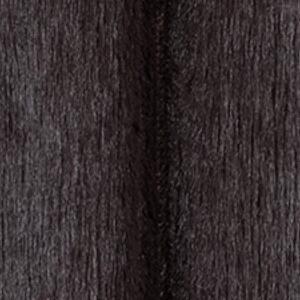
- Velvet. Velvet gets a bad rap as fussy, but modern upholstery velvet is usually polyester with a dense, short pile that's tougher than it looks. Black velvet upholstery fabric gives you instant gothic drama for the collar, and the deep color hides candy smudges. Very Wednesday Addams, very forgiving.
- Faux leather. It doesn't fray, so you can cut a strap and sew it with no edge finishing. It also wipes clean with a damp cloth, which matters when a sticky lollipop meets a handle.
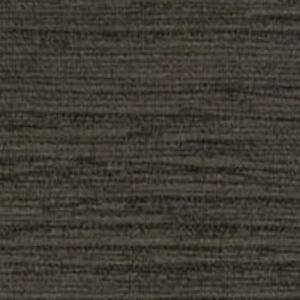
- Chenille. Honestly, chenille is criminally underrated. The chunky, twisted yarns hide wear, feel cozy in small hands, and resist snagging better than you'd expect.
What Do You Need to Sew an Upholstery Fabric Halloween Set?
You need about three-quarters of a yard of fabric total: 1/2 yard of velvet (or chenille) and 1/4 yard of faux leather, both at standard 54-inch width. That covers the tote, collar, and cuffs, with scraps left over.
For the handles and cuffs, pick a flexible faux leather upholstery fabric with a soft backing so it bends around wrists without cracking.
Supplies:
- Size 18/110 heavy-duty or leather needle
- Bonded polyester or nylon upholstery thread
- Walking foot or Teflon foot (strongly recommended)
- Wonder clips instead of pins, since pins leave permanent holes in faux leather
- Sew-on hook-and-loop tape, 1 inch wide, about 12 inches total
Cut list:
- Velvet: two tote panels, 13 inches wide by 14 inches tall
- Velvet: one 16-inch circle for the collar, with a 5-inch circle cut from the center for the neck
- Faux leather: two handle strips, 1.5 by 22 inches
- Faux leather: two cuffs, 4.5 by 9 inches
Photo by Annie Spratt on Unsplash
Step-by-Step Instructions
- Cut everything carefully. Lay velvet pieces face up in the same direction, because pile reflects light differently depending on which way it runs. Mark on the back, and cut single layers with a rotary cutter or sharp shears. Faux leather should be marked on the backing side.
- Finish the velvet edges. Zigzag or serge around the tote panels and the collar, including the neck circle. Upholstery weaves resist fraying, but a quick edge finish makes the set truly no-fray. Faux leather needs nothing.
- Make the handles. Fold each faux leather strip in half lengthwise with wrong sides together, clip, and topstitch 1/8 inch from both long edges. Doubling the strip makes a firm strap that won't curl or stretch under a heavy load.
- Sew the tote body. Place the panels right sides together and stitch the sides and bottom with a 1/2 inch seam and a long stitch length (3 to 3.5 mm). Press seams open with a pressing cloth, never directly on the pile. To box the corners, pinch each bottom corner flat, mark a line 4 inches wide, stitch across it, and trim the excess to 1/2 inch.
- Hem the top edge. Fold the raw top edge 1.5 inches to the inside, clip it, and topstitch twice, about 1/4 inch apart. The second row adds strength where the handles will pull.
- Attach the handles with a box-X stitch. Position each handle end 3 inches in from the side seams, overlapping the hem by 1.5 inches. Stitch a square, then sew an X through the middle. Fun fact: it's the same reinforcement used on backpack straps. Go slowly over the thick spots, and backstitch at the start and end.
- Finish the cape collar. Cut a straight slit from the neck hole to the outer edge at the back and zigzag along it. Sew a 1-inch piece of hook-and-loop tape on each side of the slit so it closes flat around the neck. For smaller kids, trim the neck hole slightly.
- Sew the faux leather cuffs. Round the corners with a coin or spool as a template. Topstitch around all edges 1/8 inch in, then sew hook-and-loop tape to each end so the cuff overlaps about an inch. If you add studs or rivets, skip them for toddlers, since small parts are a choking hazard.
- Do a stress test. Load the tote with a couple of pounds of books and lift it by the handles. If any stitch shifts, reinforce it now rather than at the third house.
Want to change the look? Build a witchy purple set, an all-black version, or a bold orange pumpkin tote. Check the upholstery fabric sale for budget-friendly options, since a project this size uses so little yardage. Here are some fabrics that would work well:
Shop Velvet Upholstery Fabrics
Tips for Storing and Reusing Your Set Every Year
- Clean before you store. Check the cleaning code: W means water-based cleaners, S means solvent only, WS means either, and X means vacuum only. Spot clean velvet gently, and wipe faux leather with a damp cloth and mild soap.
- Skip plastic bins. Trapped moisture breeds mildew. Use a breathable cotton bag or pillowcase, and stuff the tote with acid-free tissue so it holds its shape.
- Keep it out of hot attics. Heat and humidity can make polyurethane and vinyl faux leather sticky over time. A closet shelf is safer.
- Protect from pets. Dense velvet and faux leather shed pet hair easily, so a lint roller handles most of it. If your cat is a snagger, make the tote body from chenille upholstery fabric, which hides small pulls better.
- Refresh, don't replace. Add reflective tape, new trim, or a patch each year so the set feels new, and let kids pick the theme.
- Make it year-round. The tote doubles as a library bag, a toy carrier, or a cozy gift bag the other eleven months.
Frequently Asked Questions
Q: Can you sew upholstery fabric on a regular home sewing machine?
Yes, most home machines can sew upholstery fabric if you use an 18/110 needle, bonded upholstery thread, a longer stitch length, and ideally a walking foot. Sew slowly and use the handwheel over thick seams so you don't break a needle.
Q: What is a good double rub count for a trick-or-treat bag?
A double rub count of 15,000 or higher is plenty for a trick-or-treat bag, and 30,000 or more is considered heavy-duty. Most upholstery velvet, chenille, and faux leather is rated well above what a bag will ever face, so a set can last for years.
Q: How do you clean an upholstery fabric Halloween bag?
Check the fabric's cleaning code first. For most velvet and chenille, blot spills right away and spot clean with a mild soap and a damp cloth, or a dry-cleaning solvent if the code is S. Wipe faux leather with a damp cloth, and let everything air dry before storing it.