
An upholstery fabric hot water bottle cover is the cozy fall project that actually lasts. It's squeezed nightly, tossed on the couch, dragged around by the dog, and washed more often than you'd like to admit. Thin quilting cotton gives up after one season. Tightly woven chenille or velvet shrugs it off. Better still, you only need under half a yard, so this is a perfect use for that scrap you've been hoarding. The same pattern works for a heating pad cover and a rice warmer, and we'll cover sizing for all three.
Why Does Upholstery Fabric Beat Quilting Cotton for Warmer Covers?
Upholstery fabric lasts longer because it's engineered for abrasion, with dense weaves and heavier yarns that quilting cotton doesn't have. A hot water bottle cover takes the same kind of daily friction a sofa cushion does, just in a smaller package.
Quilting cotton typically weighs 3 to 4 ounces per square yard and has no pile to protect the weave. Upholstery chenille and velvet run roughly 10 to 18 ounces per square yard. The extra mass insulates your hands and skin from the heat, and the pile feels great against a cold nose. Honestly, chenille is criminally underrated for small projects. It's soft, forgiving to sew, and hides pet hair and wear better than flat weaves.
Here's the thing: a cover made from heavy fabric doesn't pill, thin out at the fold, or stretch out of shape. Family and pet households especially benefit, because covers like this survive the wash and the occasional tug-of-war.
Photo by Paige Cody on Unsplash
What Fabric Weight and Double Rub Count Should You Choose?
Choose a tightly woven fabric around 9 to 14 ounces per square yard with a double rub count of at least 15,000. That rating covers heavy residential use, which is more than enough for a cover.
A double rub is one back-and-forth pass of a machine in the Wyzenbeek abrasion test (ASTM D4157). Heavy-duty residential upholstery starts around 15,000 double rubs, and commercial grades go past 30,000. If a listing uses the Martindale test instead, look for 20,000 cycles or more. Either number tells you the fabric will outlast several rounds of squeezing and washing.
Weight matters too. Fabric heavier than about 14 ounces gets hard to turn at the corners and bulky at the overlap. Medium-weight chenille is the sweet spot. Browse grey chenille upholstery fabric for neutral options that hide dirt, or try a dense woven upholstery fabric if you want a flatter, tidier surface.
- Weave density: Hold the fabric to a window. If you can see light through it, the weave is too loose for a heat cover.
- Backing: Skip fabrics with heavy latex or foam backing. They stiffen the cover and trap heat.
- Fiber content: Cotton, polyester, and blends are the safe picks for warm items.
Which Fabrics Should You Avoid Near Direct Heat?
Avoid vinyl and faux leather for any warmer cover. Both are plastic-coated fabrics, typically PVC or polyurethane, and they can soften, get sticky, crack, or give off a chemical smell when warmed.
These materials are fantastic on dining chairs and booth seating, but a hot water bottle puts concentrated heat directly against the surface. Plastic coatings don't breathe, so heat and moisture build up underneath. Fabric with a plastic topcoat or a foam laminate has no business near a heating pad either. Stick with woven textile fibers. Chenille, velvet, and plain wovens all breathe and release heat gently.
One more safety rule from the sewing room: never microwave a cover with metal zippers, snaps, or decorative hardware. That's another reason the envelope closure below is the smart choice.
How Big Should the Cover Be?
Cut each front panel 2 inches larger than your item in both directions. That adds 1 inch of ease so the item slides in, and 1 inch for two half-inch seam allowances.
Here are common sizes, with cut dimensions for the front panel (width by height):
- Standard 2-liter hot water bottle (about 7.5 by 13 inches): cut the front 9.5 by 15 inches.
- Standard heating pad (about 12 by 15 inches): cut the front 14 by 17 inches.
- Rice neck warmer (about 6 by 20 inches): cut the front 8 by 22 inches.
For the two envelope back panels, keep the same width as the front. Make each panel half the front height plus 2 inches. That gives a 4-inch overlap, which is enough to keep the item from poking out. For the heating pad, that's two backs at 14 by 10.5 inches. Even the heating pad set totals well under half a yard of 54-inch-wide fabric.
Hot water bottle note: place the overlap at the neck end of the cover, so the neck pokes out through the opening.
Photo by Alexander Andrews on Unsplash
Step-by-Step Instructions
- Prep your fabric. Check the care label or ask the seller about washing. Many chenille and velvet fabrics should be washed cold and air-dried or tumbled on low. Pre-wash a test swatch so you know how it behaves before you cut the real thing.
- Measure your item. Lay the bottle, pad, or rice bag flat and measure the widest and longest points. Hot water bottles swell when filled, so measure when it's about two-thirds full.
- Cut one front and two back panels. Use the sizing above. Mark the nap direction on the wrong side with chalk, and make sure every panel runs the same way. Velvet especially looks like three different colors if the pile runs in different directions.
- Finish the raw edges. Chenille sheds and frays enthusiastically. Zigzag or serge all edges of all three panels before you do anything else. This one step prevents most of the "why is my cover falling apart" problems.
- Hem the overlap edges. On each back panel, fold one long raw edge under 1 inch, press with a pressing cloth, and topstitch 3/4 inch from the fold. These two hemmed edges form the envelope opening, so no zipper is needed to snag or break.
- Layer the panels. Place the front panel right side up. Lay one back panel on top, right side down, with the hem toward the center. Add the second back panel the same way, overlapping the first by 4 inches. Pin generously.
- Sew the perimeter. Use a 90/14 or 100/16 needle, polyester thread, and a stitch length of about 3 mm. Sew around all four sides with a half-inch seam allowance. Backstitch at the start and end.
- Reinforce the stress points. Stitch a second line 1/8 inch inside the first at each corner and at both ends of the overlap, where the cover gets tugged hardest. A small bar tack (a tight zigzag block) at the overlap ends works even better.
- Trim, turn, and test. Clip corners at an angle, turn the cover right side out, and poke out the corners gently. Press lightly from the back, then slide your item in and check the fit.
Which Chenille or Velvet Works Best for Cozy Covers?
Dense, medium-weight chenille is the best all-around pick, and tightly woven velvet is a close second. Both feel soft, resist abrasion, and stand up to repeated washing.
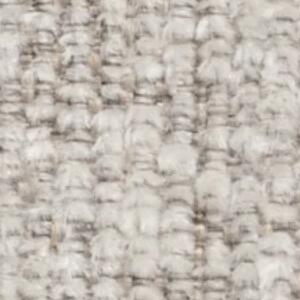
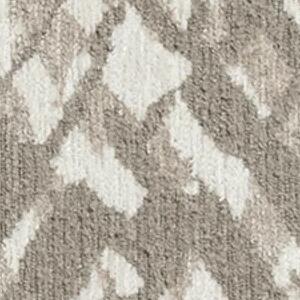
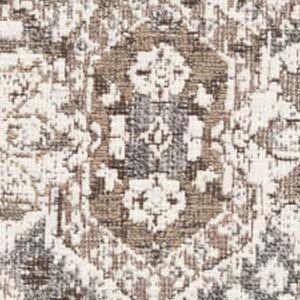
Neutral chenille looks right in any fall room. A cream chenille upholstery fabric gives you that soft, textured look that's so popular right now, while darker colors hide spills and pet hair. If you want a dressier cover, velvet upholstery fabrics bring a rich sheen that photographs beautifully on a gift. Here are some chenille options to look at:
Shop Chenille Upholstery Fabrics
Tips for Making Your Cover Last
- Use hot, not boiling, water. Boiling water can damage rubber bottles, and the cover only protects you from heat that's already reasonable.
- Remove the cover before microwaving a rice warmer. Heat the inner cotton bag by itself, then slide it into the cover. That keeps the cover's fibers and thread from taking the heat.
- Check your heating pad's manual. Electric pads vary. Some can't be covered while running, because a thick cover traps heat. Use the cover only if the manufacturer allows it.
- Make a spare. With under half a yard per cover, a second one costs very little. Rotate them so one is always clean.
- Wash gently. Zip nothing, bleach nothing, and air-dry or tumble on low. Skip the iron on pile and press from the back.
- Brush the pile. A soft brush or lint roller revives crushed chenille and clears pet hair in seconds.
Fun fact: a well-made upholstery fabric cover often outlives the bottle inside it. Not bad for scrap.
Frequently Asked Questions
Q: What is the best fabric for a hot water bottle cover?
The best fabric is tightly woven chenille or velvet upholstery fabric with a double rub count of 15,000 or higher. It's durable, soft, breathable, and washes well, while thin quilting cotton wears out much faster and vinyl or faux leather shouldn't be used near heat.
Q: How much upholstery fabric do I need for a heating pad or hot water bottle cover?
You need less than half a yard. A standard 12 by 15 inch heating pad cover needs one 14 by 17 inch front panel and two 14 by 10.5 inch back panels, which fits easily in an 18 by 54 inch cut.
Q: Can I use a faux leather or vinyl cover on a hot water bottle?
No, it's best to avoid it. Vinyl and faux leather have plastic coatings that can soften, become sticky, crack, or release odors when heated. Use a breathable woven fabric like chenille, velvet, or a dense woven upholstery fabric instead.