
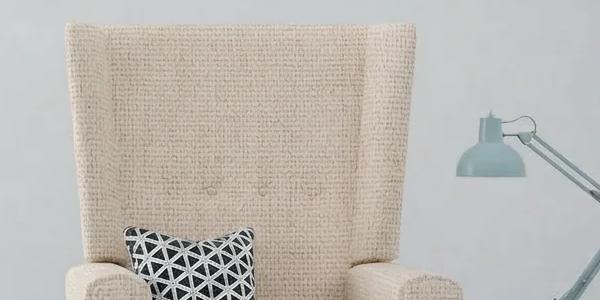
Fall means football, and football means people crowding into your garage or game room with snacks in hand. A cornhole set keeps everyone busy between kickoff and halftime. Store-bought bags tend to burst, so this year, sew your own cornhole bags from upholstery fabric. A set built from a tight woven or vinyl will outlast the boards it's tossed on, and you'll need less than a yard to make all eight. This project is made for indoor use: the garage, basement, or game room.
Why Use Upholstery Fabric for Cornhole Bags?
Upholstery fabric resists seam splitting, scuffing, and moisture better than standard canvas or duck cloth because it's engineered for abrasion and tension. A bag gets slammed, slid, and squeezed, which is roughly what a sofa cushion goes through every day.
Here's the numbers side. Upholstery fabrics are tested for abrasion using the Wyzenbeek method, which counts "double rubs" (one back-and-forth pass of an abrasive cloth). Fabric rated at 15,000 double rubs is considered commercial grade, and 30,000 or more is classed as heavy duty. Many vinyls and tight wovens go well past that. Duck cloth is usually sold by weight, not abrasion rating, and it's a cotton that soaks up spills and can mildew in a damp garage.
Also, upholstery weaves are denser, and many have a latex or acrylic backing that stabilizes the fabric. That means less fraying at the seam and less stretch under the weight of the filling. A bag is only as strong as its weakest seam, and a dense, backed fabric holds a stitch line far longer than a loose cotton weave.
For families with kids and pets, there's one more perk. Smooth wovens and vinyl wipe clean with a damp cloth and mild soap, and pet hair brushes right off. Your dog's slobbery tennis ball tournament won't leave a permanent mark.
What Fabric Slides Best on a Cornhole Board?
A tightly woven, medium-weight upholstery fabric with a smooth face slides best, and vinyl is the fastest option. Pile fabrics like chenille slow a bag down, which makes them handy for a "stick" side.
Think about the board surface first. Most boards are sealed plywood, so friction is low. Here's how common upholstery types behave:
- Flat woven (tight, smooth): A reliable all-rounder. It slides steadily and doesn't snag. Check out woven upholstery fabrics and look for a flat, dense hand with no raised loops.
- Vinyl and faux leather: The fastest slide and the easiest to wipe clean. On a humid day, vinyl can get a little tacky against a glossy board, so test it. Browse faux leather upholstery fabrics for options with a matte finish.
- Chenille or corduroy: The pile grips the board. Use it for a deliberately slow side, or skip it if you want every toss to carry.
- Loopy boucle: Pretty, but the loops snag on board edges and splinters. Save it for the sofa.
Weight matters too. Aim for roughly 10 to 18 ounces per square yard. Lighter fabrics feel flimsy and can pucker, and anything much heavier is hard to turn and produces bulky corners on such a small bag. Consistency is key. Use the same weight for both teams so the bags play the same.
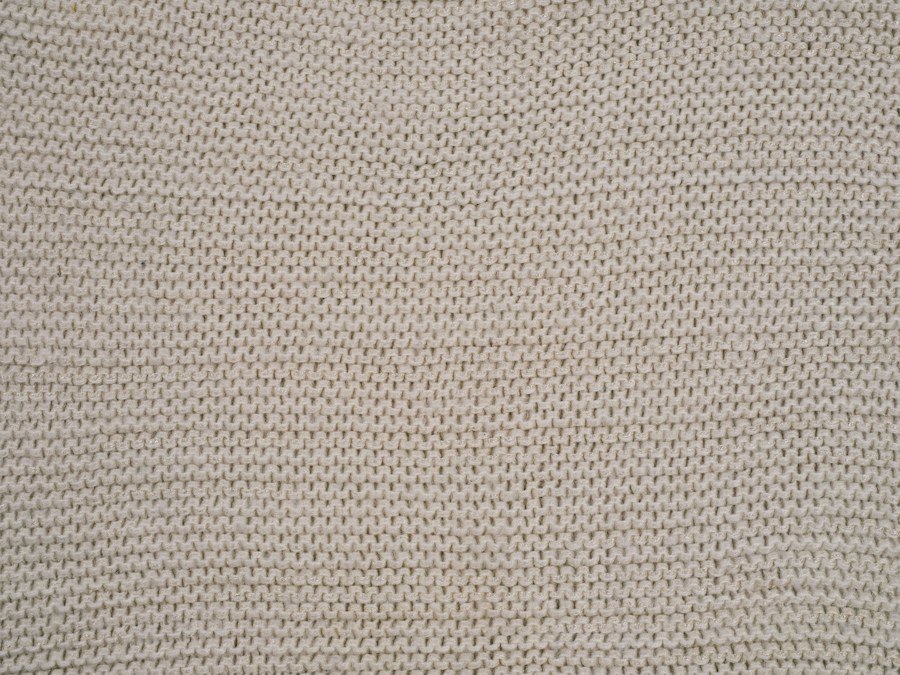
Photo by engin akyurt on Unsplash
How Much Fabric Do You Need for Eight Cornhole Bags?
One yard of 54-inch-wide upholstery fabric is more than enough for a full set of eight bags. A regulation bag is 6x6 inches finished and weighs 15 to 16 ounces, and a full set is eight bags, four per team.
Here's the math. With a 1/2-inch seam allowance, cut each face as a 7x7-inch square. Each bag needs two faces, so a set needs 16 squares. A 54-inch width fits seven squares across (49 inches), and a 36-inch length fits five rows (35 inches). That's 35 squares from a single yard, with a bunch left over for practice bags or coasters.
If you want contrasting team colors, you don't need a full yard of each. Half a yard (18 inches) gives you two rows of seven squares, or 14 squares, and you need only eight per color. On 45-inch fabric you still get six across, so 12 squares from half a yard. Buy a half yard of each, or one yard of your main color plus a half yard of the accent.
Pro move: Buy about 25 percent extra if you're new to sewing. It covers a cutting mistake or a test bag for dialing in your thread tension.
What You'll Need
- Upholstery fabric, as calculated above
- Heavy-duty bonded polyester or nylon thread (regular cotton thread is the first thing to give out)
- Size 100/16 or 110/18 denim or upholstery needle
- Rotary cutter, mat, and a 7-inch square template (cardboard works)
- Sewing clips (use these instead of pins for vinyl, since pins leave permanent holes)
- Filling: about 8 pounds total, plus a funnel and a kitchen scale
- Walking foot or Teflon foot for vinyl and faux leather
Step-by-Step Instructions
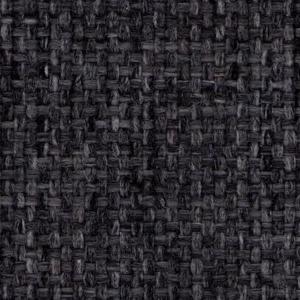
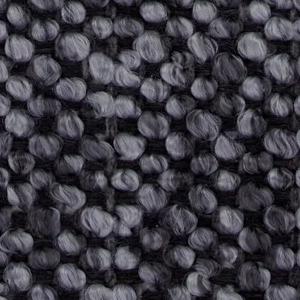
- Cut 16 squares at 7x7 inches. Trace around your template and cut with a rotary cutter. For a contrasting pair of faces, cut eight squares in grey woven upholstery fabric for one team and eight in a second color, such as blue woven upholstery fabric, for the other. Keep the grain straight so the bags stay square.
- Finish the raw edges. Woven fabrics fray, so zigzag stitch around each square or dab the edges with fray sealant. Vinyl and faux leather don't fray, so skip this step.
- Pair the faces and clip them. Place two squares right sides together. For two-sided bags, pair a team-color face with a contrasting back so players can tell which side is up. Clip all four sides.
- Sew the first seam. Stitch around the square with a 1/2-inch seam allowance and a stitch length of 3 to 3.5 mm. Leave a 2-inch gap along one side for filling. Backstitch at each end of the gap, and pivot at the corners with the needle down.
- Add the second row of stitching. Sew another line 1/4 inch inside the first, within the seam allowance. This double stitch is what stops split seams. Add a few extra stitches across each corner, where stress is highest.
- Trim and turn. Snip the corners diagonally (not through the stitching), turn the bag right side out, and push the corners square with a chopstick. Press woven fabric on medium heat. Don't iron vinyl directly.
- Fill each bag to 15 to 16 ounces. Use a funnel and weigh each bag on a kitchen scale. A properly filled bag will be about three-quarters full and feel flexible, not rock-hard.
- Close the opening. Fold the raw edges in, clip, and topstitch the gap twice, close to the edge. Then weigh and toss each bag on a board. Adjust any that feel off by more than half an ounce.
What's the Best Filling for Cornhole Bags?
Plastic poly pellets are the best all-around filling for indoor cornhole bags because they're moisture-proof, quiet, and won't attract pests. Whole-kernel corn is the traditional choice, but it can draw mice in a garage and goes musty if it gets damp.
- Poly pellets: Consistent weight, washable, and easy to pour. Best choice for most homeowners.
- Dried feed corn: Authentic feel and sound. Store the bags in a sealed bin to keep rodents and moisture away.
- Dried beans or rice: Budget-friendly, but they can swell if they get wet and break down over time.
Whatever you pick, weigh it. A bag that's a few ounces heavy or light will fly differently, and everyone will notice.
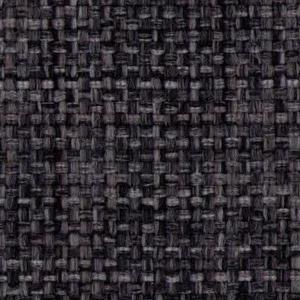
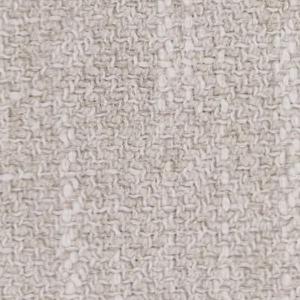
Ready to pick your team colors? Here are a few wovens and faux leathers that would work well for a set.
Tips for Bags That Last
- Test a scrap first. Sew two test squares to check your tension and stitch length before cutting everything.
- Go slow on corners. Slow, even stitching at the corners prevents skipped stitches in thick layers.
- Clean as you go. Wipe vinyl with a damp cloth and mild soap. For woven fabric, spot clean with a mild detergent and let it air dry.
- Mind the pets. Pets love chewing on corn-filled bags. Store the set in a lidded bin between games.
- Save money. Check the upholstery fabric sale for remnants and discounted yardage. A half yard is plenty.
Sew all eight and you'll have a set that looks sharp on game day and holds together long after the playoffs wrap up. No split seams, no excuses for a bad toss.
Frequently Asked Questions
Q: What size should cornhole bags be?
Regulation cornhole bags are 6 inches by 6 inches and weigh 15 to 16 ounces. To sew them, cut two 7x7-inch squares per bag for a 1/2-inch seam allowance, and use four bags per team for a full set of eight.
Q: How much fabric do I need for a set of cornhole bags?
One yard of 54-inch-wide fabric makes a full set of eight bags with plenty left over. You need 16 squares at 7x7 inches, and one yard yields about 35. For two team colors, a half yard of each is enough.
Q: Is upholstery fabric better than duck cloth for cornhole bags?
Yes, for durability. Upholstery fabric is tested for abrasion, with heavy-duty ratings of 30,000 or more double rubs, and it resists moisture and seam splitting better than duck cloth. Tight wovens and vinyl also wipe clean easily, which helps in homes with kids and pets.