
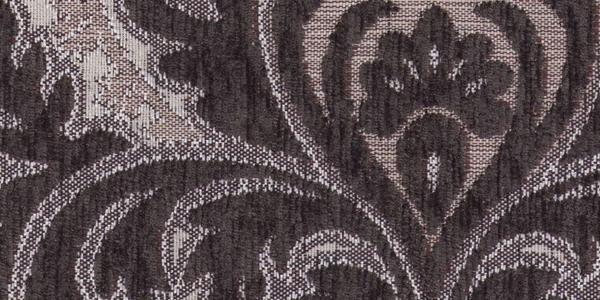
Fall is when the reading nook earns its keep. You want a blanket, a mug, and a window seat cushion that doesn't flatten, fade, or fray by February. The secret to heavy-duty cushion covers is simple: sew them from real upholstery fabric, not craft-store cotton. This guide covers measuring a custom nook, cutting and sewing a piped box-cushion cover with a hidden zipper, and picking a fabric that holds up to daily sitting, pets, and kids.
Why Does Upholstery Fabric Outlast Quilting Cotton?
Upholstery fabric outlasts quilting cotton because it's woven thicker, with tighter, heavier yarns, and it's tested for abrasion. Quilting cotton is made for quilts and garments. It isn't built to be sat on every day.
Here's the thing: a window seat is the hardest-working spot in a room. It takes more sitting hours than most dining chairs, plus sun, plus a dog who thinks it's his. Thin cotton stretches at the seams, pills, and fades. A good chenille or woven holds its shape because the yarns are dense and the weave is stable.
Honestly, chenille is criminally underrated for this job. Its soft, plush hand feels like a sweater, and its tightly spun construction makes it surprisingly tough. Think of it as the flannel shirt of upholstery: cozy, but it can take a beating.

Photo by Sergei Nikulin on Unsplash
What Double Rub Count Does a Window Seat Cushion Need?
Aim for at least 15,000 double rubs on the Wyzenbeek test, and 30,000 or more if kids or pets use the seat daily. A double rub is one back-and-forth pass of an abrasive cloth over the fabric, and the count is how many passes it takes before visible wear appears.
Here are the numbers worth knowing:
- 15,000 double rubs: the commonly cited threshold for heavy-duty residential upholstery.
- 30,000+ double rubs: commercial-grade territory, ideal for family seating and pet-heavy homes.
- Martindale test: the European equivalent. Look for 20,000 cycles or more for a cushion that sees daily use.
A fabric's fiber matters too. Solution-dyed acrylic, where the color is added to the fiber before it's spun, resists sun fading far better than piece-dyed fabrics, which is useful if your nook faces a sunny window. Polyester chenille resists abrasion and pilling well. A tight weave helps with pets, since claws catch on loose loops and open weaves.
Also check the cleaning code. "W" means water-based cleaners are fine, "S" means solvent only, "W/S" allows either, and "X" means vacuum only. For a family seat, W or W/S saves you real stress.
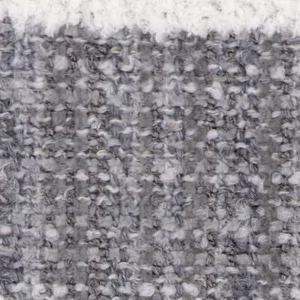
For plush, cozy texture, grey chenille upholstery fabric hides pet hair and daily wear well. If you prefer a flatter, crisper look, woven upholstery fabrics give you a dense, stable surface that's easy to sew with.
How Much Fabric Do You Need for Heavy-Duty Cushion Covers?
A 48 x 20 x 3 inch box cushion cover with piping typically takes 2 to 2.5 yards of 54-inch-wide fabric. Add 15 to 25 percent more if the fabric has a stripe, a large pattern repeat, or a directional pile.
Here's how that math works. You need a top panel and a bottom panel, each cut to the cushion's length and width plus a half-inch seam allowance on every side. For the example cushion, that's two 49 x 21 inch pieces. Cut them lengthwise side by side, and they use about 1.4 yards of a 54-inch bolt. The leftover 12-inch strip beside them is perfect for the 4-inch boxing strips, which wrap the sides. Piping needs about three-quarters of a yard more, because bias strips (cut at a 45-degree angle so they curve around corners) use fabric quickly.
A few pattern placement rules save headaches:
- Center the design. Position the most prominent motif in the middle of the top panel, not off to one side.
- Match the direction. Chenille and velvet have a nap, so cut every piece with the pile running the same way, usually downward.
- Skip the matching game. Odd corners and angles make pattern matching painful. A solid upholstery fabric forgives mistakes and needs far less yardage.
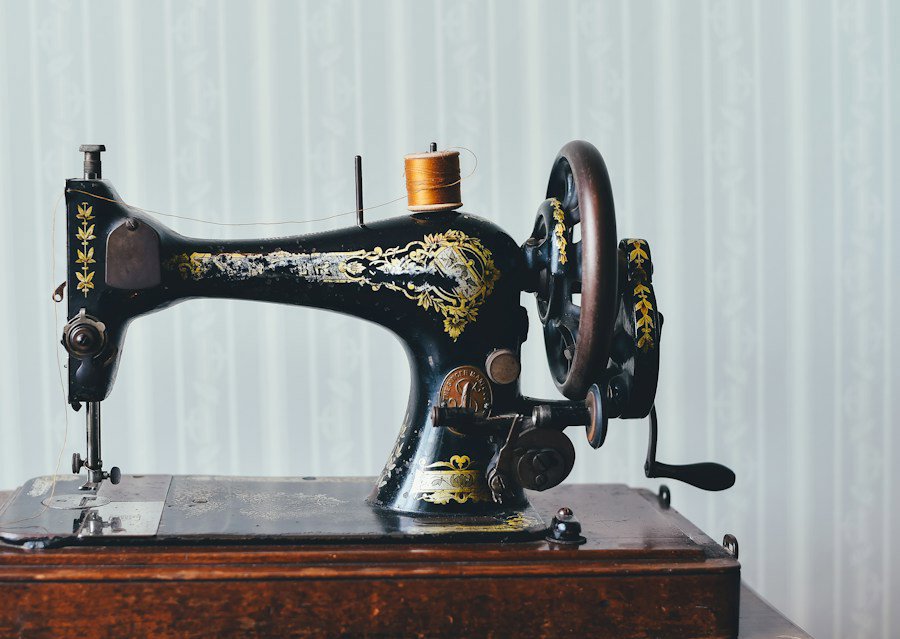
Photo by Annie Spratt on Unsplash
Step-by-Step Instructions
- Measure the nook in three places. Measure the width and depth at the front, middle, and back of the seat. Walls are almost never square, and the smallest measurement wins. Write down the thickness you want too. Three to four inches is comfortable for reading.
- Get your foam and wrap it. Buy high-density polyurethane foam cut to your measurements, and wrap it in a layer of polyester batting. The batting smooths the edges and helps the cover slide on. Cut the cover panels to match the foam size so the cushion fits snug and full.
- Cut your fabric pieces. You need a top, a bottom, and boxing strips for the sides. Use a rotary cutter and a heavy straightedge, and add a half-inch seam allowance everywhere. Cut the back boxing strip in half lengthwise for the zipper. Label every piece with chalk on the wrong side.
- Make the piping. Cut 2-inch bias strips, join them end to end, then wrap them around 5/32-inch piping cord. Stitch close to the cord using a zipper foot. For thick fabric, a slightly thinner cord keeps the corners from getting bulky.
- Baste piping to the top and bottom panels. Line up the raw edges, clip the seam allowance at the corners so the piping curves smoothly, and stitch along the original line. Slow down at the corners. Hand-turn the wheel if you have to.
- Sew the hidden zipper. Sew the two halves of the back boxing strip together with a long basting stitch, press the seam open, and center the zipper face-down over it. Stitch the zipper in, then remove the basting. Use a zipper about 6 inches shorter than the back edge. Better yet, use a longer one so the zipper wraps around both back corners. The cushion will slip in much easier.
- Join the boxing strips into a loop. Sew the strip ends together with half-inch seams, press them open, and check that the loop matches the perimeter of your top panel.
- Attach the boxing strip to the top panel. Pin right sides together, keeping the piping sandwiched between, and stitch just inside the piping stitches. Do the same with the bottom panel. Always leave the zipper open before you sew the second side. Otherwise you can't turn the cover right side out.
- Trim, turn, and test the fit. Trim the corners at an angle, turn the cover right side out, and tug the foam inside. If it's tight, that's good. Fabric relaxes with use, and a snug cover keeps the cushion looking tailored.
How Do You Fit Angled Corners and Bay Window Seats?
Make a paper template of the exact shape of the nook, then cut your fabric from that template instead of from measurements. This is the single best trick for custom-fit window seat cushion covers.
Tape kraft paper or cardboard to the seat, trace the outline against the walls, and trim until it sits flat. Mark the front edge and label the template "up." For angled corners, build the boxing strip in segments, with a seam at each corner so the piping can follow the angle. Don't try to bend one long strip around a 45-degree turn. It won't lie flat.
Bay window seats are best split into two or three separate cushions. A single big cushion is awkward to lift out and clean, and the angled joints take more stress. Three separate pieces are easier to sew, easier to wash, and easier to rotate for even wear. For built-in benches with walls that aren't square, trim the template a quarter inch smaller on the wall sides so you can wiggle the cushion in and out.
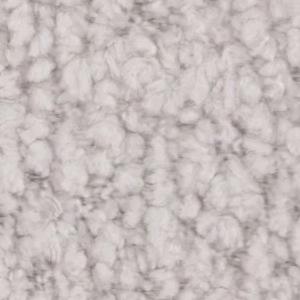
Fall is a good time to lean into earthy colors. Rust, olive, and chocolate tones look right at home next to a window full of turning leaves. Brown chenille upholstery fabric hides spills and pet fur, and it brings that warm, lived-in look to the nook.
Ready to pick your fabric? Here are some chenille and woven options with the weight and durability these covers need.
Tips for Sewing Thick Upholstery Fabric
- Use the right needle. Load a size 100/16 or 110/18 denim or upholstery needle. Standard needles will skip stitches or snap. Change it every project.
- Choose strong thread. Bonded nylon or polyester thread in size 69 (also called T70) won't rot or break under daily sitting. Cotton thread weakens over time.
- Lengthen your stitch. Set it to 3 to 4 mm. Short stitches perforate thick fabric and weaken the seam.
- Use a walking foot. It feeds the top and bottom layers evenly so the fabric doesn't creep, which matters most with plush chenille and velvet.
- Clip clips, skip pins. Wonder clips hold thick layers without leaving holes or distorting the pile.
- Reduce bulk at corners. Trim seam allowances and clip the piping tails so the corners lie flat.
- Test first. Sew a scrap sandwich of fabric, piping, and zipper tape before you commit to the real thing.
- Keep it clean. Vacuum weekly with an upholstery attachment, and spot-treat spills right away, following the fabric's cleaning code.
Frequently Asked Questions
Q: What is the best fabric for a window seat cushion?
Upholstery-weight chenille or tightly woven polyester is the best choice for a window seat cushion. Look for a fabric with at least 15,000 double rubs, or 30,000 if kids and pets use the seat daily, plus a W or W/S cleaning code.
Q: Can you sew upholstery fabric on a regular home sewing machine?
Yes, most home machines can sew medium-weight upholstery fabric. Use a 100/16 or 110/18 needle, bonded nylon or polyester thread, a walking foot, and a longer stitch length of 3 to 4 mm. Sew slowly through thick seams and corners.
Q: How much fabric do I need for a window seat cushion cover?
A 48 x 20 x 3 inch box cushion cover with piping usually needs 2 to 2.5 yards of 54-inch-wide upholstery fabric. Add 15 to 25 percent more for striped, patterned, or directional-pile fabrics so you can center and match the design.